Hidden Small Caribbean Islands to Add to Your Bucket List
- Published on
- Author
- Reading time
- 11 mins
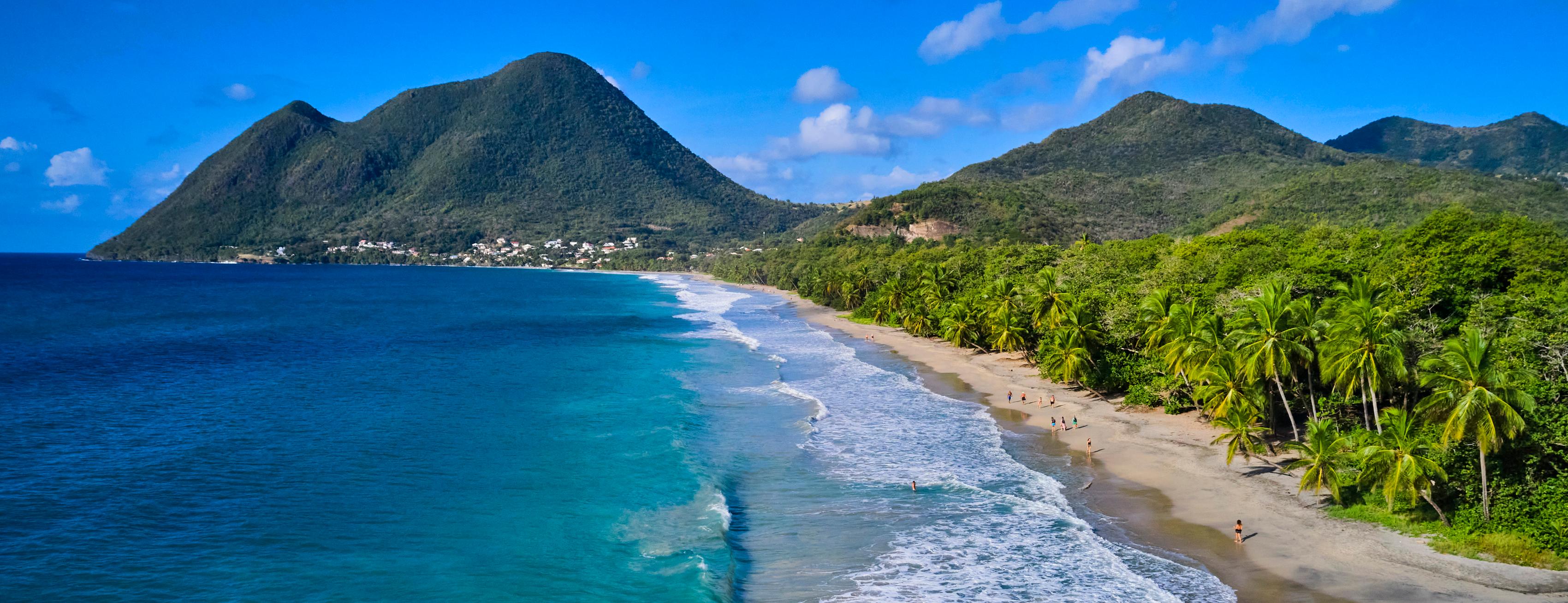
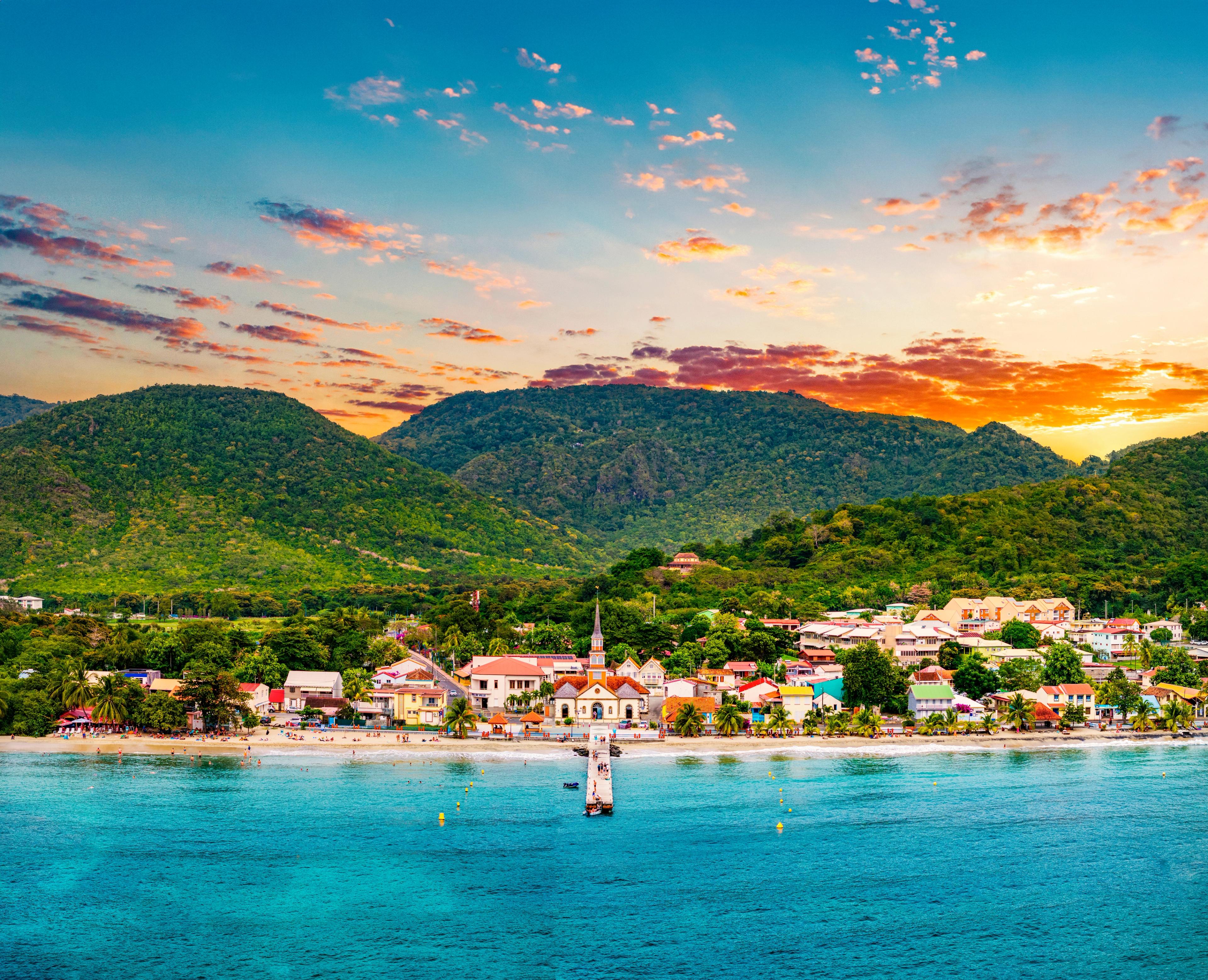
When it comes to cruising the Caribbean, bigger is not always better. When we talk about small islands in the Caribbean, we don’t just mean in size, but also in population, where you can enjoy a more authentic experience with deeper connections to the local culture. These hidden treasures also allow guests to get away from the crowds and immerse themselves in the natural beauty of pristine beaches, hidden coves, and lush rainforests.
Paradise from a new point of view
Relaxation takes many forms in the tropics—set sail for the sun on an all-inclusive Caribbean cruise.

Lesser-known Caribbean islands take you off the beaten path
Choosing to visit smaller Caribbean islands offers a variety of unique experiences, but how does one decide which ones to visit? Here are some that combine exceptional experiences in nature, along with opportunities for meaningful encounters with locals.
Bequia
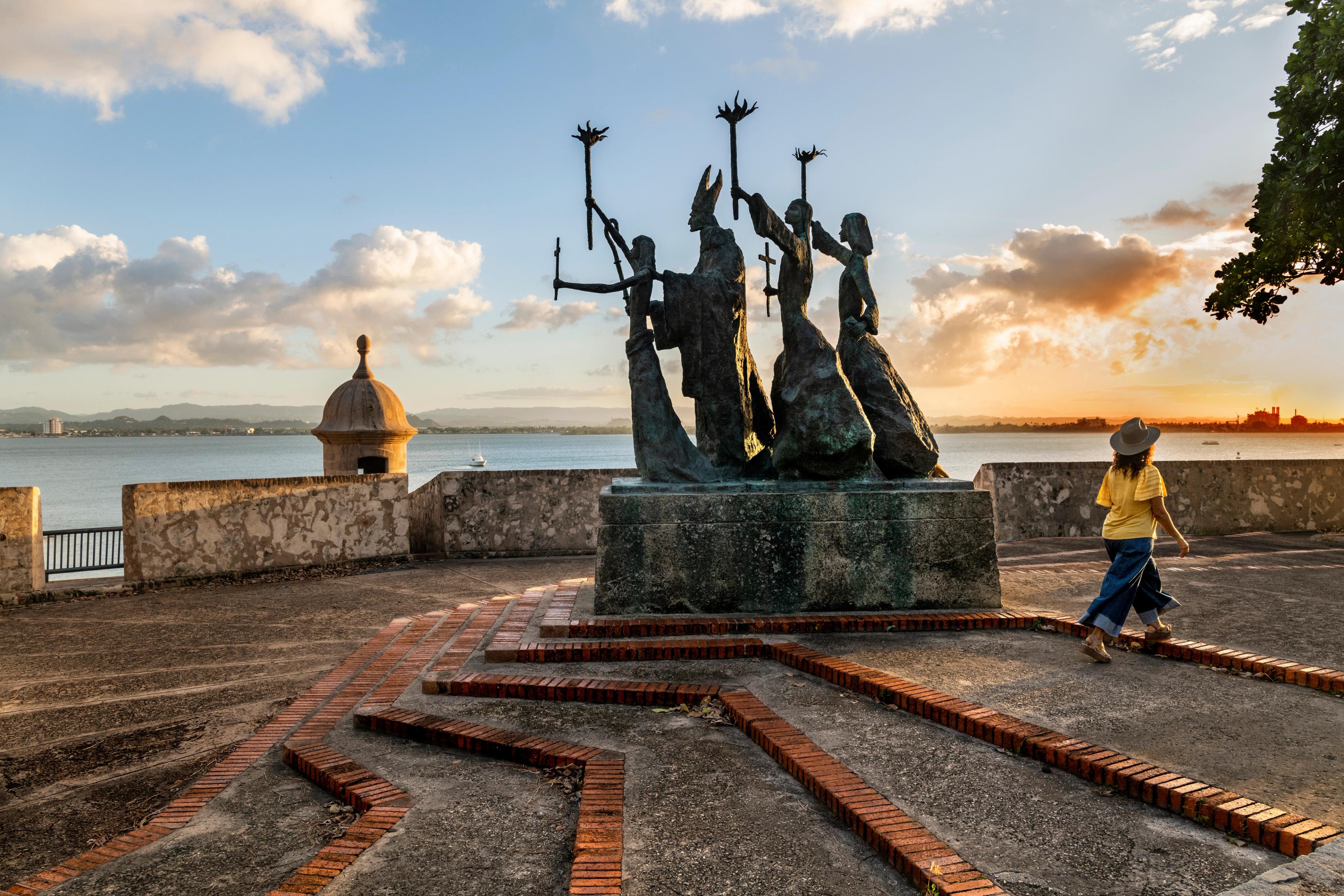
While Bequia (pronounced bek-way) is the second-largest island of the nation of St. Vincent and the Grenadines, at just seven square miles, it can hardly be called big. And, with a friendly population of only about 5,000, guests will doubtless receive a friendly hello as they pass the same people throughout the day.
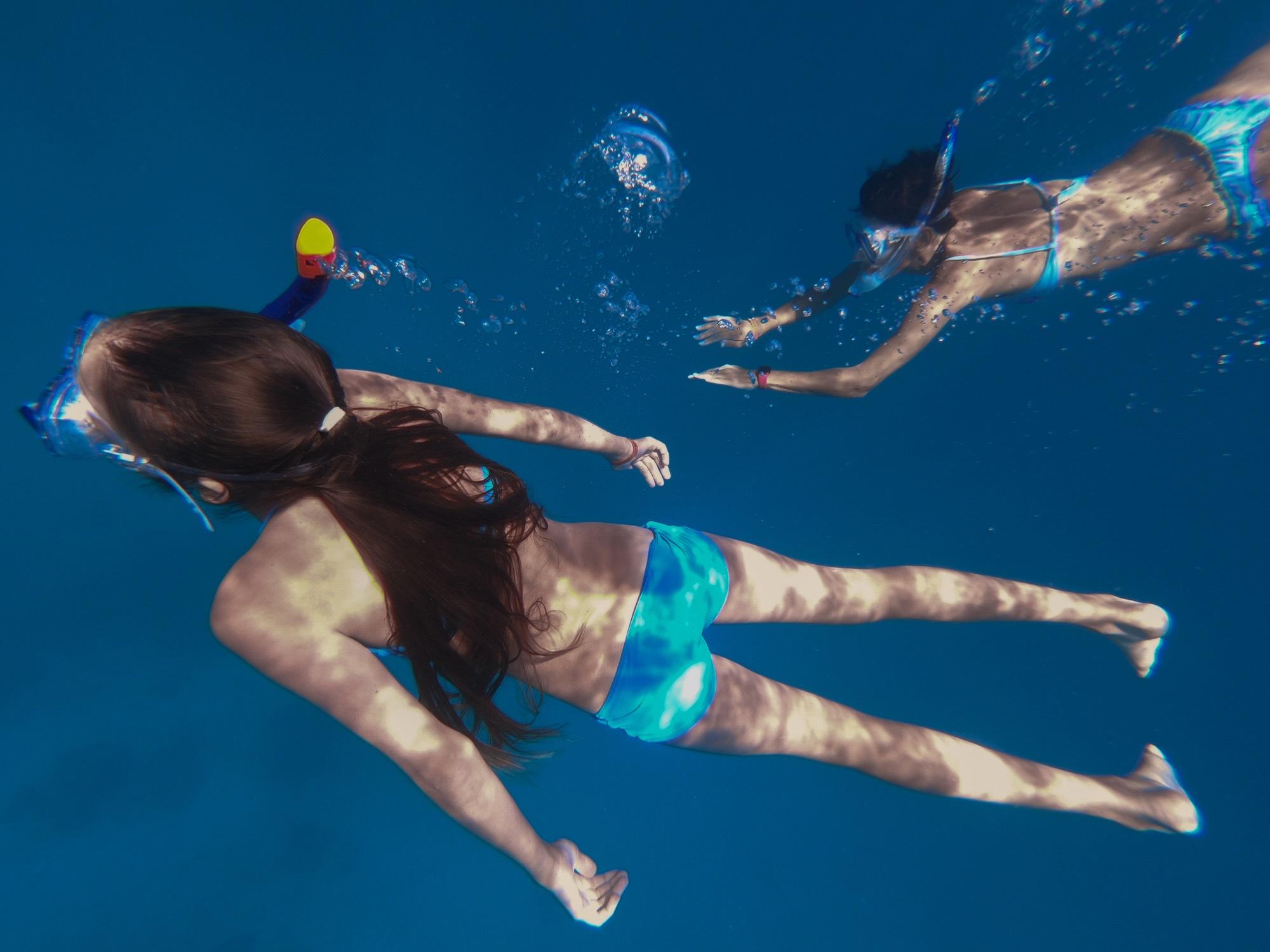
Enjoy a stroll along the boardwalk at Port Elizabeth, the island’s capital, stop at local shops, and enjoy coffee at a cafe before hiking up Mount Peggy for a stunning view of the sparkling waters of Admiralty Bay, and some of the surrounding islands. Once down at sea level, grab a lobster pizza at Mac’s Pizza & Kitchen before heading to snorkel at Princess Margaret Beach. Or, enjoy a relaxing swim and some sunbathing on the white sands at Lower Bay Beach, where, on Sundays, both residents and visitors often gather to dance to tunes of local musicians.
Dominica
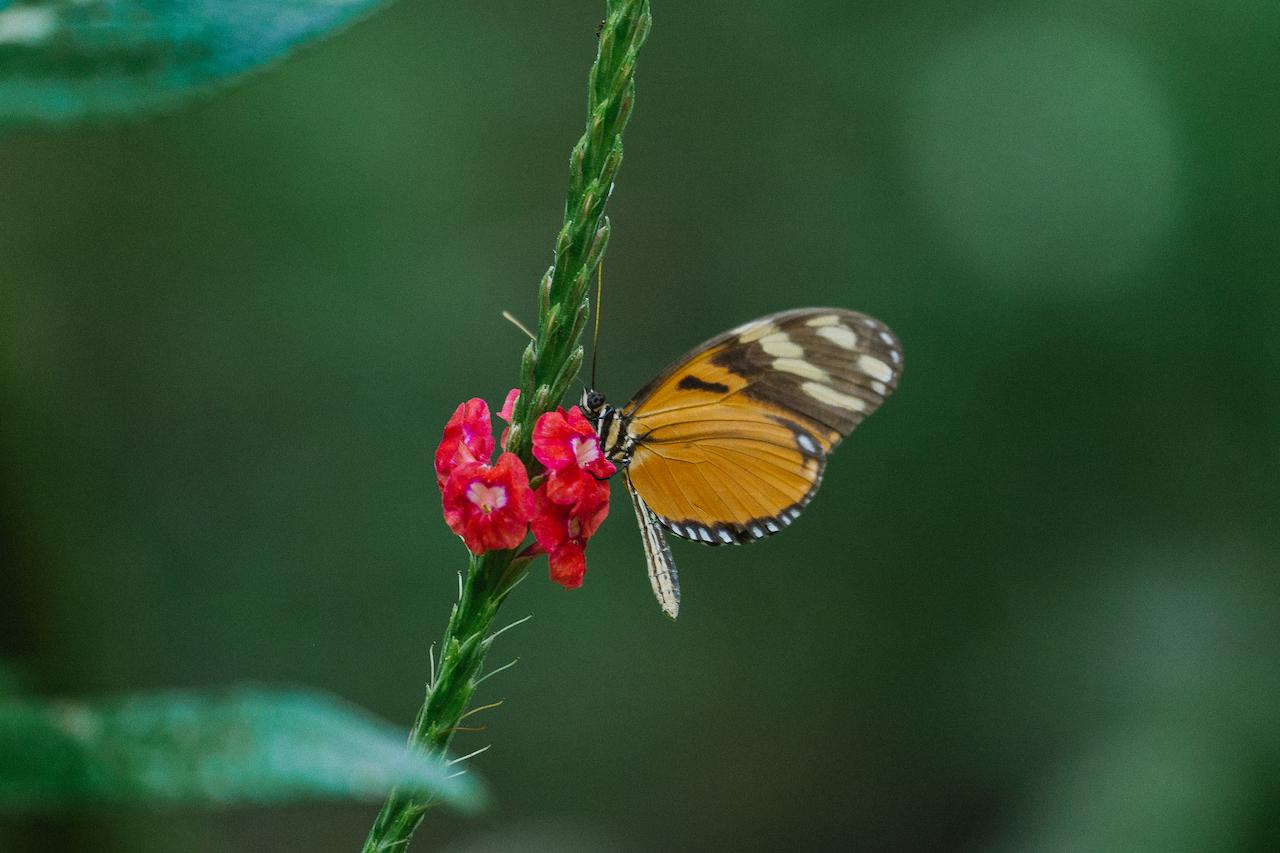
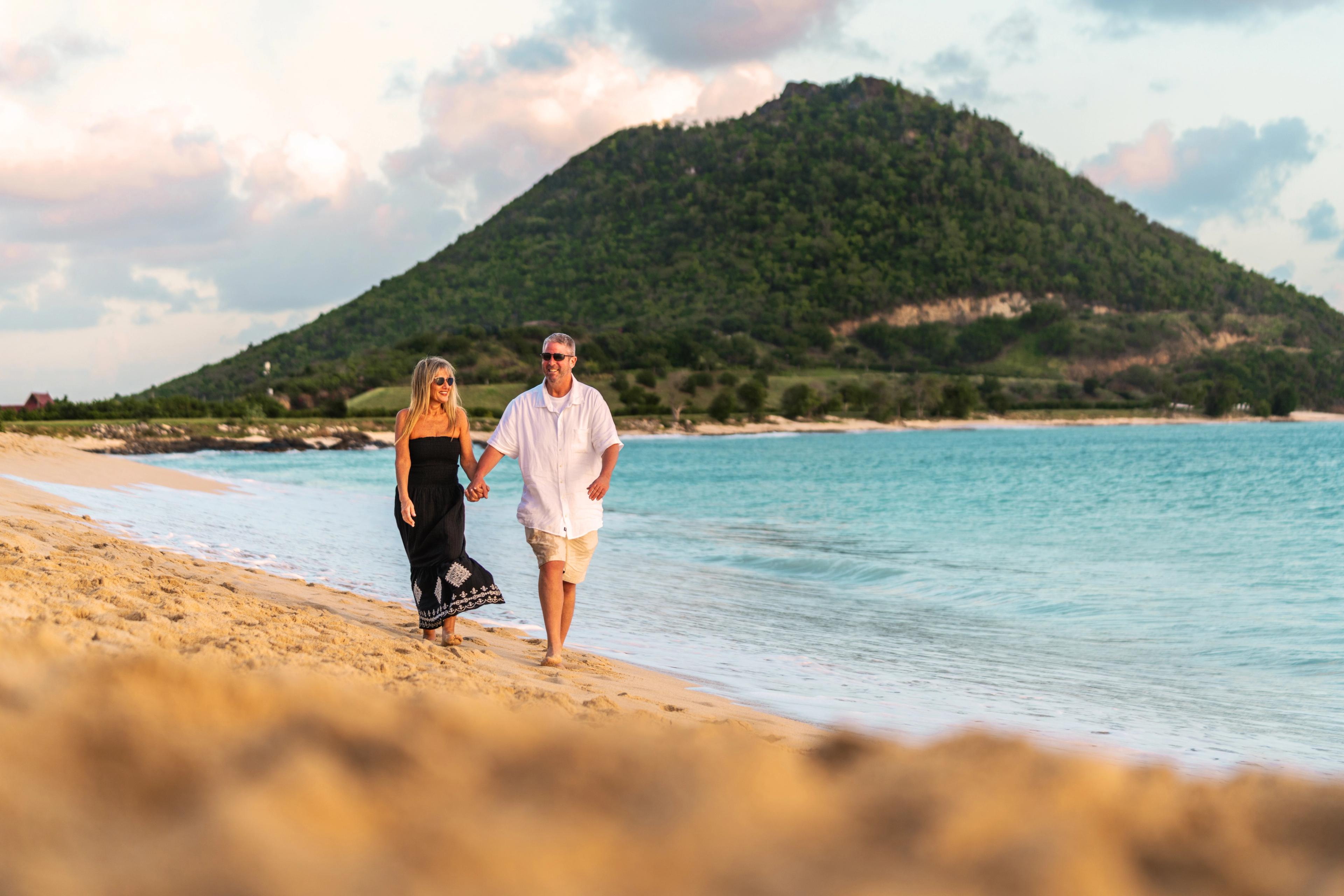
Dominica is all about nature. A shining example is Cabrits National Park, an extinct volcano that now protects coral reefs, tropical rainforests, wetlands, and wildlife. Birdwatchers love this park, which is home to 162 species of birds.
Besides the varied opportunities to revel in nature, the national park houses the remnants of Fort Shirley, the 18th-century military outpost built to defend the island from invasion. There’s no better way to enjoy Dominica than a swim in Emerald Pools, filled with water cascading from Emerald Falls. The volcanic nature of the island means that beachgoers can lounge on black, gold, and gray sand beaches.
Enjoy a Silversea Shore Excursion like the Trafalgar Falls & Jungle Spa Experience, a spectacular opportunity for guests to immerse themselves in nature, viewing the twin waterfalls, known as Mother and Father, followed by a soak in an open-air hot mineral bath emanating from the thermal springs far below.

St. Barths
Officially named St-Barthélemy, St. Barths offers a tropical experience with a French flair. This French overseas collectivity boasts turquoise waters, unique beaches, fine dining, and fantastic reefs for snorkeling and scuba diving. Rainbows are put to shame by the vast array of colors found below the water in the form of fish and coral reefs.
Choose your adventure on one of its more than 20 beaches. For the ultimate relaxing experience, visit Saline Beach, a favorite among naturists. For some excitement, head to St. Jean Beach, where you can harness the wind for a spectacular day of windsurfing. Conveniently, St. Jean Beach is situated at the end of the runway of Gustaf III Airport, so, besides your watersports adventure, you’ll have a free ticket to watch the aerial ballet of seasoned pilots landing on a short runway with mountains on one end and the Caribbean Sea on the other.
Stop at the famous Shell Beach, and you’ll understand where it got its name, since it’s completely covered in tiny seashells. St. Barths is also a shopper's heaven, with galleries showcasing works from local artists, and boutiques selling the latest fashions by well-known designers.
Nevis
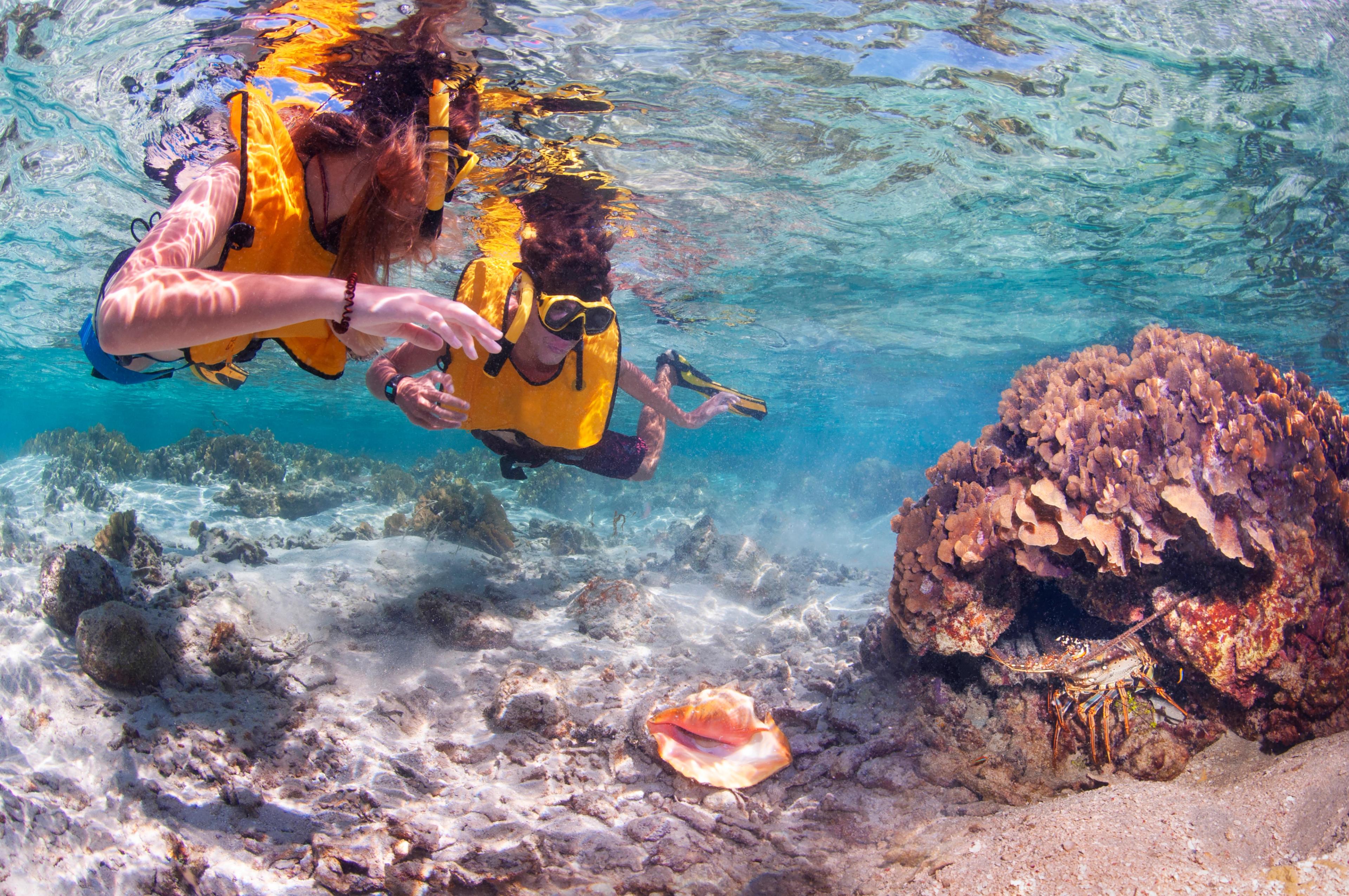
This much smaller of the two islands that make up the country of St. Kitts and Nevis offers a variety of things to discover, from nature to history to mangos. Yes, mangos! With over 44 mango varieties, of course they have a Mango Festival every July.
Also in July is Culturama, which celebrates the island’s rich cultural traditions through parades, music, competitions, and food. But there’s so much more to experience in Nevis throughout the year. Explore history with stops along the Heritage Trail, marking locations including the house where Admiral Nelson married Frances Nisbet in 1787; the museum of history, housed in the restored birthplace of Alexander Hamilton; plantations, the remnants of a slave market, and a Jewish cemetery.
Anguilla
This British Overseas Territory has been named the top Caribbean island by Travel + Leisure multiple times, and it’s no wonder. The variety of its 33 stunning, fine white-sand beaches, including Meads Bay, Rendezvous Bay, and Shoal Bay, offers a peaceful beach experience, as well as an endless variety of watersports, including kiteboarding, windsurfing, waterskiing, tubing, speed boat rides, and deep-sea fishing.
Savor the food, views, and music at local eateries offering anything from casual beach treats to exceptional fine dining with dreamy views. Day spas offer some pampering, while golfers will love the Greg Norman-designed golf course with unparalleled views of St. Maarten just across the azure waters of the Caribbean Sea.
Small Caribbean islands offer big rewards
While larger, many more well-known Caribbean islands have concentrated on building and development to accommodate more and larger cruise ships, most of the smaller islands have concentrated on preservation of wildlife, local culture, and natural resources. In short, the concentration is on quality, not quantity.
Leave the T-shirt and souvenir shops to the big islands. Stop in a boutique on St. Barths, and you’ll find unique works from local artists. Leave behind the well-known tourist bars of Cozumel, and stop by a bar or restaurant on a small Caribbean island, where you’ll drink with locals, and you may even find yourself dancing at an outdoor street party known as a ‘Jump Up.’
Grab a headlamp for a trek through a well-preserved cave filled with fossils embedded in the limestone in Anguilla. Get away from the many beach vendors selling anything from jewelry to hair braiding, and unwind on pristine beaches in small coves. When visiting Bequia, keep a lookout for sea turtles, sperm whales, and Sisserou, one of the oldest species of Amazon parrot in the world, found only on this small island.
Smaller Caribbean islands allow you to surround yourself with nature, not crowds. And those you do meet will often be locals happy to share their culture and daily life.
While larger, many more well-known Caribbean islands have concentrated on building and development to accommodate more and larger cruise ships, most of the smaller islands have concentrated on preservation of wildlife, local culture, and natural resources.
Explore the culture and history through gastronomy
Food is culture, and the people who both passed through and settled in these islands brought with them ingredients, as well as preservation and preparation methods that mixed with existing gastronomy and continue evolving.
Between colonization and the slavetrade, British, French, West Indian, and African populations left their mark on the Caribbean. This ‘triangular trade,’ as it is known, brought gastronomy from around the world, which left its mark. Visitors can find authentic foods from these areas, and even more exciting is the fusion of these foods with existing fare and with each other.
A Nevisian staple, salt fish, arrived through colonization. The salt acted as a preservative, allowing the fish to stay fresh for longer. These days it’s accepted as a national dish, usually served stewed with local ingredients including spicy plantains, seasoned breadfruit, and coconut dumplings. Johnny Cake, also known as Journey Cake, which came through the triangle trade, may also accompany salt fish or other Dishes.
Being oh-so-French, St. Barths is the place to find the wonderful sauces the French are known for, not to mention delicious, buttery croissants, creamy cheeses, and fresh-baked baguettes. When in Dominica, enjoy a bowl of Callaloo, a soup made with greens, coconut milk, and spices. This, the national dish of Dominica, finds its roots in West Africa and has been adapted using ingredients found in the Caribbean.
Finally, due to the British influences, delicious fish and chips can be snagged in Anguilla, Nevis, and Bequia. The rum, which is so prevalent in the Caribbean islands, also has its roots in the slave trade. Enslaved Africans worked the many sugar plantations and discovered that molasses, a by-product of the sugar refining process, could be fermented to produce alcohol and then distilled.
A Silversea cruise to small Caribbean islands also offers a wonderful opportunity to experience Sea And Land Taste — or S.A.L.T. for short. It’s a culinary program unique to Silversea that explores a destination’s cultural identity through food. On board, S.A.L.T. Kitchen features ever-changing menus inspired by the region, while S.A.L.T. Bar brings local flavors into carefully crafted cocktails. Guests can also join S.A.L.T. Talks for insight into how cuisine reflects culture, history, migration, and tradition. S.A.L.T. Labs offers hands-on cooking classes in a professional culinary laboratory.
The discovery continues ashore through S.A.L.T. Experiences, a series of culinary-focused Shore Excursions. Local chefs, growers, distillers, and culinary experts help guests understand the stories behind regional ingredients and techniques, from visits to markets and farms to intimate encounters with food artisans. These experiences reveal how the Caribbean’s flavors carry the memory of its people, places, and past.
Set sail for hidden Caribbean gems
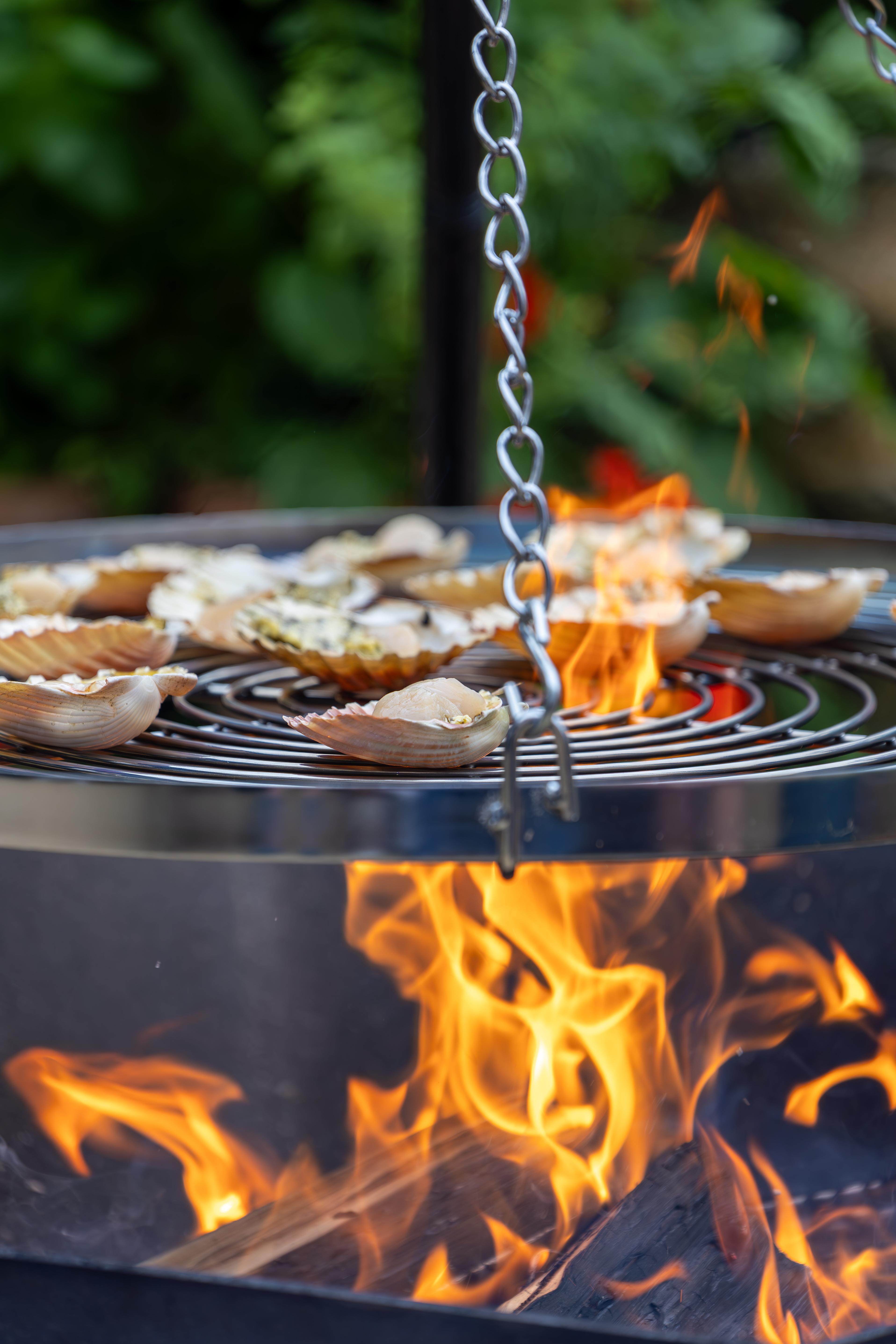
Hidden coves instead of crowded beaches; incredible food prepared by local chefs instead of noisy bars; rainforests filled with birdsong enveloping you, not noisy tourists looking for the perfect Instagram shot; small boutiques offering local handicrafts instead of the same jewelry store chains scattered across crowded islands; this is the real Caribbean experience.
Here, it’s often the hidden gems that leave the strongest impression. With fewer crowds and closer ties to local culture, these destinations invite a more thoughtful, unhurried way of exploring.
Discover Caribbean voyages that connect you with these quieter, more authentic destinations.