Japan in Autumn: A Luxury Guide to Koyo Season
- Published on
- Author
- Reading time
- 11 mins
Summer in Japan can be a lot of fun, but it’s hot and humid. That’s why many travelers prefer Japanese autumns, when the East Asian nation transforms into one of the world's most serene seasonal displays.
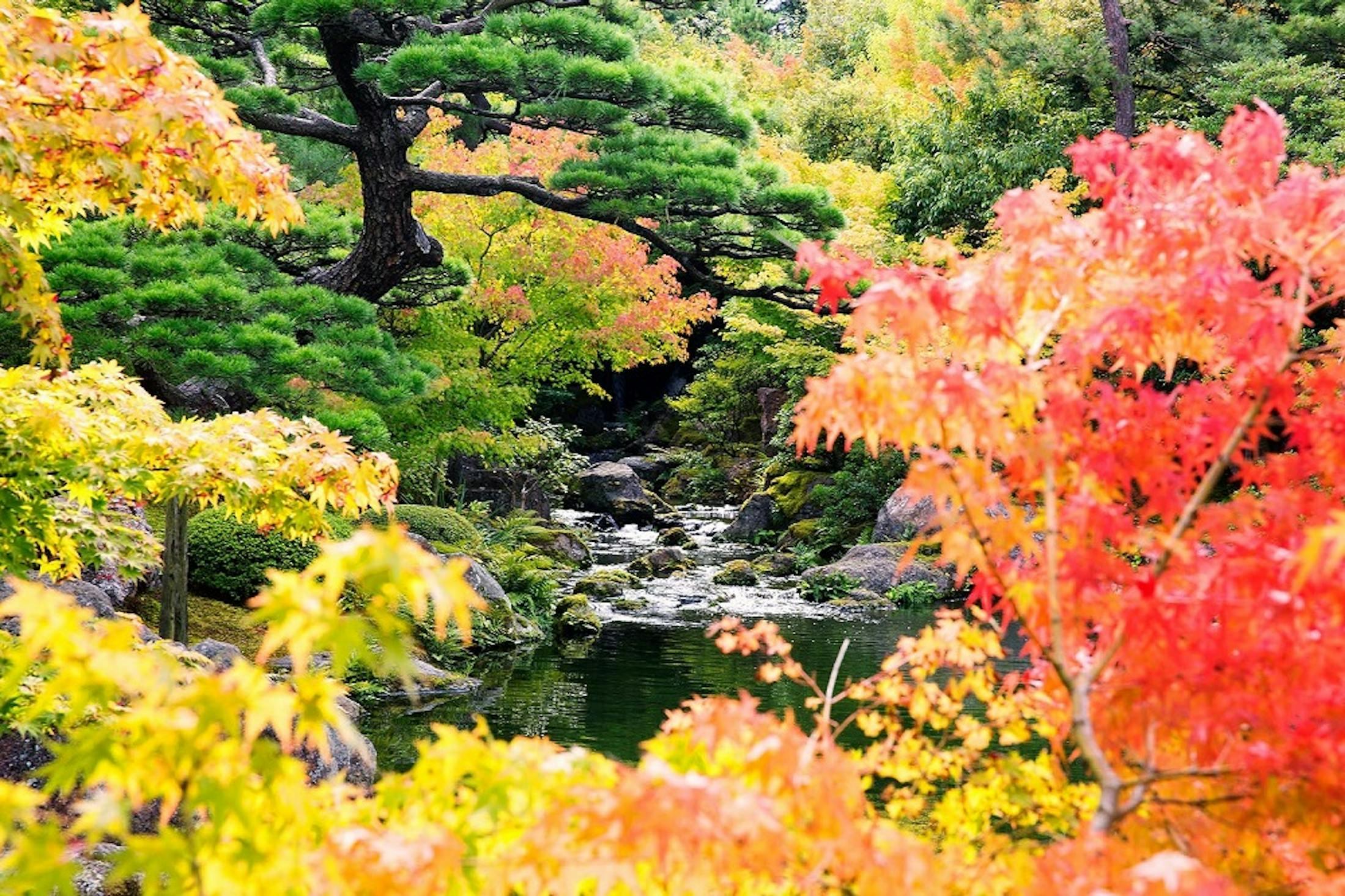
Crisp fall air refreshes and invigorates, especially when it's accompanied by the pleasing aroma of wood smoke and roasted chestnuts. Sipping a cup of warm matcha while admiring a moss garden punctuated by scarlet leaves is at once both soothing and unforgettable.
To put it in Japanese terms: “koyo” refers to the changing of colors and “momiji” refers specifically to the brilliant red Japanese maple. And the age-old tradition of traveling to view these changing leaves is known as “momijigari,” which roughly translates to "autumn leaf hunting." And thankfully, you won’t have to hunt very hard, as these beautiful trees are abundant in the fall months.
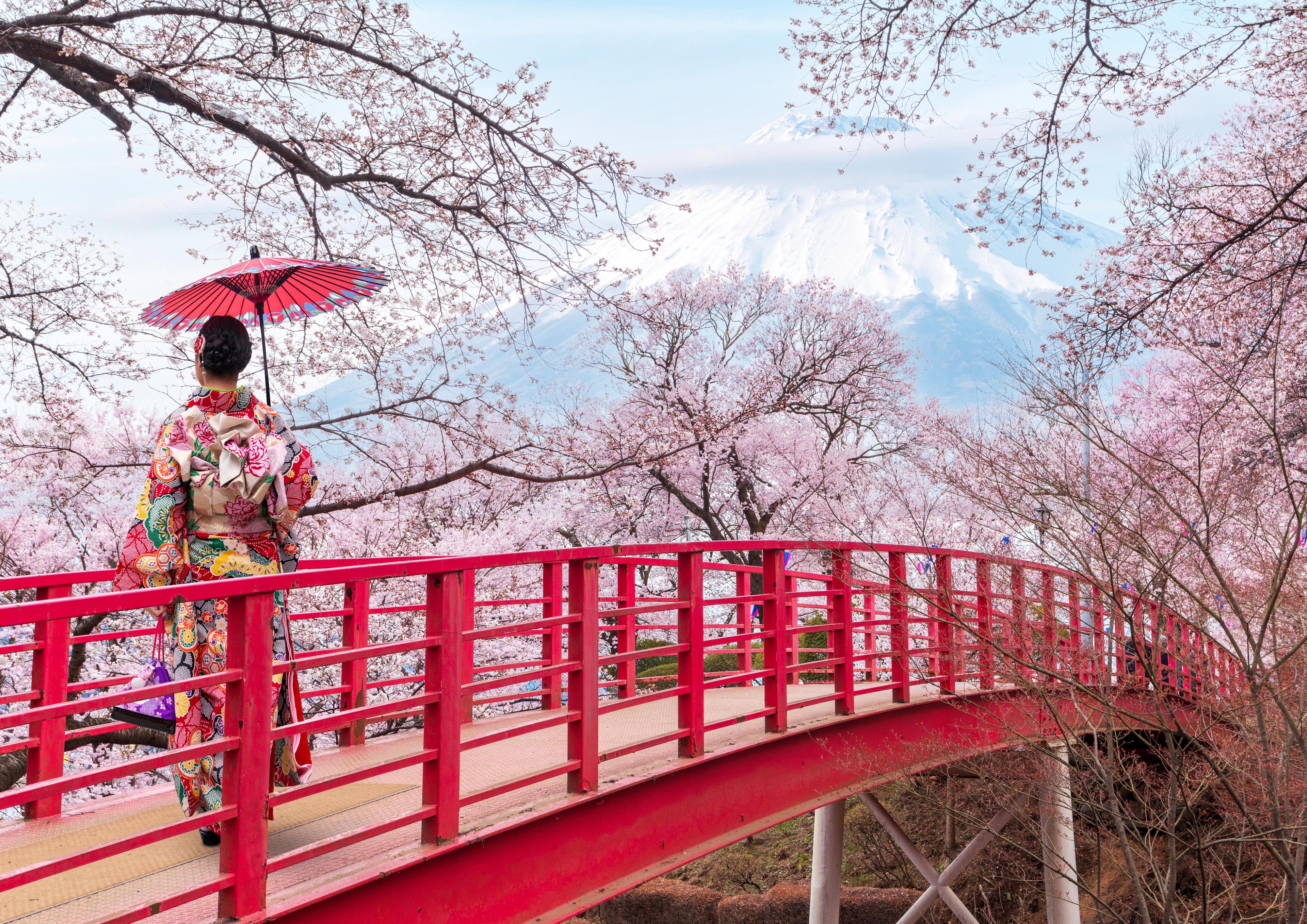
Japan Luxury Cruises
Book your all-inclusive luxury cruise to Japan and discover sacred traditions! Get ready for a breathtaking experience with Silversea!
Why autumn in Japan captivates travelers
Autumn in Japan is popular with visitors because the season offers an ideal balance of comfortable weather, rich cultural traditions, and breathtaking landscapes.
Similar to much of East Asia and the northeast of North America, the fall season unfolds from late September through early December. Keep in mind, though, that latitude and elevation can make for different autumnal experiences. For example, October on the northern island of Hokkaido feels different from October on the southwestern island of Kyushu.
But while autumn brings with it wonderfully moderate temperatures, this time of year has far more to offer than just weather. For example, seasonal harvests inspire regional menus, and historic shrines host traditional harvest festivals. Autumn offers an intimate, reflective way to connect with Japan's natural heritage.
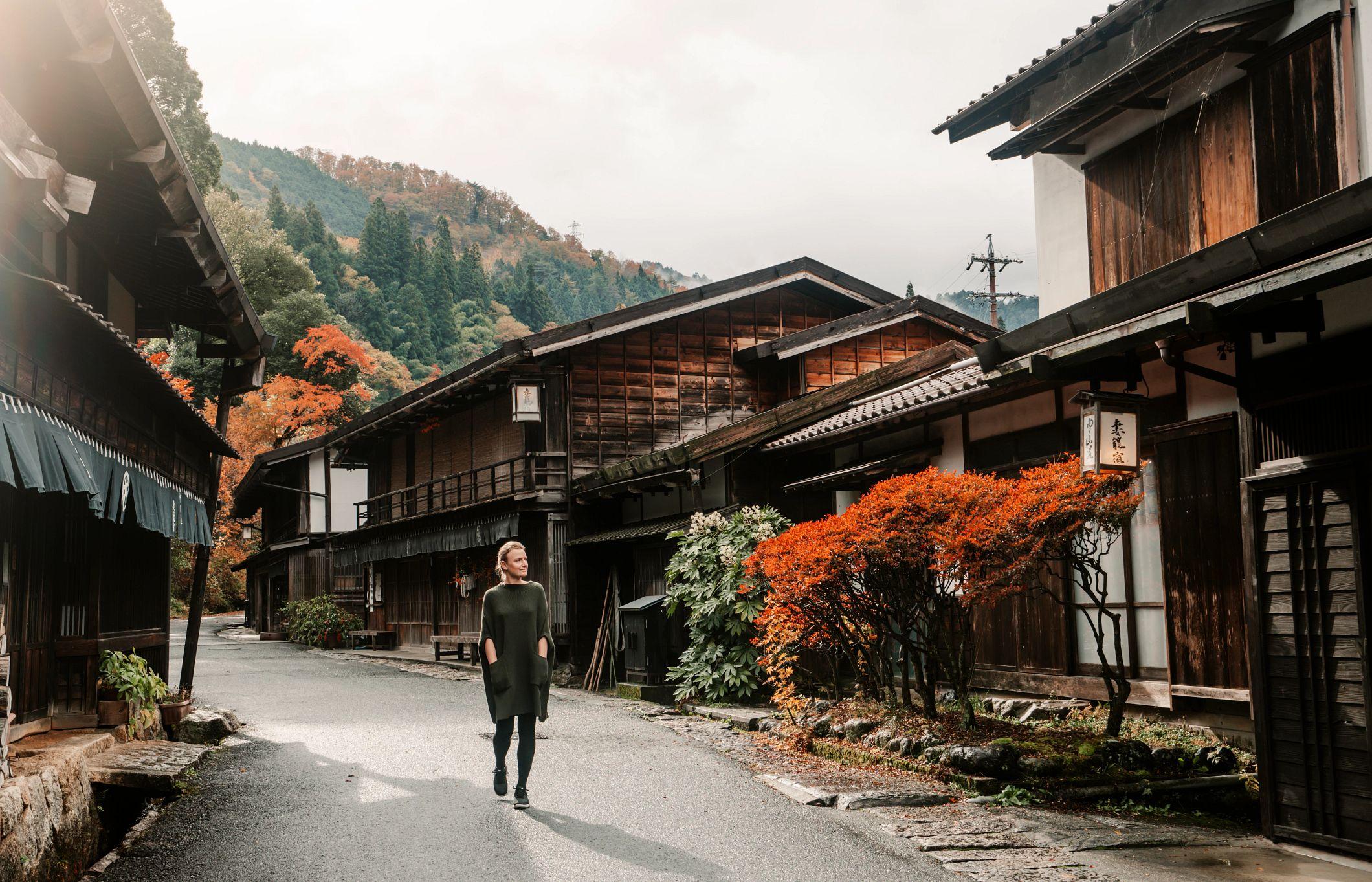
When autumn arrives: Japan fall foliage from north to south
Unlike the spring cherry blossom season, which moves northward as temperatures warm, the autumn foliage season travels in the opposite direction. Driven by cooling temperatures, the autumn color peak begins in the northern wilderness of Hokkaido and higher mountain elevations before gradually descending to central and southern regions.
Here is where and when you might find peak autumn in Japan:
- Late September to early October: Hokkaido, northern wilderness parks, and high-altitude mountain passes in the so-called “Japanese Alps.”
- Late October to early November: Lake Chuzenji, Nikko, the Fuji Five Lakes region, and mid-elevation valleys.
- Mid-November to late November: Kyoto, Nara, Osaka, and coastal regions.
- Late November to early December: Golden ginkgo trees and late-season maples across Tokyo's historic parks and gardens.
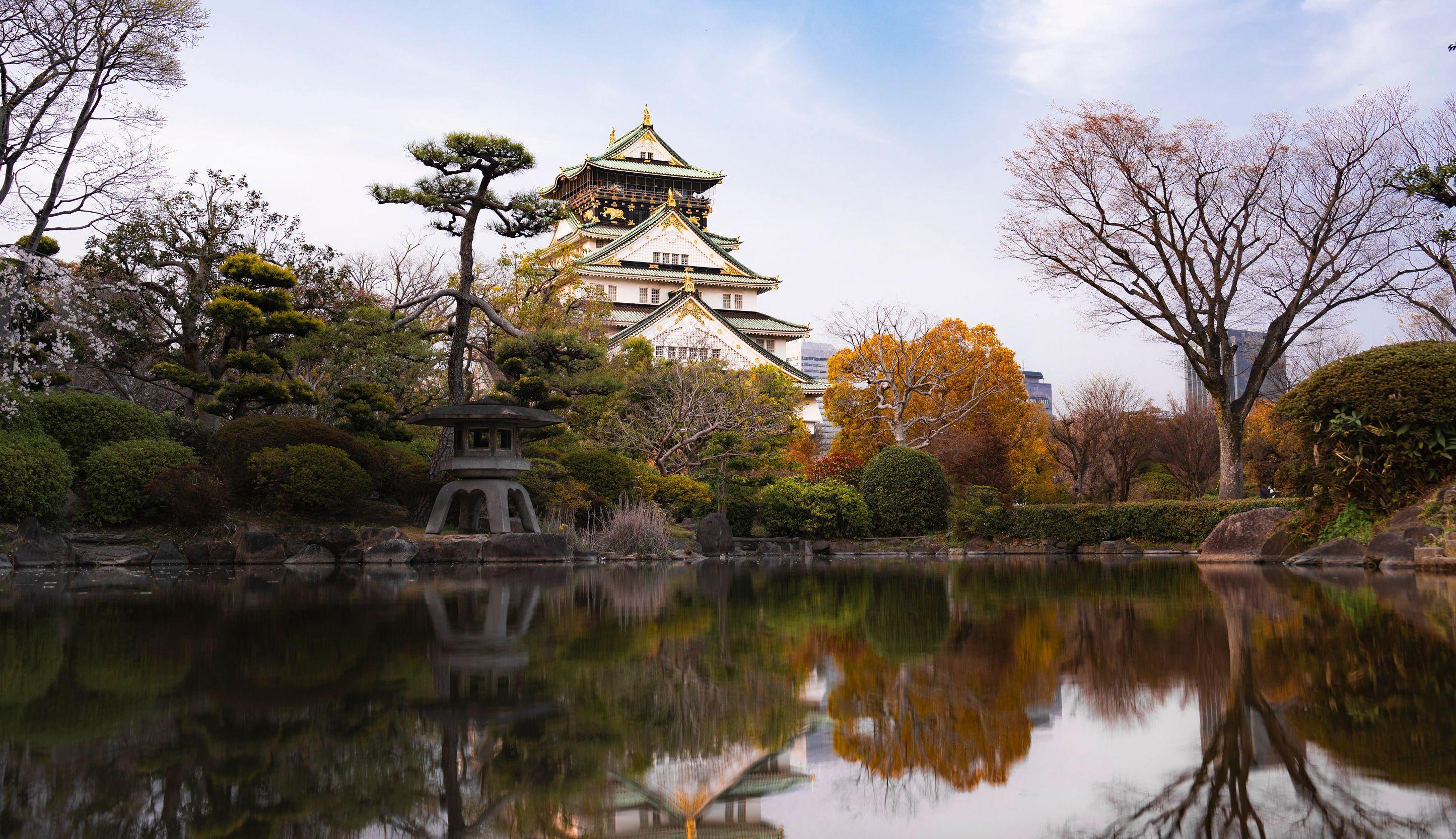
Early season: Hokkaido and higher elevations
For early fall visitors, the Japanese north is the best bet for a true koyo experience. Hokkaido's rugged national parks are the first to embrace the chill. However, the areas just below snow-capped peaks of Central Japan aren’t far behind.
In either region, subalpine forests turn shades of orange and gold, starting in September. Sailing along Japan's northern shores during this window provides direct access to these pristine, early-season landscapes before the seasonal chill settles further south.
Peak season: Central and southern highlights
By mid-to-late November, the wave of color has reached full force in Japan's historic heartland. This is when iconic cities like Kyoto, Nara, and Tokyo display their most vivid colors. While these famous destinations draw visitors from around the world during peak weeks, exploring with seasoned local guides or arranging visits during early morning hours offers a quieter, more personalized experience.
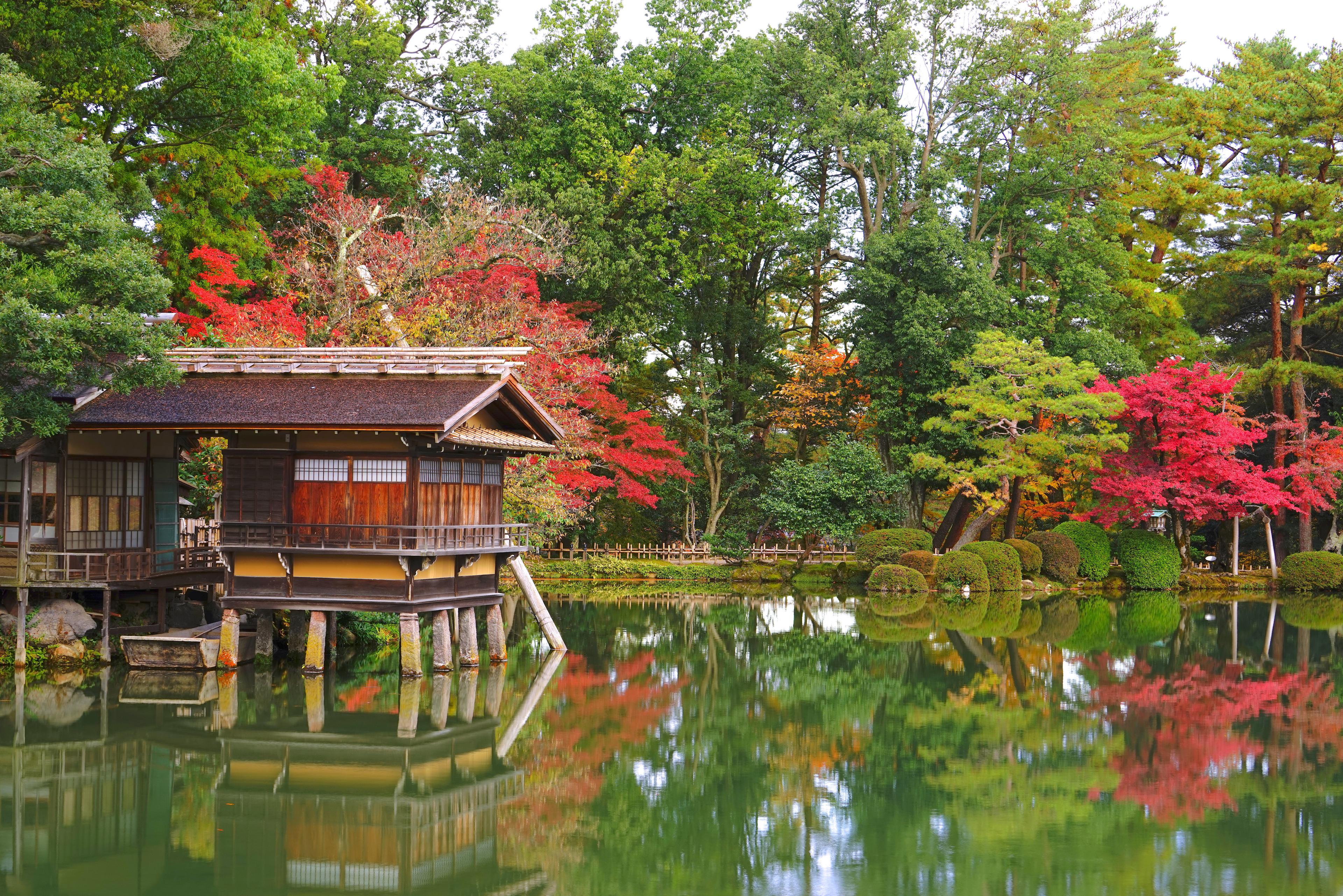
Fiery autumn foliage and sculpted trees frame a historic teahouse reflected in the calm waters of Kanazawa’s Kenroku-en Garden.
The best places to see Japan’s autumn colors
Japan offers endless settings for foliage viewing, ranging from wild valleys to manicured historic gardens. Choosing the right destinations depends on your travel dates and personal interests.
Tokyo's Golden Ginkgo and Japanese garden walks
Beyond crimson maples, Japan’s capital is famous for its towering ginkgo trees, which turn a brilliant, shimmering gold. A walk down the iconic Ginkgo Avenue at the Meiji Shrine Outer Garden is an essential urban fall experience, as the falling leaves carpet the wide boulevard in bright yellow.
Yoyogi Park and gardens like Koishikawa Korakuen combine historic architecture with colorful maples and ginkgos. And if you’ve had your fill of fall foliage, Tokyo has many fantastic neighborhoods that combine high-end shopping and contemporary art galleries — and they’re rarely far from a peaceful green space.
Kyoto's temples, maples, and evening illuminations
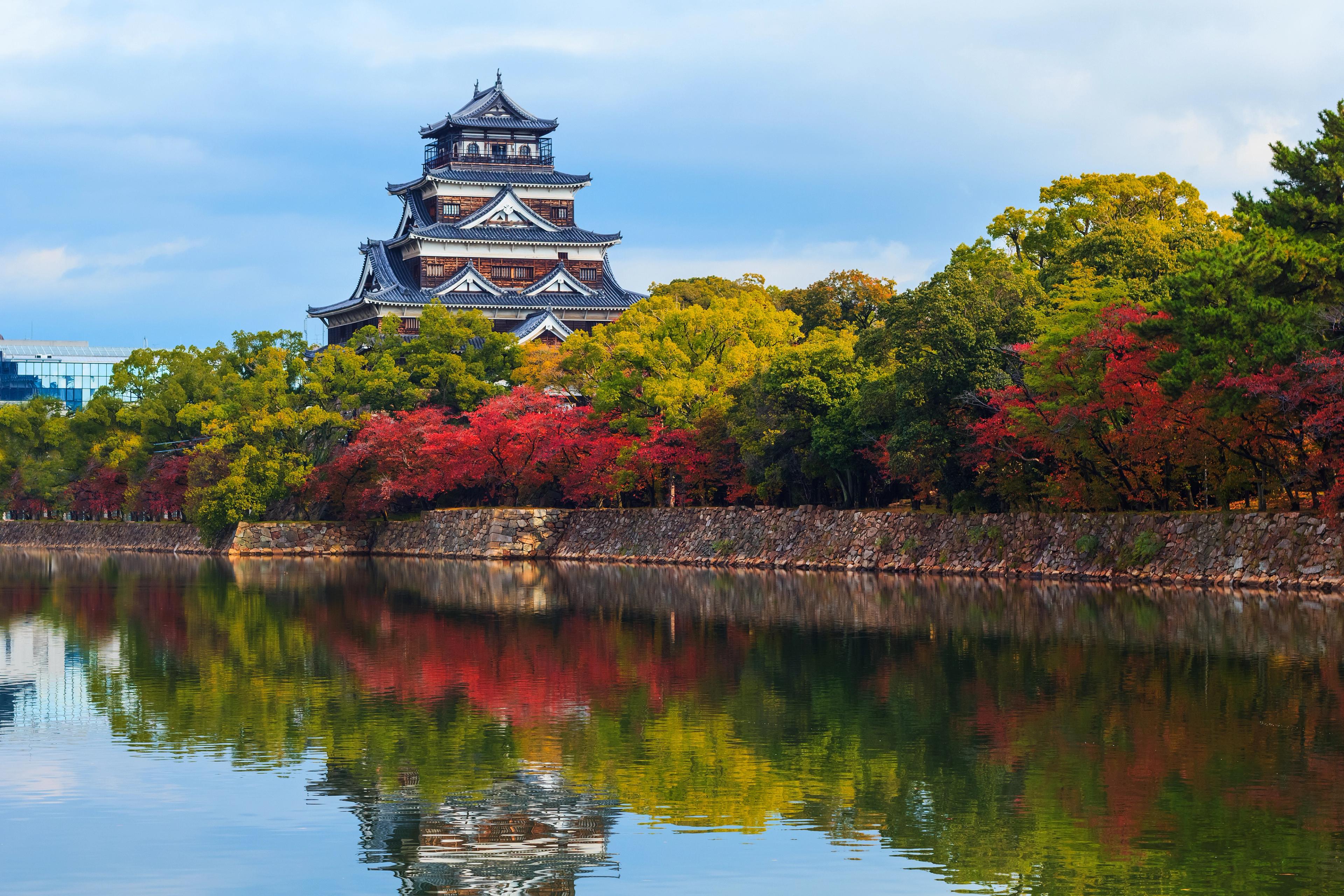
When I first arrived in Kyoto, it felt like stepping back in time, but not in a way that seems artificial or caricatured. Kyoto was the traditional capital of Japan, and today it remains the cultural capital of Momijigari. Centuries ago, the city’s historic temples were intentionally designed with Japanese maples in mind, creating harmonious views where wooden architecture meets vibrant red leaves.
Key locations in Kyoto include:
- Tōfuku-ji Temple: Famous for the Tsutenkyo Bridge, which spans a valley filled with a sea of fiery red maples.
- Arashiyama: Home to the iconic Togetsukyo Bridge, where forested mountainsides rise directly behind the Katsura River.
- Eikandō Zenrin-ji Temple: Renowned for its evening illuminations, where strategically placed lights transform the autumn leaves into mirror reflections across the temple pond.
When I first arrived in Kyoto, it felt like stepping back in time, but not in a way that seems artificial or caricatured. Kyoto was the traditional capital of Japan, and today it remains the cultural capital of Momijigari.
Hokkaido's early foliage and wide-open landscapes
Not only is Hokkaido where koyo season starts, but it also offers the most natural, wildest landscapes, contrasting the manicured gardens of central Japan. In Daisetsuzan National Park, the alpine tundra and birch forests begin changing as early as late September. Travelers can take ropeways over deep gorges, soak in volcanic mineral springs, and explore the autumnal wilderness.
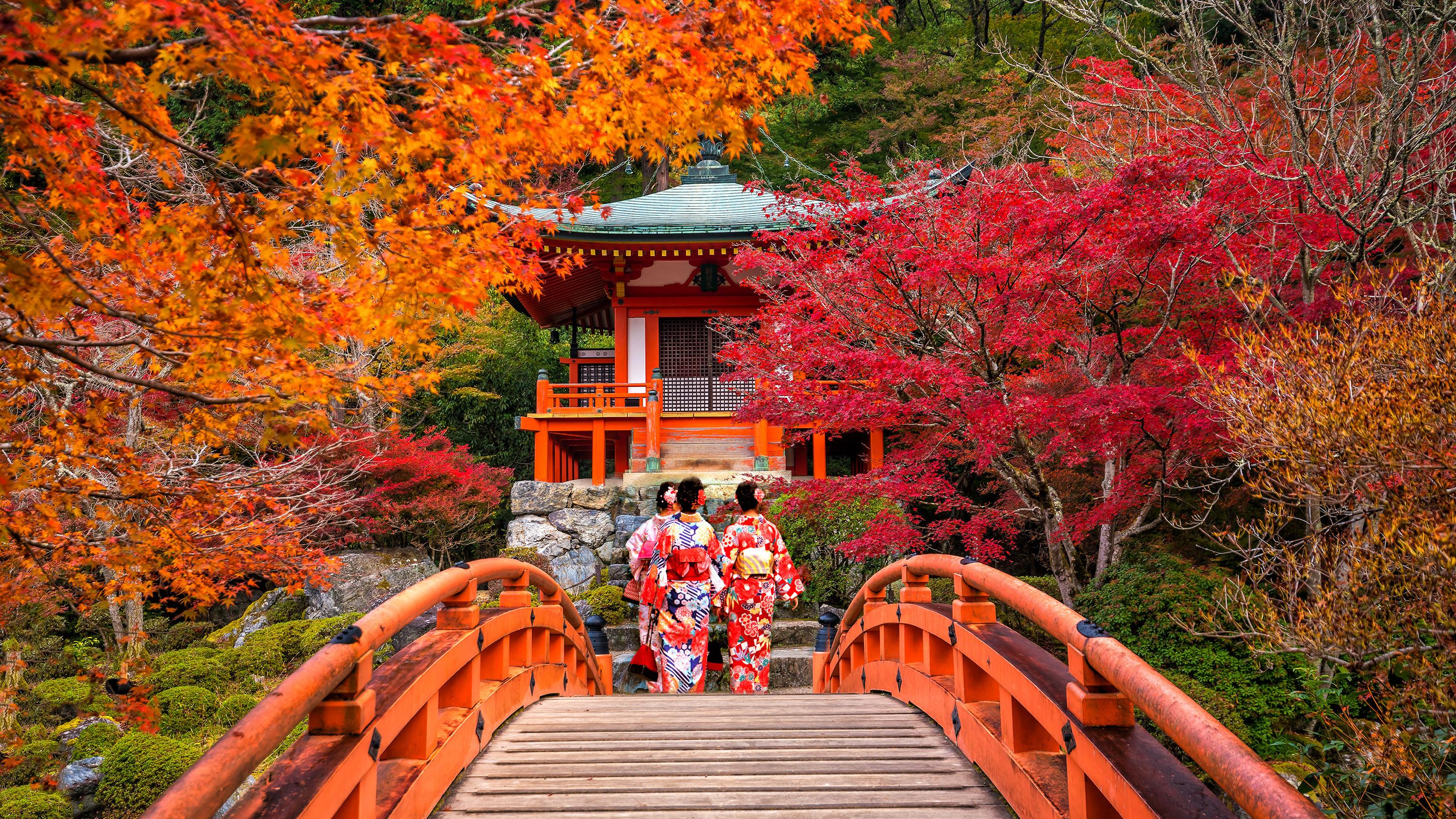
Women in traditional kimonos cross a red arched bridge surrounded by fiery autumn maples at Kyoto’s historic Daigo-ji Temple.
Hakone or mountain scenery beyond the cities
When I first visited Japan, I marvelled at how, in a comparatively small area, the country offers both sprawling, highly modern, urban scenes and more traditional, rural, and even wild landscapes.
Mt. Fuji literally stands as a testament to this, as it’s consistently visible from numerous cities. And if you get closer, you’ll notice the Fuji Five Lakes area is majestically adorned by overhanging maple branches. And further into the interior, the high valleys of the Japanese Alps feature historic mountain villages, rushing rivers, and awe-inspiring cable car rides.
What to eat in Japan during autumn
Autumn is a time for many animals to eat all they can to preserve warmth in the coming winter months. And humans are animals, too, which is maybe where the Japanese phrase, “shokuyoku no aki,” comes from — “autumn is the season of appetite." Consider these fall staples:
- Matsutake mushrooms: Offering an earthy aroma, these rare mushrooms are grilled over charcoal or steamed with rice.
- Sanma (Pacific saury): A rich, flavorful autumn fish grilled whole with sea salt and served with fresh grated daikon radish.
- Chestnuts and sweet potatoes: Used in savory rice dishes as well as traditional sweets.
- Persimmons: Sweet, sun-dried fruits often seen hanging under the eaves of traditional farmhouses throughout rural valleys.
Fine dining restaurants align their multi-course “kaiseki” menus with what’s in season, decorating plates with fresh maple leaves and featuring seasonal delicacies. And of course, there’s sushi featuring rich, seasonal catches.
How to plan a comfortable autumn trip
Because autumn is so popular, it’s smart to make reservations well in advance so you can time your visit for peak koyo. Pack versatile layers to keep you comfortable whether you’re strolling through sunny parks or enjoying cooler evening illuminations.
And because you’ll want to spend so much time outdoors, comfortable footwear is a must — especially easily removable shoes, because you’ll be asked to take them off in some temple buildings. And after a rewarding day of walking along historic cobblestone paths, there is no finer way to unwind than to visit an onsen and soak in mineral-rich waters.
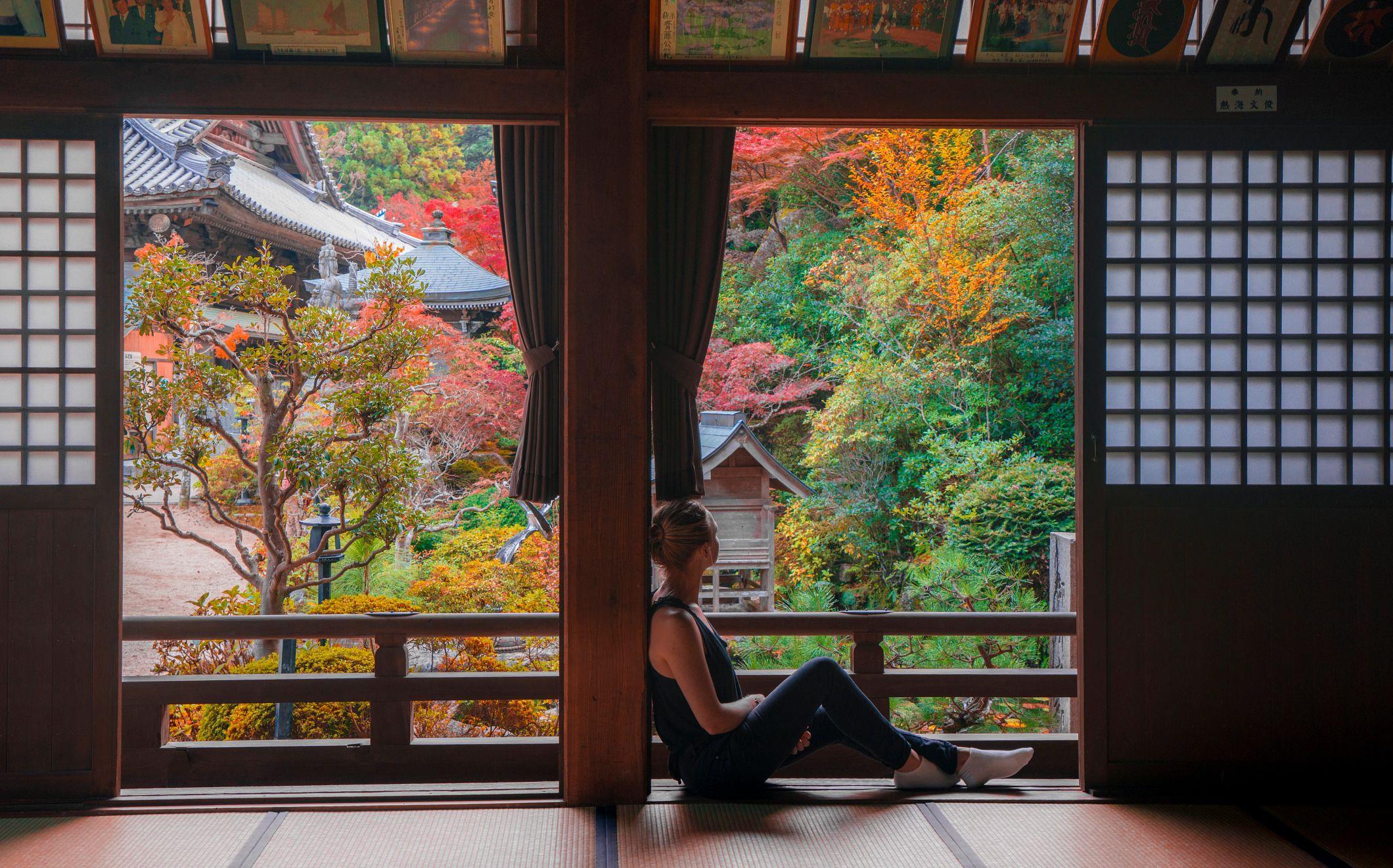
What to wear in Japan in autumn
When packing clothes, remember to plan for the conditions at the latitudes and elevation you’ll be visiting. While daytime conditions in central cities like Tokyo and Kyoto are typically mild and pleasant, mornings and evenings in mountain regions like Nikko or Hakone can be chilly.
Like fall in much of the world, temperatures and weather conditions can vary significantly from day to day, and even during a day. So light layers, sweaters, and a medium-weight coat are all advisable. And if the autumnal chill ever gets to be a bit much for you, remember: you can always warm up in a cozy cat café.
A luxurious way to see Japan in autumn
Sailing aboard an intimate ship offers a comfortable, convenient, and charming way to experience autumn in Japan. By traveling along scenic coastlines, you can visit diverse ports — from Hokkaido's northern harbors to historic coastal towns along the Sea of Japan — while returning each evening to personalized service, fine dining, and beautiful ocean views.
To start planning your journey along these historic coasts, see Japan cruises or explore all Asia cruises to find your ideal itinerary.
Autumn in Japan FAQs
When is autumn in Japan?
Autumn in Japan generally runs from late September through early December.
When do the leaves change in Japan?
The leaves change starting in late September in Hokkaido and high-elevation mountain passes. Peak foliage reaches central Japan — including Kyoto, Tokyo, and Osaka — in November.
Is it better to visit Japan in September or October?
September is warm and early for foliage in most cities, though late September brings initial colors to Hokkaido. October offers cool, crisp weather and prime foliage viewing across northern regions and mountain destinations like Nikko and the Japanese Alps, making it an ideal month for natural exploration.
What is koyo season in Japan?
Koyo refers to the period when deciduous trees, particularly maples and ginkgos, change color in autumn. It holds cultural significance in Japan, inspiring seasonal food, art, and festivals.
Plan your journey with Silversea
From ancient temple gardens dusted in crimson leaves to coastal mountain ranges glowing with seasonal color, fall in Japan blends natural beauty and deep cultural traditions. An intimate small-ship voyage allows you to explore the country's most captivating autumn ports in complete comfort and style.
Find a cruise to Japan and immerse yourself in the country’s culture, cuisine, and more.