Discover the Best Places for Cherry Blossom Season in Japan
- Published on
- Author
- Reading time
- 11 mins
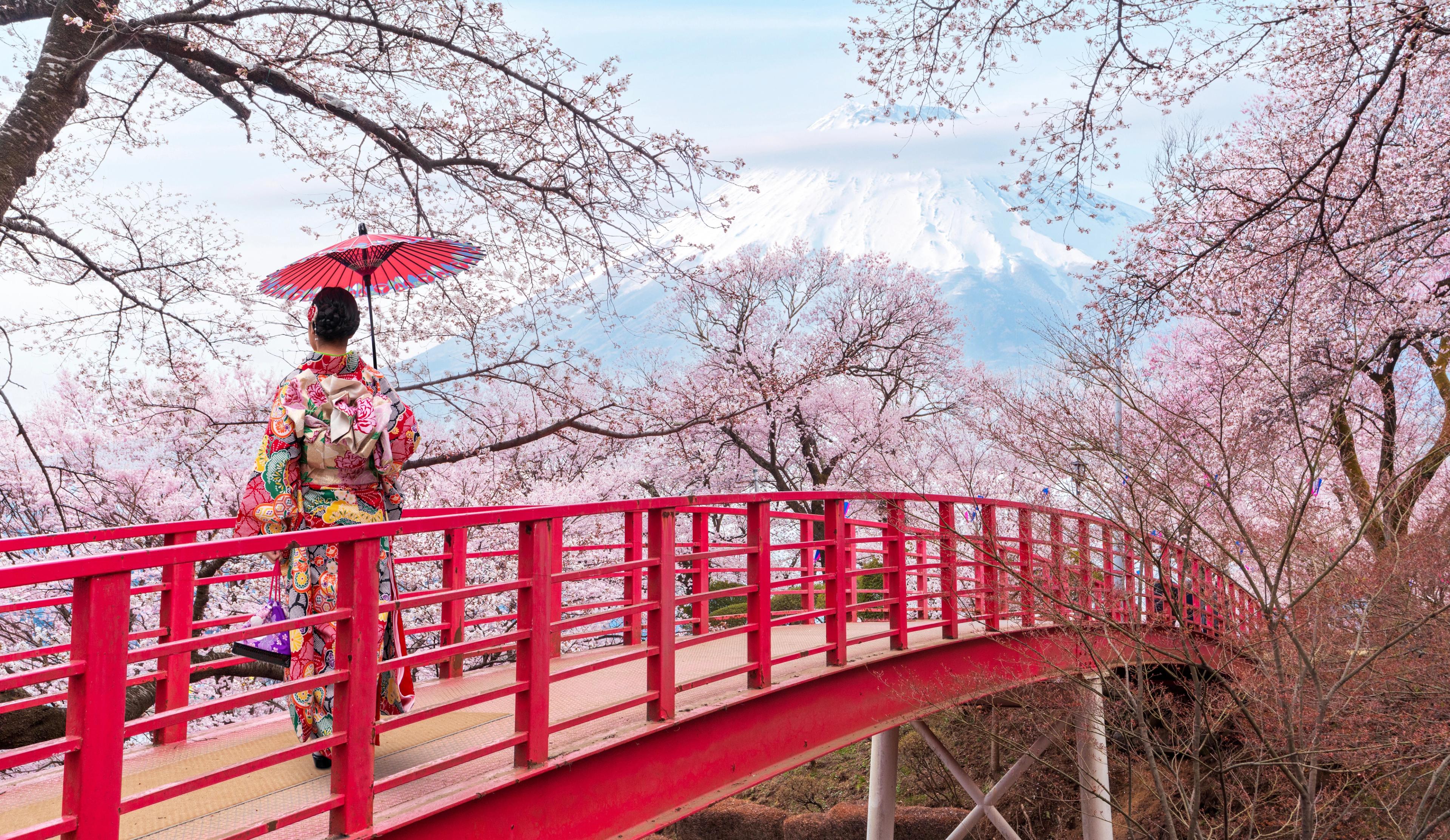
The Land of the Rising Sun shines bright with blushing petals every spring. Painted in white and every shade of pink, the cherry blossom season in Japan is luscious, fragrant, and precious. For thousands of years, it’s been an occasion that’s brought people together outside and under the sky. And today, Sakura season lives on — starting in late March, trees from Kumamoto to Sapporo dance with blooms until early May. Even the densest cities, such as Tokyo and Kyoto, are swathed in rose-hued boughs and the scent of nectar.
Fortunately, this dazzling display is within reach via Silversea. Journey to all of the peak bloom locations effortlessly while indulging in top-tier amenities, engaging with onboard experts, and drinking in unique water views. It’s a voyage that’s bound to impress. But, before you cruise, explore centuries-old traditions, get to know the best viewing locations, and gather some tips for getting the most out of your flower-based experience.
When does cherry blossom season start in Japan? As soon as you set sail with Silversea.
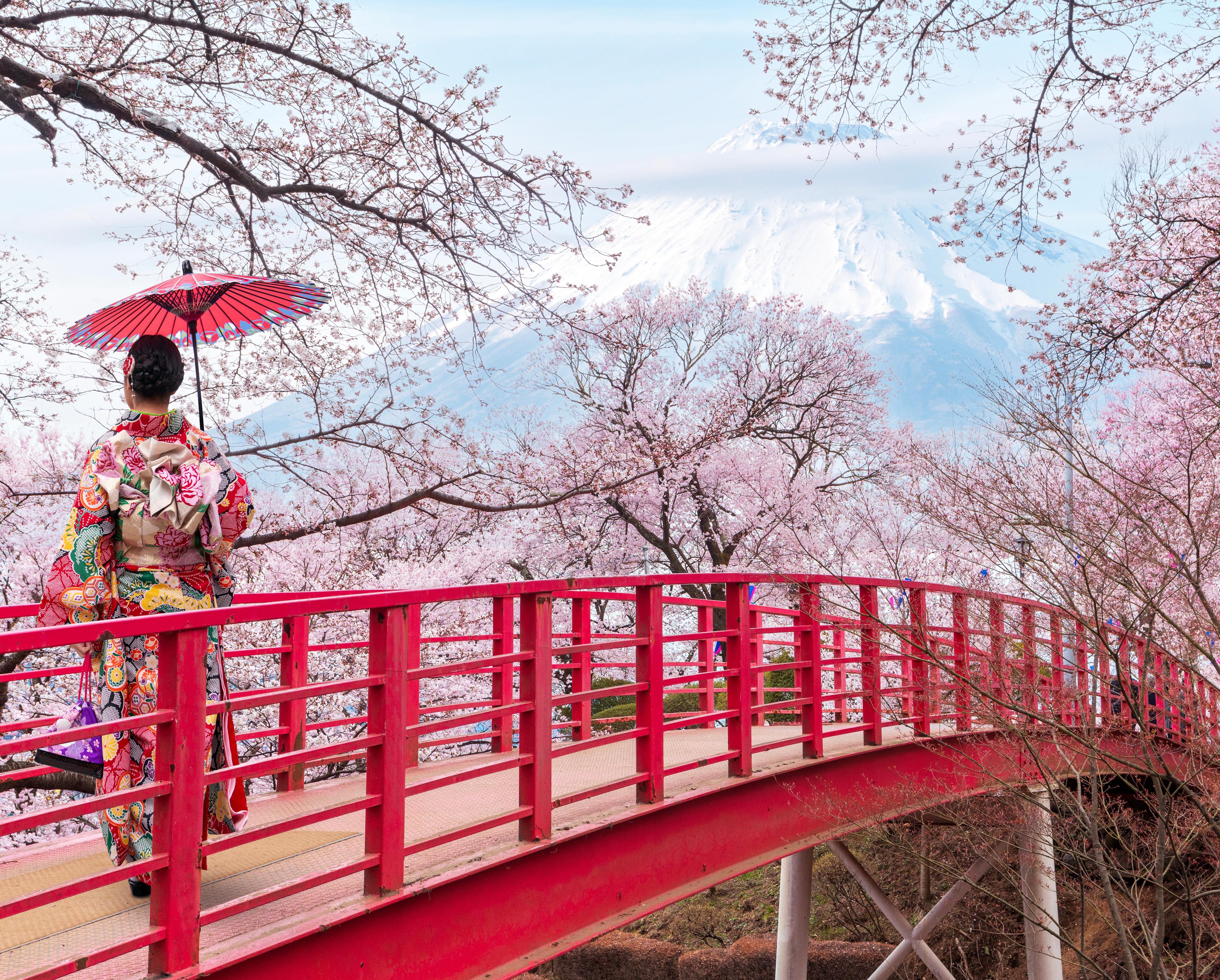
The Timeless Tales of Asia
Asia is an incredible continent, full of delectable flavors and dazzling experiences. Join us to discover a tantalizing region of past, present and future.
The historical and cultural significance of Sakura season
Travelers seeking out a cruise to Japan surely have a few questions stowed away. When is cherry blossom season in Japan? What is a hanami blossom? For how long have these trees adorned the country? But one of, if not the most important, questions to answer is why the Sakura season is significant in the first place.
Sakura, or cherry blossoms in Japan, carry cultural weight that every visitor should understand before they arrive in the spring. For thousands of years, rice farmers would align their planting with the blooms. Practicing the Shinto religion, these agriculturists saw nature as both sacred and divine — in fact, experts believe that the word “Sakura” comes from “Sagami,” a deity of rice fields, and “kura,” which means “vessel.” For anyone part of the indigenous belief system, this would make the cherry blossoms the home of the rice field god.
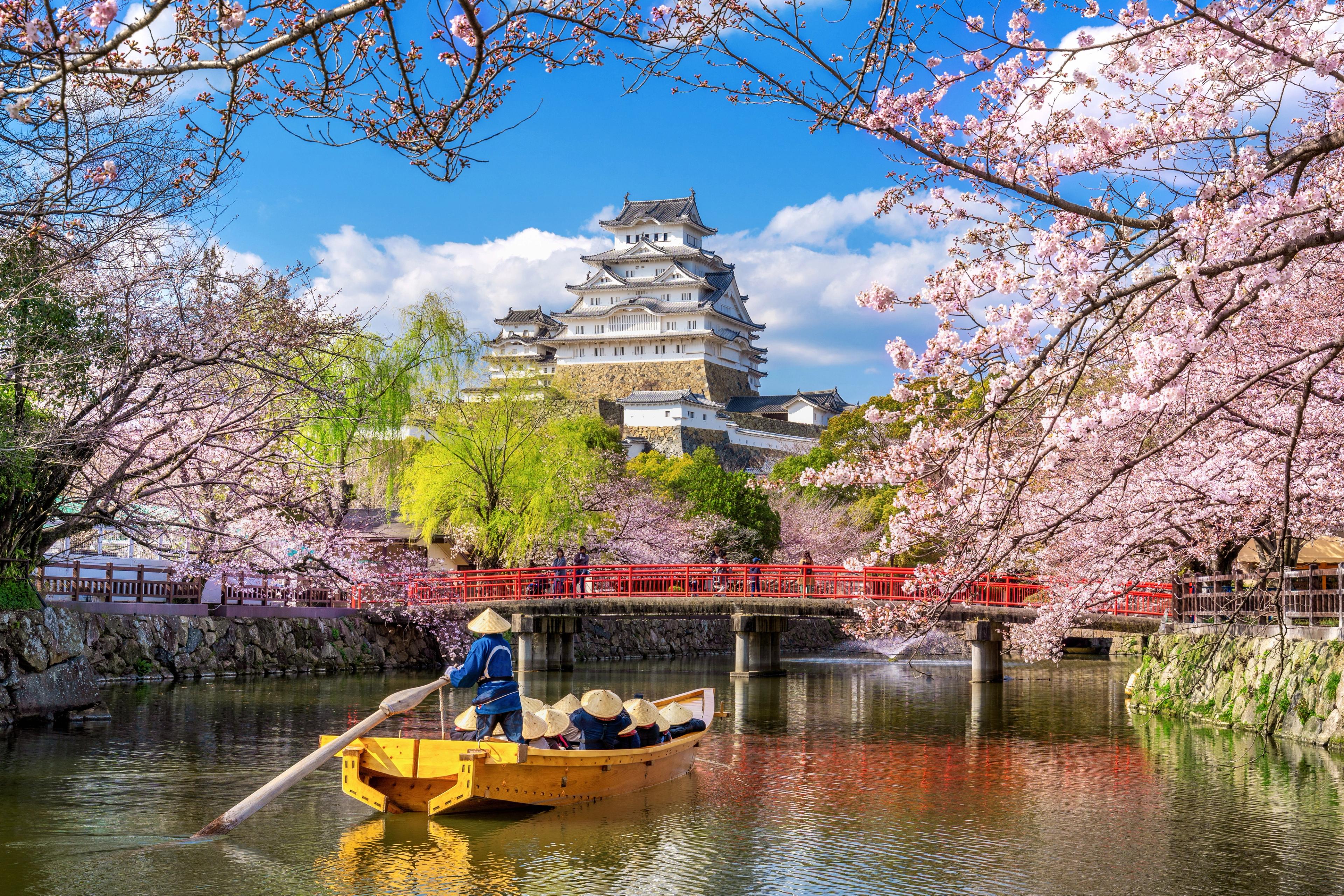
By the 8th century, hanami, or blossom viewing, was a beloved seasonal tradition. The ancient Tokyo Sakura would draw in people from across the region, who would bring picnics, make art, and enjoy the flowers en masse. Meanwhile, Kyoto Sakura was a favorite for the upper class after Emperor Saga invited aristocrats to the Jishu Shrine cherry trees in 812 A.D. Pretty soon, blossoms mushroomed across noble gardens. It was at this point that plum blossoms, a favorite across the water in China, were officially surpassed in popularity.
Poetry, art, and long-form literature during the Heian Period embraced hanami and the nighttime version of it (“yozakura”), making Japan’s cherry blossom season a creative outlet. These works tied the flowers to themes such as beauty, youth, and romance. By the 12th century, Kamakura Period aristocrats and warriors claimed Sakura as their own. It even became popular for lords and military upper-classmen to host hanami as showcases of their status, riches, and power. These gatherings included activities like sake drinking, tea ceremonies, plays, and poetry — even though the more romantic framing of Japanese cherry blossoms had been exchanged in favor of wealth and class-signaling, romantic themes were still associated with the blooms.
By the early 17th century, when Tokugawa Ieyasu united Japan as shogun, the country enjoyed a few hundred years without war. Trade thrived, enabling other classes to take part in pastimes that are less utilitarian, more artistic, and inherently leisurely — like hanami and planting Sakura in their gardens. This is reflected in the creative works produced at the time (the Edo Period — “Edo” was Tokyo, which became the capital under the aforementioned shogun), like prints made using Japanese mountain cherry woodblocks. For example, “Fuji from Gotenyama at Shinagawa on the Tōkaidō” from the “Thirty-six Views of Mount Fuji” art series, shows picnickers participating in hanami with a striking Mt. Fuji behind them. Today, it’s one of the most recognized Japanese art pieces, and arguably, is part of the most famous Ukiyo-e style woodblock print series of all time.
Before the end of the Edo Period, those in power were planting Sakura in public spaces, allowing anyone to participate in hanami and yozakura, regardless of their access to a garden. This legacy continues, with many of the specific wild cherry blossom groves still standing across Japan. And while the Sakura has danced between serving as a militaristic symbol, a diplomatic tool, and a solution to covering up war-related land scarring throughout the 19th and 20th centuries, it’s their beauty that they are continually known for.
Today, people around the world dream of seeing the flowering trees in the Land of the Rising Sun for themselves. Those who journey to Japan with Silversea in the springtime get to do so.
Where to see the best cherry blossoms in Japan
Knowing the answer to “When is Japan's cherry blossom season?” is just one piece of the puzzle. Understanding where you can see “mankai,” or the peak bloom that occurs a week after “kaika” (when the first flowers open), is just as essential.
In Japan, Sakura blooms from south to north. The trees in Fukuoka, for example, bloom from late March to early April. Up in Hakodate, this occurs in early May. And across these regions, there are absolutely stunning locations in which to enjoy the flowers. But, the best places to see cherry blossom trees offer plentiful Sakura, hanami-friendly spaces, beautiful views, and plenty of things to do around the area.
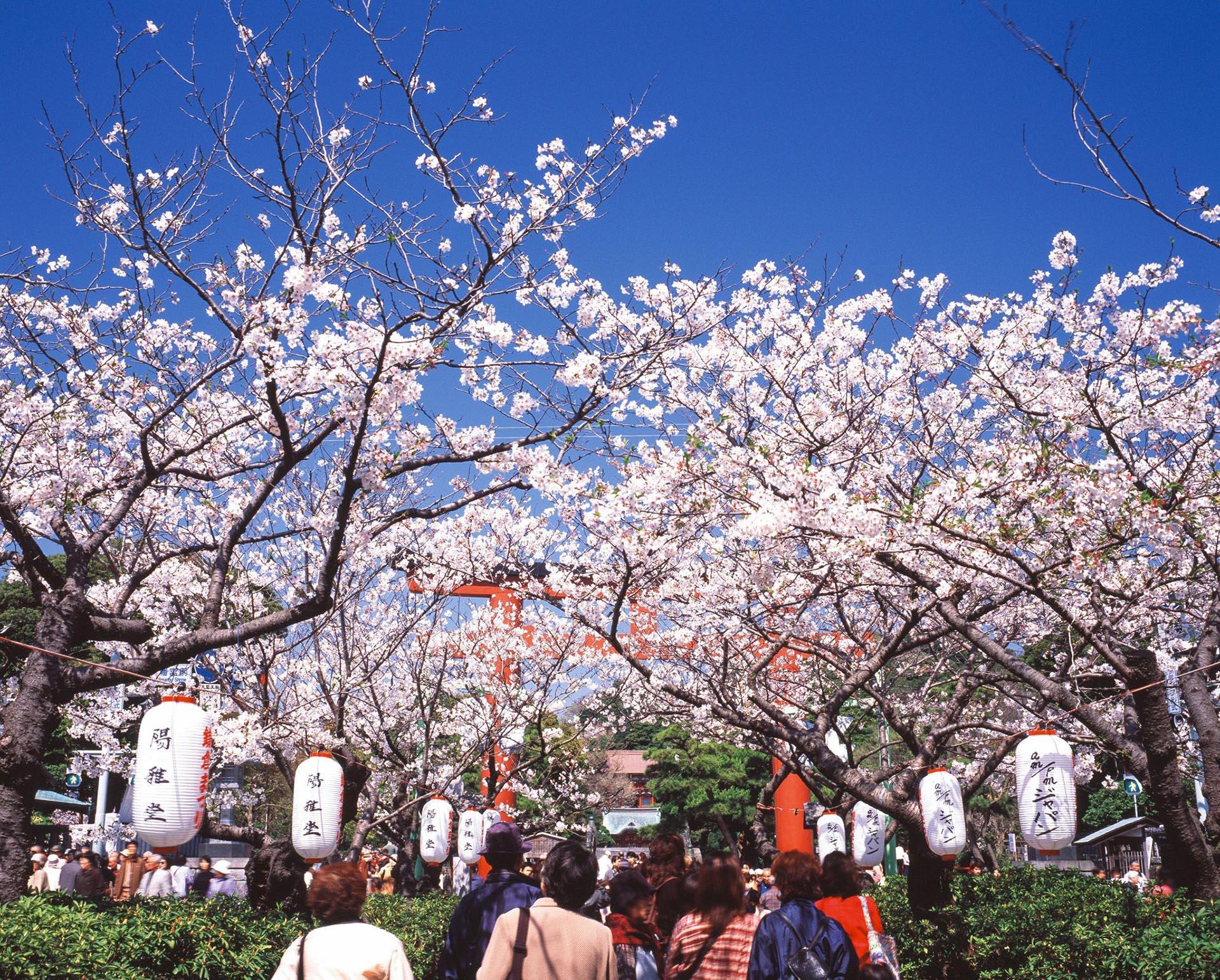
In the south, Fukuoka is a must-visit thanks to massive groves, historic shrines, and blooming public spaces. Head to Maizuru Park to see the thousand trees that erupt in pink and white every cherry blossom season in Japan. The Edo Period ruins of Fukuoka Castle add a level of mystery and timelessness that makes for striking photos. Walk the paths through the tree tunnels, practice hanami on the lawns, and, after, do some wandering through the surrounding city streets to secure some authentic Japanese sushi. For yozakura, Atago Shrine, located 10 minutes east of Meinohama Station on foot, is serene. Lights illuminate the trees at night, the Hakata Bay vistas are jaw-dropping, and the shrine setting bathes the grove in peace.
Hiroshima offers a great opportunity for photographers, from the torii-gated shrine on the pink tree-peppered Miyajima island to the hundreds of cherry blossoms that adorn Hiroshima Castle. Here, history and nature marry for a photogenic and memorable hanami destination.
Nearby in Osaka, the cherry blossom season setup is similar. Osaka Castle, for instance, features 4,000 trees all around it. Bring a picnic and camp out on the grass below the blooms for the full experience. Fans of yozakura should fit in Expo 70 Commemorative Park as well — at night, the more than 5,000 cherry trees light up.
Kyoto, the ancient capital of Japan, delights with zen-infused hanami opportunities. Walk from Daigoji Station for 15 minutes to reach Daigoji Temple, the site of 16th-century hanami banquets. After, come to the Philosopher's Path, where hundreds of Sakura trees stretch between the Nanzenji and Ginkakuji temples along a canal. At night, practice yozakura at Maruyama Park by the Yasaka Shrine. Make sure not to miss the massive weeping cherry tree at the heart of the space, as it glows every evening. If a boat ride sounds enticing, head toward the Heian Shrine and drift on the Okazaki Canal below the illuminated Sakura branches.
Between taking part in the ancient tradition of Japanese onsen and sightseeing in Tokyo, travelers should slot in time for hanami. Shinjuku Gyoen, a 10-minute stroll from Shinjuku Station, is famously gorgeous. Over a thousand fragrant Sakura trees blanket the park in pink and the vanilla-adjacent scent. This is also an ideal spot for those coming before or after mankai, since the presence of multiple tree species makes for maximum bloom time across the space.
As for yozakura, visit Tokyo’s Nakameguro Sakura Festival, a popular cherry blossom festival in Japan, to see the Meguro River canal Sakura lit up at night. Above Oji Station, meanwhile, Asukayama Park illuminates its hundreds of cherry blossoms on the hill. Sumida Park (beside Asakusa Station) and Chidorigafuchi (by Kudanshita Station) are both very popular yozakura choices as well, and offer boat rides, massive trees, and nearby food stands.
Cruise to Japan for peak cherry blossom season
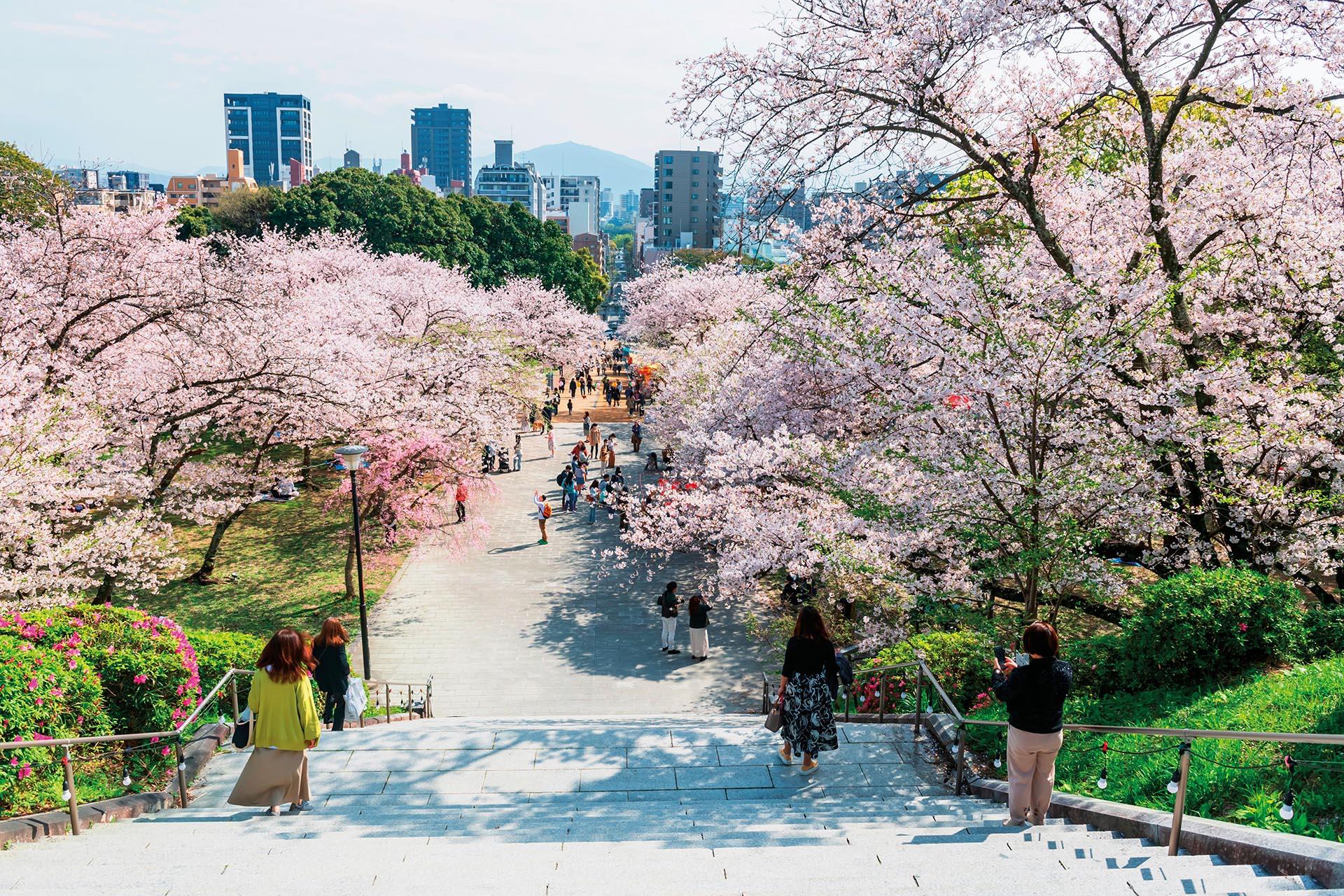
There’s something special about taking a luxury cruise to Japan for cherry blossom season. Silversea guests can visit multiple blooming spots in the same trip, without needing to make the drive.
Unique views from the water add to the draw, as well as perks specific to the onboard experience. Imagine wandering beneath clouds of pink and white all day before feasting on stunning dinner dishes and watching the stars slip by from your private balcony. Paired with the access to experts, planning assistance, and in-suite comforts, it’s cherry blossom season in Japan at its most plush and pampered.
Amongst Kyoto sakura or viewing blooms within Japanese zen gardens in the north, travelers should ensure that they’ve packed a good camera, comfortable walking shoes (ideally, waterproof), a trench coat or warm jacket, and clothing layers that are complementary to the blossom colors. And it’s key to abide by local customs — never touch or shake the trees, pay attention to the signage, and keep noise levels down.
That said, make sure to mingle with locals and ask them about their favorite memories of cherry blossom season in Japan. Speaking to those who live there is the best way to understand and get immersed in a destination. But if you’re at a hanami park, secure your spot first and lay out picnic blankets, snacks, and non-alcoholic beverages early (remember to clean up after). The best places to see cherry blossom trees can get crowded quickly, so timing and proactively picking a place to sit are essential.
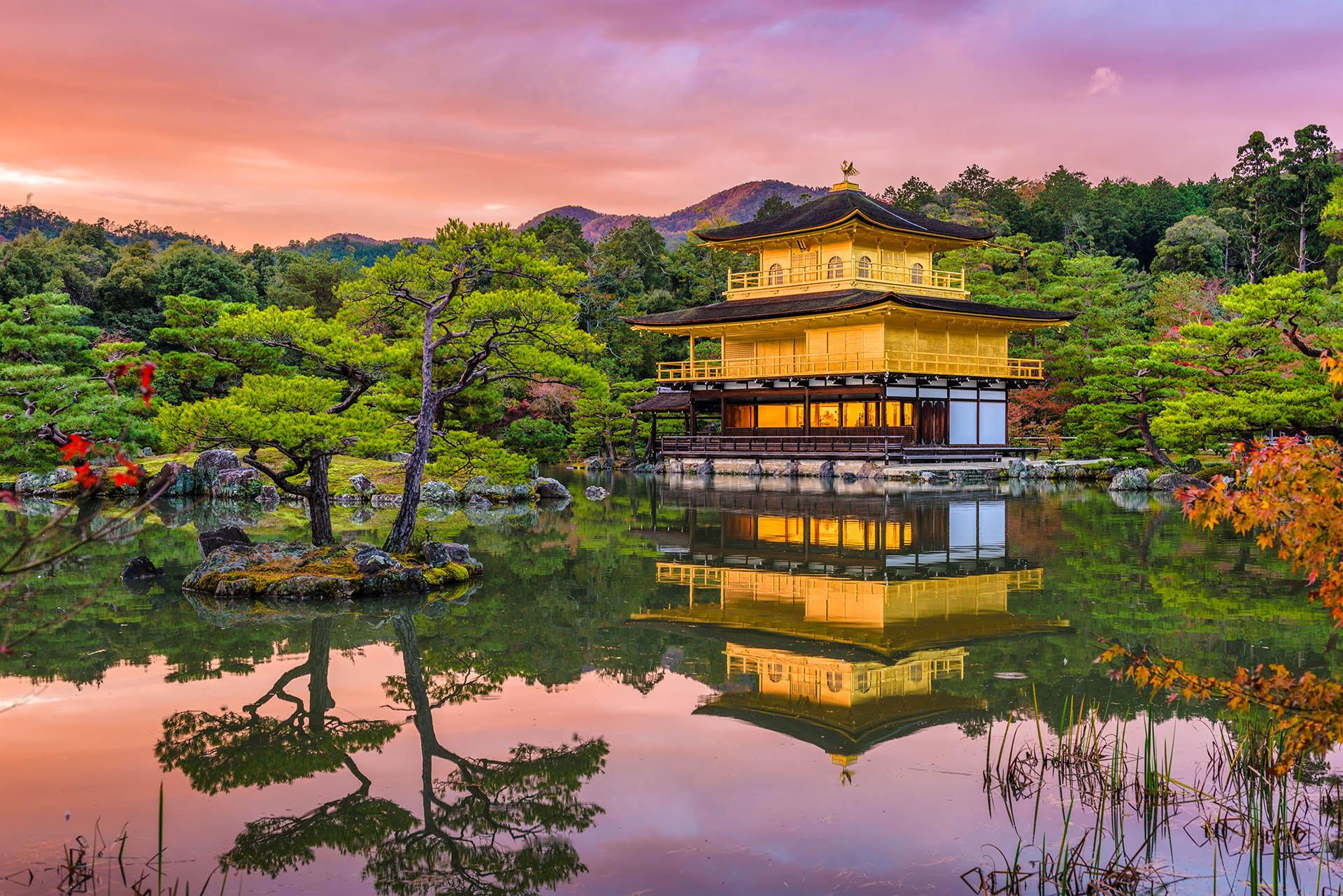
From sea to seed: Discover Sakura season in Japan
The Land of the Rising Sun offers immersive beauty, nature, and ancient traditions. And, every spring, cherry blossoms enter the mix. With Silversea, you can soak it all in for yourself, just as the people of Japan have done for thousands of years. So, here’s to wandering beneath canopies of pink, watching delicate flowers drift in the wind, and lingering amongst the scent of famously fragrant trees. Here’s to discovering the true peace of Mother Nature.
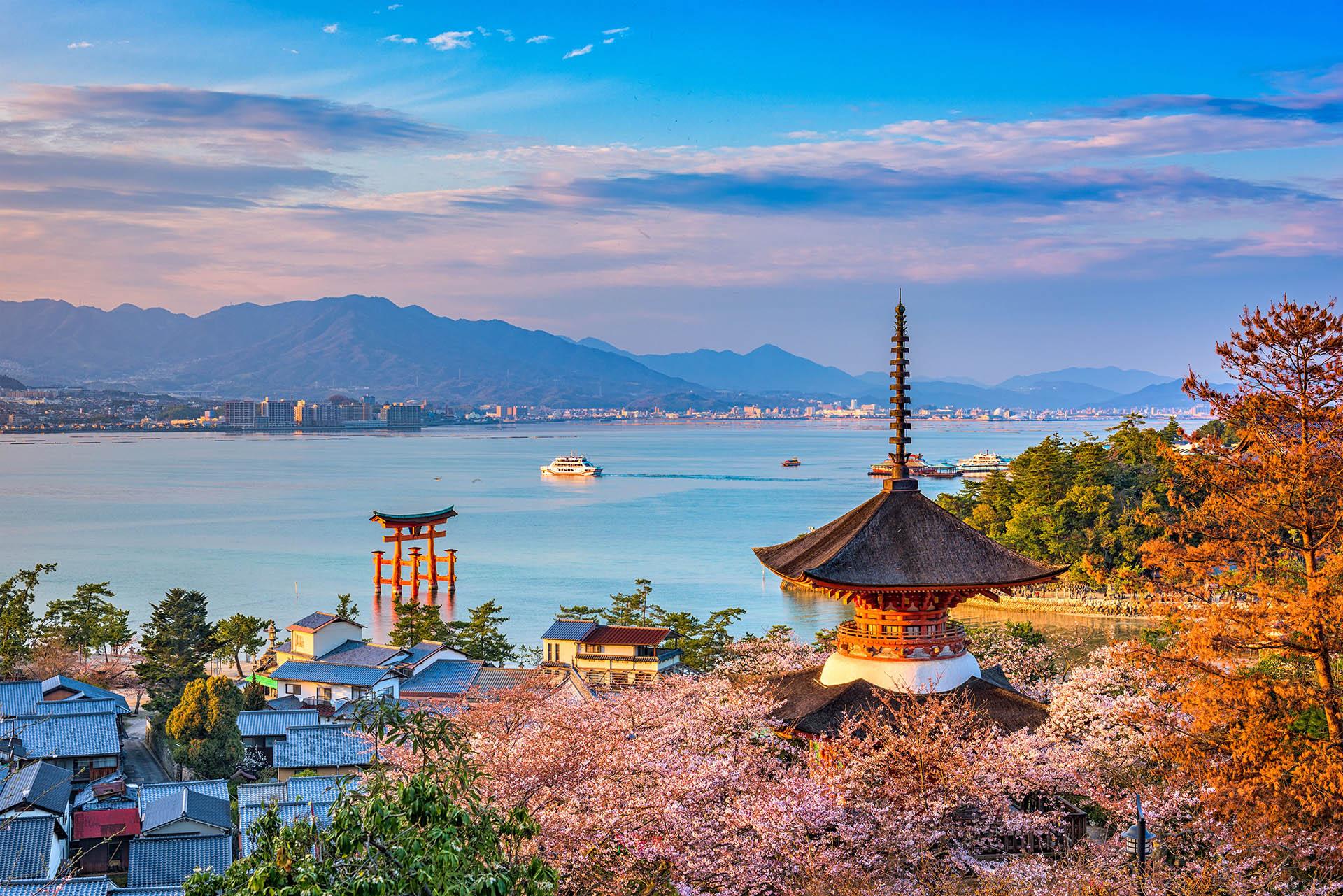
Discover luxury cruises to Japan during cherry blossom season and embrace the magic of Sakura.