What Is Namibia Known For?
- Published on
- Author
- Reading time
- 6 mins
Namibia is known for its otherworldly landscapes, rare desert-adapted wildlife, and ancient cultural heritage. Namibia is one of the most visually dramatic countries in the world. Towering sand dunes meet rugged coastlines, and timeworn canyons stretch endlessly toward the horizon. From the eerie beauty of the Skeleton Coast to the sweeping plains of Etosha, this is a land of extremes. It invites travelers into a world where silence speaks louder than words, and nature feels untouched by time.
Here are the top 10 things Namibia is known for.
1. Sossusvlei and the Namib Desert
Hear the call of the wild
Sculpted sand dunes, dazzling white beaches, wonderful wildlife and crystal-clear seas are just the start of this epic region.
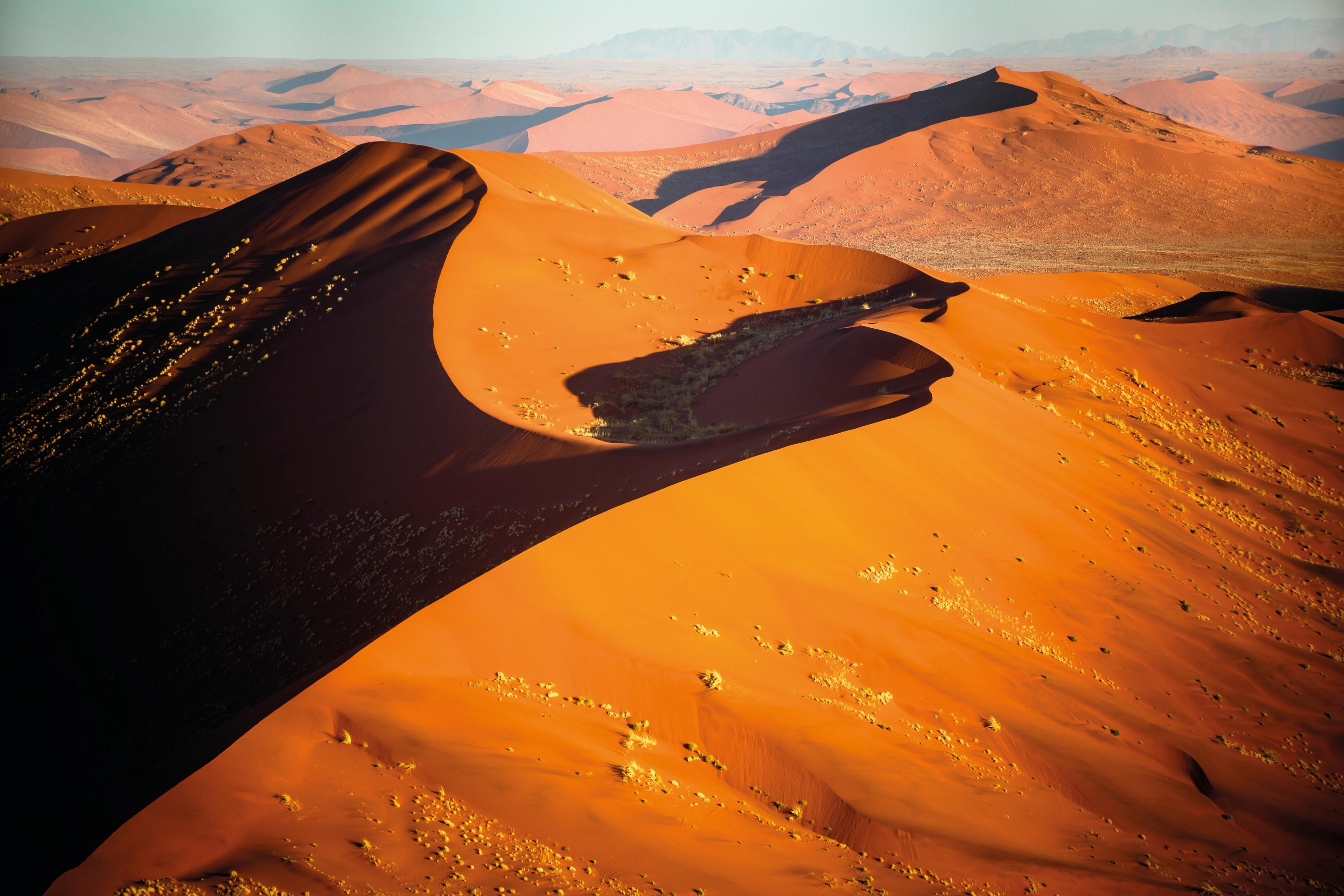
Namibia is perhaps most famously known for the towering red sand dunes of Sossusvlei, located within the Namib-Naukluft National Park. These are some of the highest dunes on Earth, with Dune 45 and Big Daddy rising over 300 meters. As the sun rises, the sand glows with deep orange hues, casting long shadows across the surreal, salt-crusted pan below. It’s a place where every photograph feels like a painting and every footstep sinks into millennia of desert history.
2. The Skeleton Coast
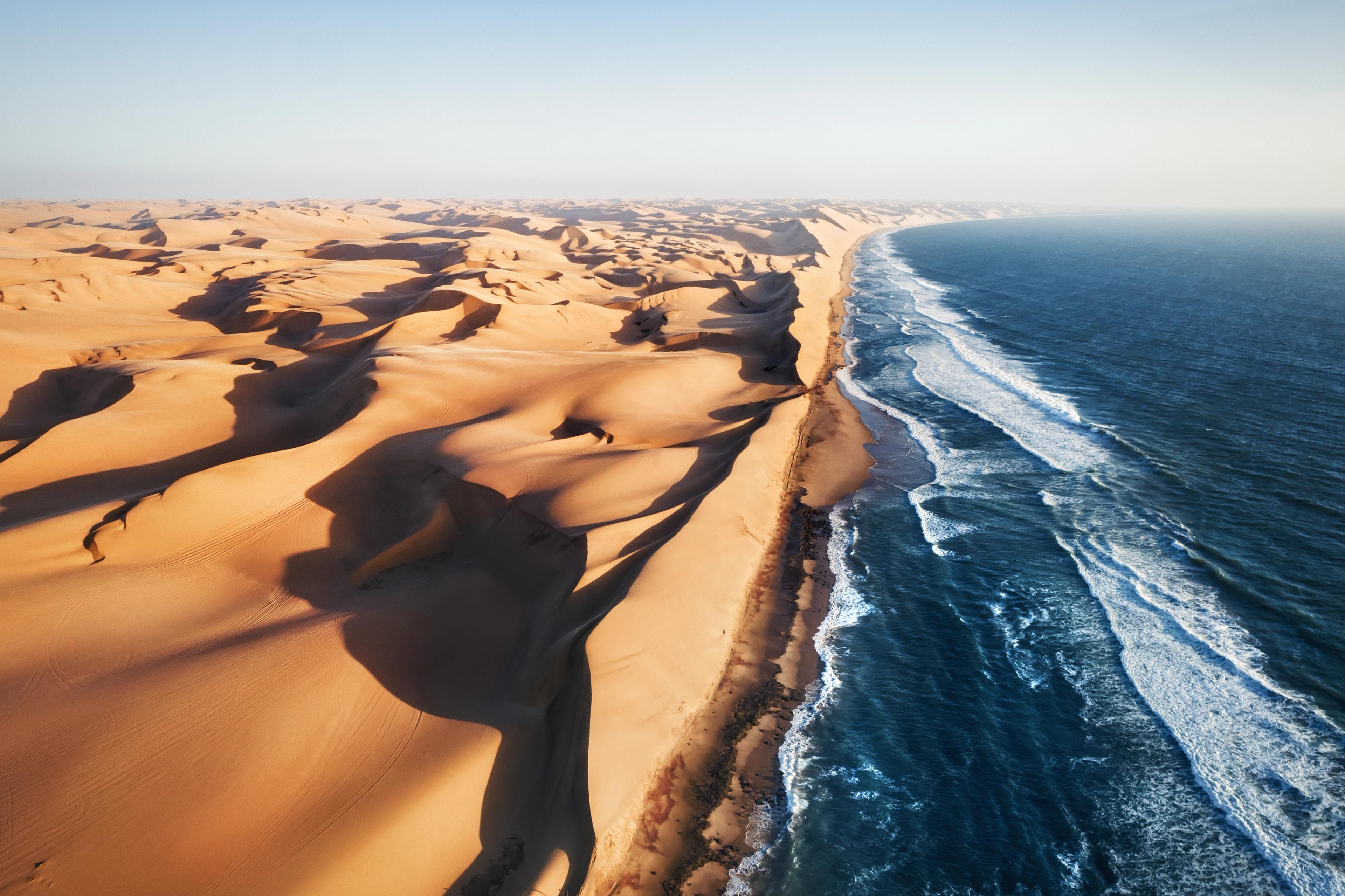
Stretching along Namibia’s Atlantic edge, the Skeleton Coast is a place of haunting beauty and maritime mystery. This remote coastline is famous for its shipwrecks, scattered whale bones, and fog-laced shores. It is one of the most desolate and evocative places on the planet. What makes it unforgettable is the stark contrast between the roaring ocean and the endless desert beyond, creating a sense of solitude that few places in the world can replicate.
3. Etosha National Park
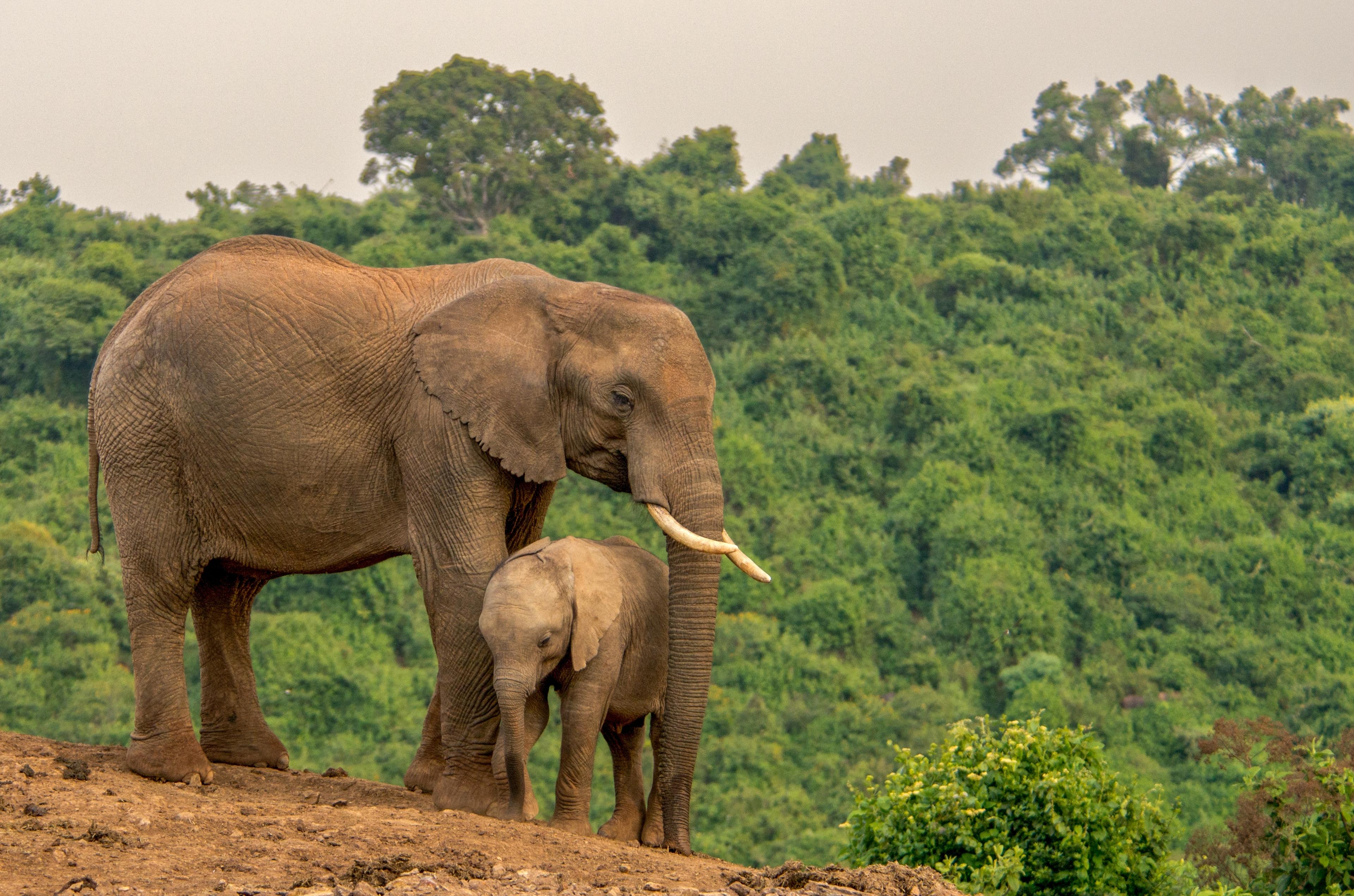
One of Africa’s greatest wildlife reserves, Etosha is known for its vast salt pan, open savannahs, and striking white landscapes. Unlike denser bush environments, Etosha’s flat terrain offers extraordinary visibility for spotting elephants, lions, rhinos, giraffes, and antelope as they gather at waterholes. Namibia is one of the best places to see endangered black rhinos, and Etosha is at the heart of that conservation success story.
4. Desert-Adapted Wildlife
Namibia is famous for its uniquely adapted wildlife that has evolved to survive the desert’s extremes. From the elusive desert elephants of Damaraland to Hartmann’s mountain zebras and oryx with their dramatic horns, these species thrive in conditions that seem almost inhospitable. Even lions roam these arid regions, relying on ancient instincts and vast home ranges to survive. Seeing these creatures in such an unexpected habitat adds a layer of wonder to any safari.
5. The Himba People and Cultural Traditions
In the northwest regions of Namibia, the Himba people have preserved a way of life that stretches back centuries. Known for their striking ochre-colored skin and traditional hairstyles, the Himba remain semi-nomadic and deeply connected to their ancestral lands. Visitors who respectfully engage with Himba communities gain insight into customs, beliefs, and traditions that are woven into Namibia’s cultural fabric.
6. Swakopmund’s Coastal Charms
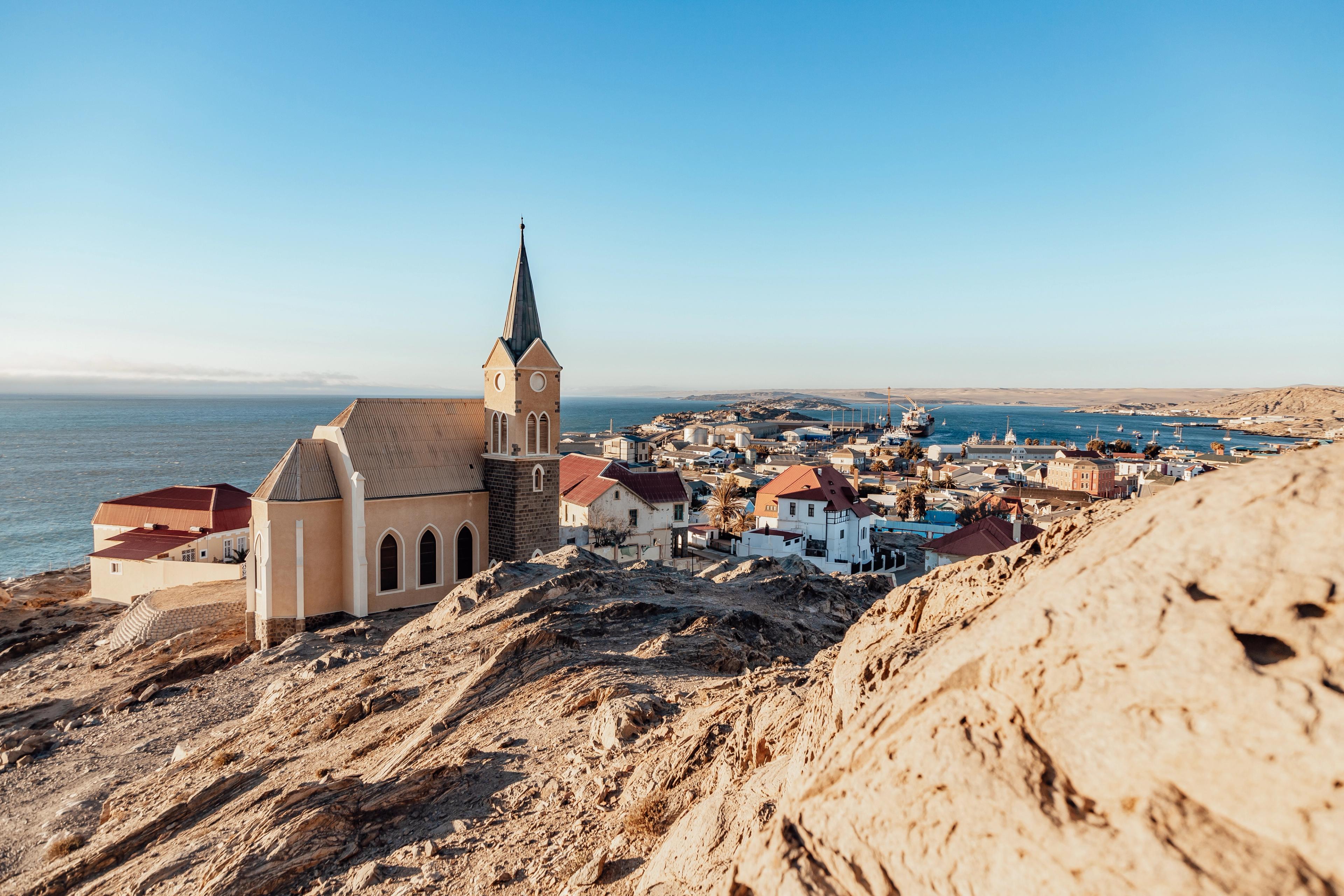
Swakopmund, a laid-back German-influenced town on the Atlantic coast, is known for its colonial architecture, seafood restaurants, and adventure sports. Its pastel-colored buildings and palm-lined streets feel distinctly European, yet the surrounding dunes remind you that the desert is never far away. Swakopmund is also a launch point for excursions like dune boarding, quad biking, and marine safaris.
7. Deadvlei's Surreal Beauty
Within the Namib-Naukluft Park lies Deadvlei, a white clay pan surrounded by rust-red dunes and dotted with blackened camel thorn trees. These trees died over 600 years ago but remain standing, preserved by the dry climate. The scene is so stark and painterly it resembles an oil painting come to life. Deadvlei has become a symbol of Namibia’s surreal beauty and its capacity to astonish even the most seasoned traveler.
8. Stargazing Under Africa’s Clearest Skies
With its minimal light pollution and cloudless skies, Namibia is famous for world-class stargazing. From the Kalahari to the Namib, the desert nights reveal the Milky Way in brilliant clarity. Some lodges even offer outdoor “star beds,” where guests can fall asleep under a tapestry of stars. For astronomers and romantics alike, this celestial display is one of Namibia’s most magical experiences.
9. Fish River Canyon
Often compared to the Grand Canyon, Namibia’s Fish River Canyon is one of the largest in the world and is known for its dramatic cliffs, rugged trails, and sheer scale. Carved over hundreds of millions of years, the canyon winds for over 100 miles through the southern desert. It’s a haven for hikers and those who find beauty in raw geological power and deep time.
10. Adventure and Solitude
Namibia is known not just for its landscapes and wildlife, but for the sense of space and stillness it offers. It is one of the least densely populated countries on Earth, meaning that much of your journey may be spent in silence, with only the wind and the occasional cry of an oryx for company. Whether driving along endless gravel roads or standing atop a dune with no one else in sight, the solitude becomes part of the allure.
Discover Namibia on a Silversea Cruise
Namibia is a land that unfolds gradually, with its sandy and stony textures, whispers carried by the wind, and serene encounters with ancient cultures and wild, untouched nature. It is both striking and serene, perfect for those drawn to places where the Earth still feels wild.
Begin your journey with a Silversea Africa Cruise, where each curated experience draws you closer to the beauty and stories of Namibia. From the haunting Skeleton Coast to the glowing dunes of Sossusvlei, Namibia offers discovery in its purest form.