The Best Time to Visit Antarctica
- Published on
- Author
- Reading time
- 7 mins
Antarctica is unlike anywhere else on Earth — a pristine wilderness of ice, towering glaciers, and wildlife found nowhere else. With no permanent population and a brief visitor season, timing is everything when planning a journey to the White Continent. The best time to visit Antarctica is between November and March, when ships can navigate the icy waters and guests can experience the raw beauty of this extraordinary place.
Best Time to Visit Antarctica by Month
The closest thing on Earth to another planet
A trip to Antarctica is on every travel lover’s wish list. Join us as we explore the legendary white landscape of elemental forces that is home to so much wildlife.
Deciding when to travel to Antarctica is all about timing. The season is short, running from November to March, and each month offers something distinct. November opens with pristine ice and dramatic light, December and January bring long days and bustling penguin colonies, February is peak whale season, and March closes with quiet beauty and golden sunsets. This month-by-month guide helps you choose the best time for your Antarctic expedition.
November – Early Summer Awakening
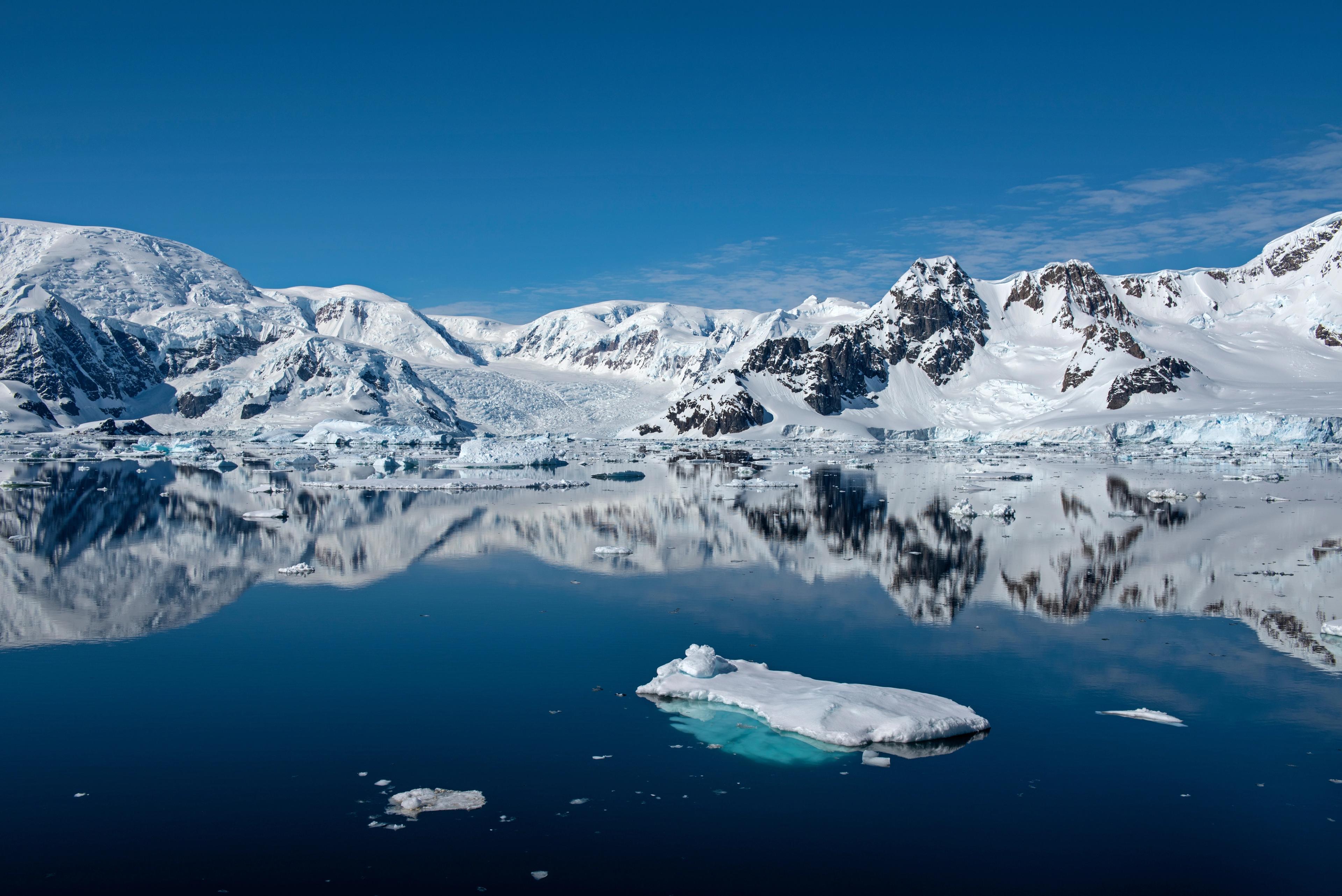
As the austral summer begins, Antarctica reemerges from the long, dark winter. Sea ice begins to break, opening up access for the first expeditions of the season. Landscapes are at their most pristine, with untouched snow blanketing the terrain. The best time to visit Antarctica in November is for photographers and those seeking dramatic, icy vistas.
- Weather: Coldest part of the travel season, 20°F to 30°F (-6°C to -1°C)
- Wildlife: Courtship displays among penguins; elephant seals battling for territory
- Excursions: Zodiac® cruises through newly opened channels; photography-focused Shore Excursions capturing pristine ice and light
December – Peak of Summer
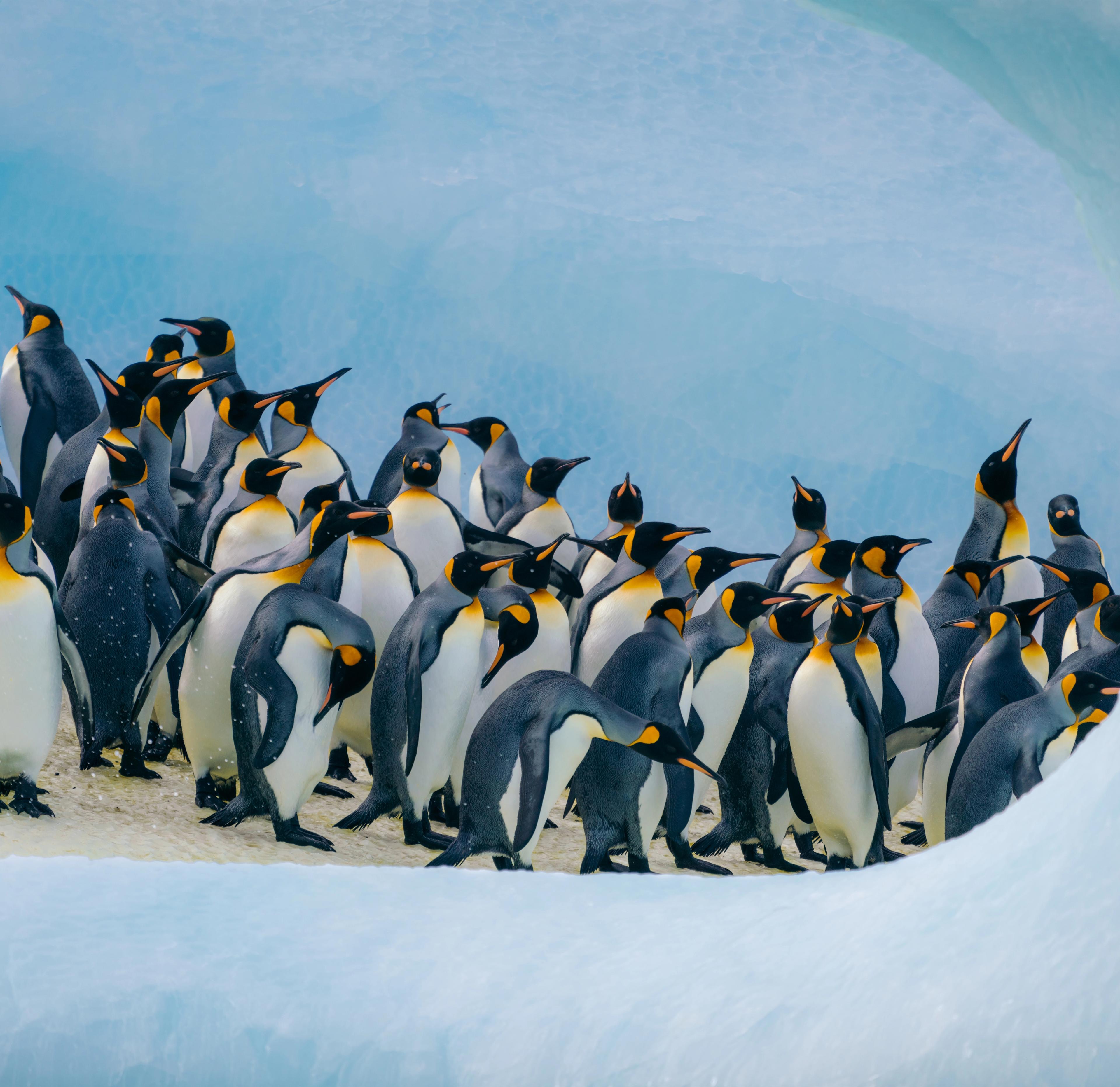
December brings long days and near-constant daylight, with the sun shining up to 20–24 hours a day. This is the most popular time to visit, offering the perfect balance of milder weather and abundant wildlife activity. The best time to visit Antarctica for extended daylight and active penguin colonies is December.
- Weather: Mild for Antarctica, 28°F to 40°F (-2°C to 4°C)
- Wildlife: Penguin chicks hatch; seabird colonies thrive; humpback whales arrive
- Excursions: Visits to penguin rookeries; kayaking between icebergs; hiking on snow-packed trails with expert guides
January – Wildlife at Its Peak
January is the warmest month and the height of wildlife activity. Penguin chicks are active, seals bask on the ice, and whales are more frequently sighted. It’s also the best time for longer Zodiac® landings and hikes, as conditions are at their most stable. The best time to visit Antarctica for diverse wildlife encounters is January.
- Weather: Warmest Antarctic month, 34°F to 41°F (1°C to 5°C)
- Wildlife: Penguin chicks grow rapidly; seal pups emerge; whales actively feeding
- Excursions: Zodiac® landings for close wildlife observation; photography workshops; extended hikes with expedition experts
February – Whale Watching Season
By February, ice recedes further, opening more remote landing sites. This is the prime month for whale sightings, with humpbacks, minkes, and orcas commonly seen. Penguin chicks begin to fledge, offering unique wildlife moments. The best time to visit Antarctica for whale watching is February.
- Weather: Similar to January, 30°F to 37°F (-1°C to 3°C)
- Wildlife: Peak whale activity; penguin chicks fledging; fur seal presence increases
- Excursions: Whale-watching Zodiac® cruises; lectures by marine biologists; visits to research stations and remote islands
March – Quiet Wilderness
March marks the end of the visitor season. Days shorten, temperatures cool, and wildlife prepares for the coming winter. With fewer ships, this is a quieter time to explore. For many travelers, the best time to visit Antarctica is in March, with quiet shores, active whales, and sunsets that bathe the ice in brilliant colors.
- Weather: Cooling, 23°F to 32°F (-5°C to 0°C)
- Wildlife: Penguins molting; whales still active; fewer bird colonies
- Excursions: Zodiac® cruises in near solitude; glacier hikes; photography outings capturing golden light and long shadows
The Best Time to Visit Antarctica on a Cruise
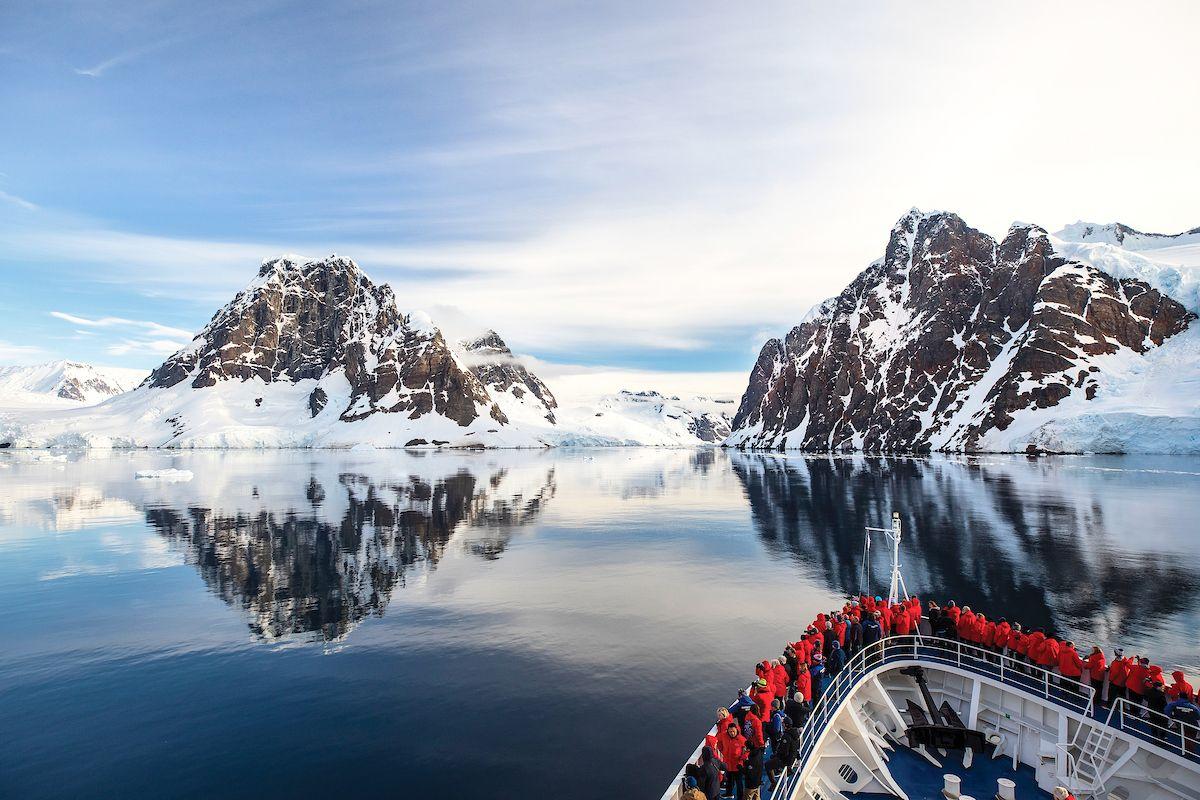
Since every journey to Antarctica is unique, choosing the right time is essential. The best time to cruise Antarctica is December through February, when weather is at its mildest, wildlife is most active, and daylight is nearly endless. Early-season voyages in November offer pristine, snow-covered landscapes, while late-season sailings in March provide fewer visitors and remarkable sunsets.
Silversea gives guests two ways to arrive: either fly directly into Antarctica in just a couple of hours with the Antarctica Fly Cruise, or sail the iconic Drake Passage for the classic sea crossing. Once there, Zodiac® boats are used almost daily to reach remote shores — in fact, many landings are only possible by Zodiac®, bringing guests closer to places few people ever experience.
- December–January: Best for penguin chicks, abundant wildlife, and stable conditions.
- February: Best for whale watching and remote landings.
- March: Best for solitude, dramatic photography, and fewer ships.
Every expedition is guided by experts, ensuring deeper discoveries in one of the most untouched places on Earth.
The Best Time to Visit Antarctica for Wildlife
Antarctica’s wildlife follows a seasonal rhythm, and the timing of your voyage determines what you’ll see. Penguins and whales are the main highlights, but seals and seabirds add to the spectacle too — elephant seals clash for territory in November, fur seals become more visible by February, and migratory birds sweep across the summer skies.
The Best Time to See Penguins in Antarctica
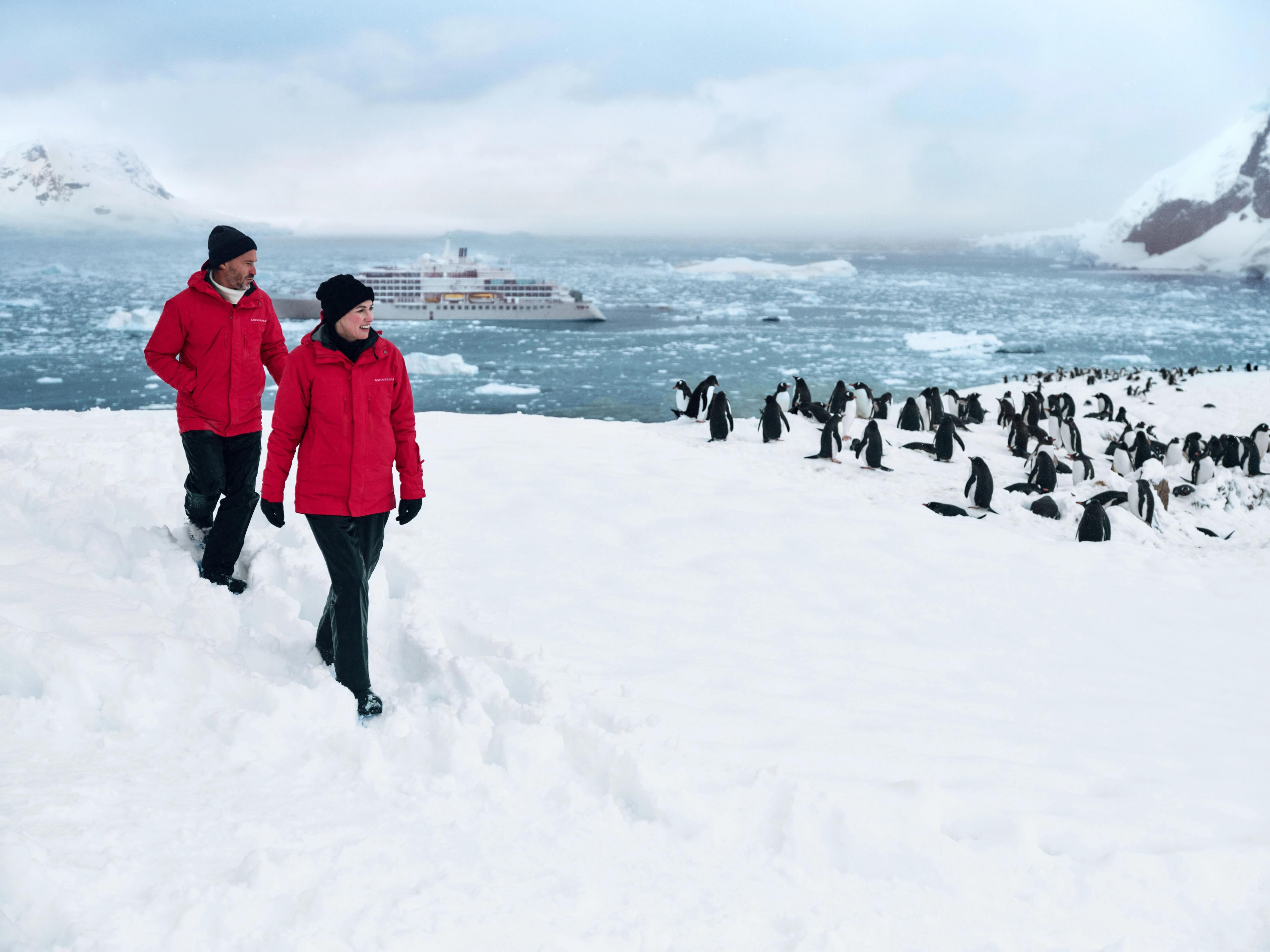
The best time to see penguins in Antarctica is December and January, when colonies are full of life and chicks are hatching. By February, young penguins begin to fledge, creating memorable scenes as they take their first steps toward the ocean. Earlier in the season, November showcases dramatic courtship rituals and nesting behavior, while March brings the sight of penguins molting as they prepare for winter.
The Best Time to See Whales in Antarctica
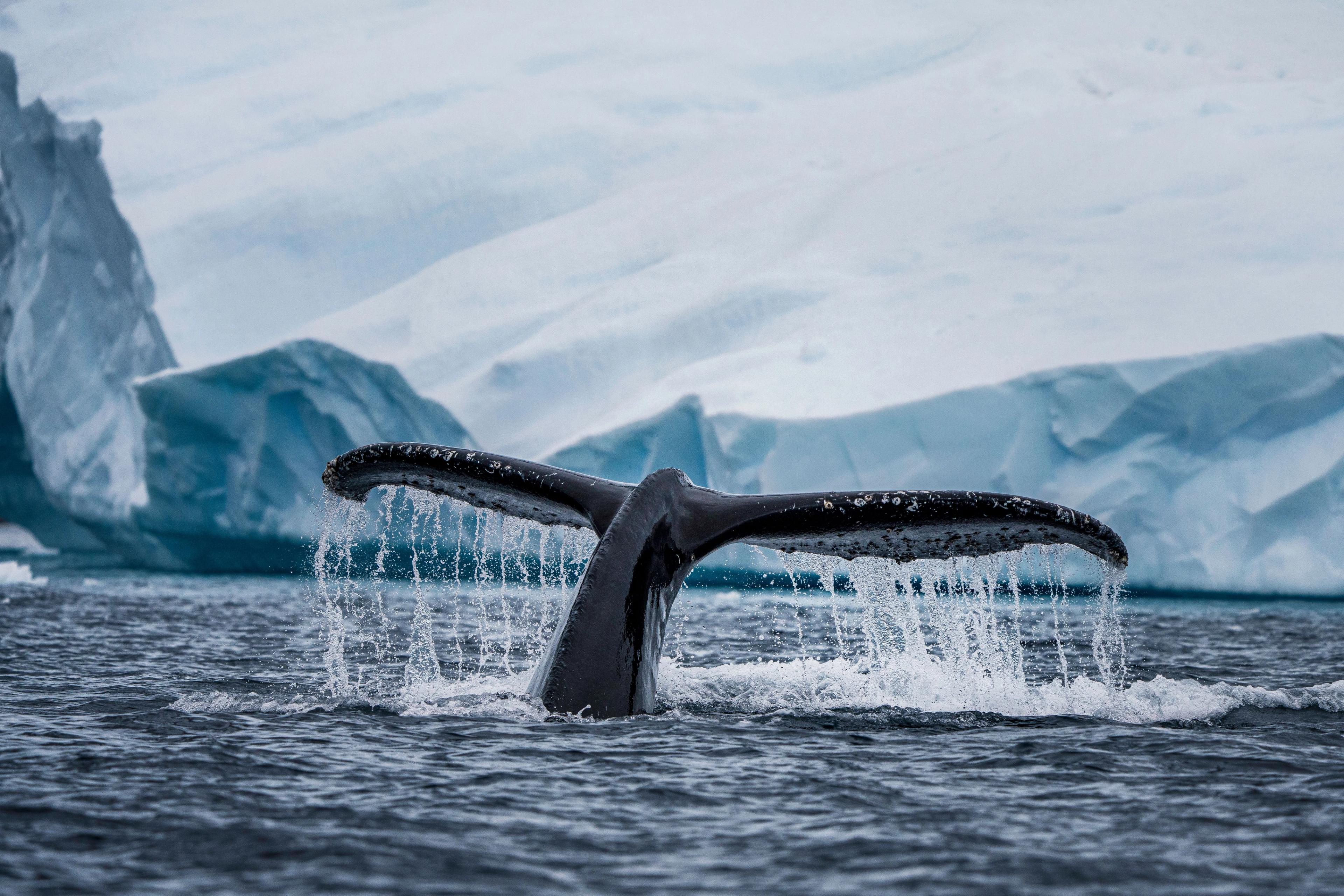
The best time to see whales in Antarctica is February, when humpbacks, minkes, and orcas are especially abundant and active. Whale sightings begin as early as December, but late summer offers the highest concentration of whales feeding near the surface. Spotting a humpback breaching against the backdrop of glaciers is one of the highlights of an Antarctic expedition.
Start Your Antarctica Cruise Journey
Antarctica is a place that feels untouched by time. From Zodiac® landings on icy shores to close encounters with penguin colonies and whales, each moment is as humbling as it is unforgettable. With Silversea’s Luxury Expedition Cruises, you’ll travel aboard ships built for exploration, led by seasoned Expedition Teams, and designed for intimate discovery. Begin your journey at Silversea’s Antarctica Cruises.