Discover What Hiroshima is Known For
- Published on
- Author
- Reading time
- 8 mins
Hiroshima, Japan is known for being a city of profound historical significance, marked forever by the events of August 6, 1945. But in the decades since, it has become equally celebrated for its peaceful resilience, scenic landscapes, and cultural treasures. From moving memorials to culinary specialties and serene islands, Hiroshima offers a layered experience unlike anywhere else in Japan.
Whether you're strolling through peaceful gardens, exploring the legacy of a World Heritage site, or savoring Hiroshima-style okonomiyaki, this city offers a journey of remembrance and renewal. Here are ten distinct things Hiroshima is best known for.
1. Hiroshima Peace Memorial Park and Museum
The Timeless Tales of Asia
Asia is an incredible continent, full of delectable flavors and dazzling experiences. Join us to discover a tantalizing region of past, present and future.
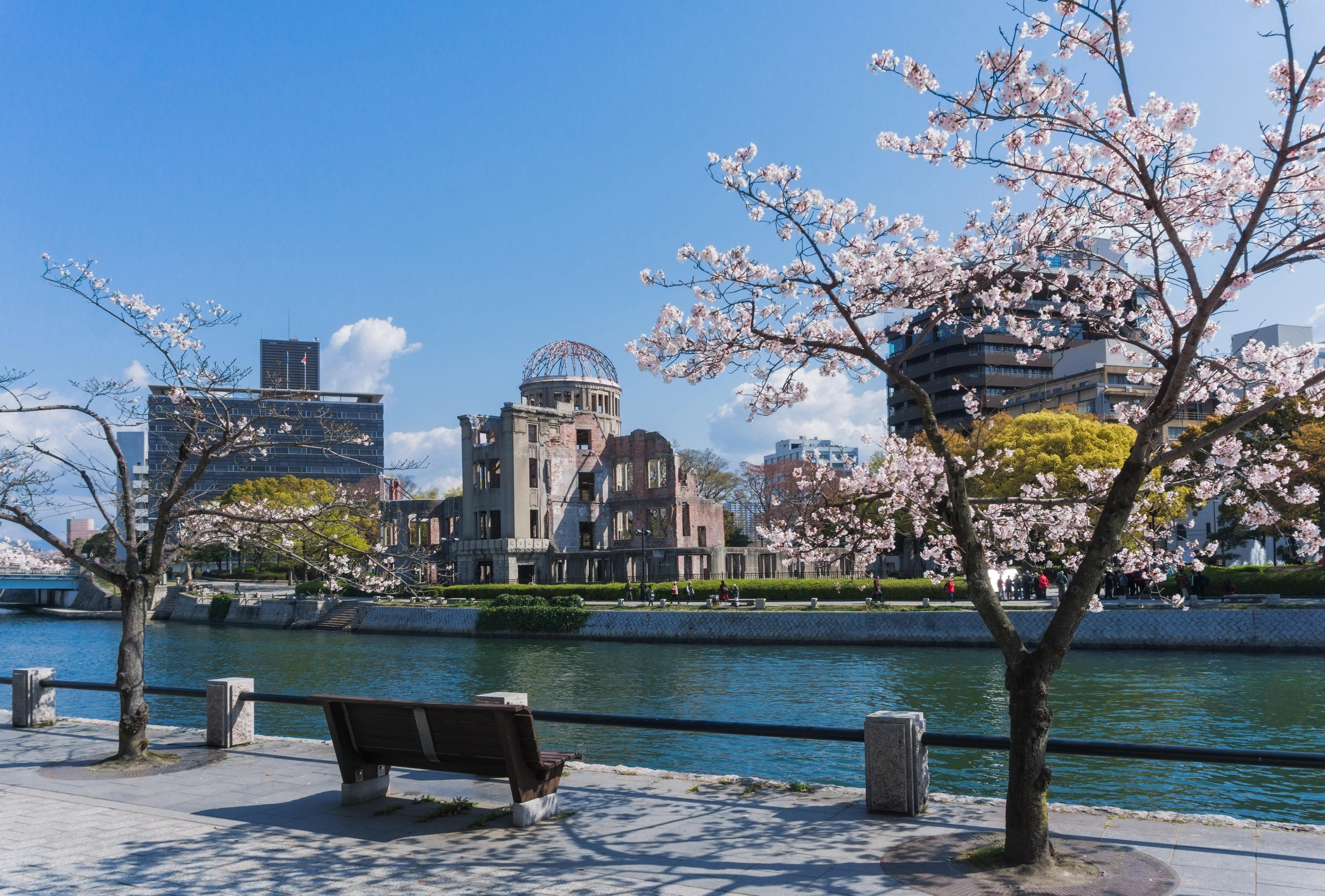
The Hiroshima Peace Memorial Park stands as the city's most famous site. Located near the hypocenter of the atomic bomb blast, this expansive park is home to the Peace Memorial Museum, the Children's Peace Monument, and the Atomic Bomb Dome, a UNESCO World Heritage Site.
The museum’s powerful exhibits tell the story of the bomb’s devastation and the city’s reconstruction. Visitors leave with a deeper understanding of Hiroshima’s plea for peace and nuclear disarmament. The surrounding park, with its tranquil pathways and reflective atmosphere, honors the lives lost and symbolizes hope for a better future.
2. Atomic Bomb Dome (Genbaku Dome)
One of Hiroshima's most iconic landmarks, the Atomic Bomb Dome is the skeletal remains of the former Industrial Promotion Hall. Preserved exactly as it was after the bombing, the structure stands in solemn remembrance. It has become a global symbol of resilience and one of the most photographed and emotionally impactful places in Japan.
This UNESCO-designated site is not only historically significant, but it also invites contemplation about the enduring impact of war and the strength of the human spirit to rebuild.
3. Itsukushima Shrine on Miyajima Island
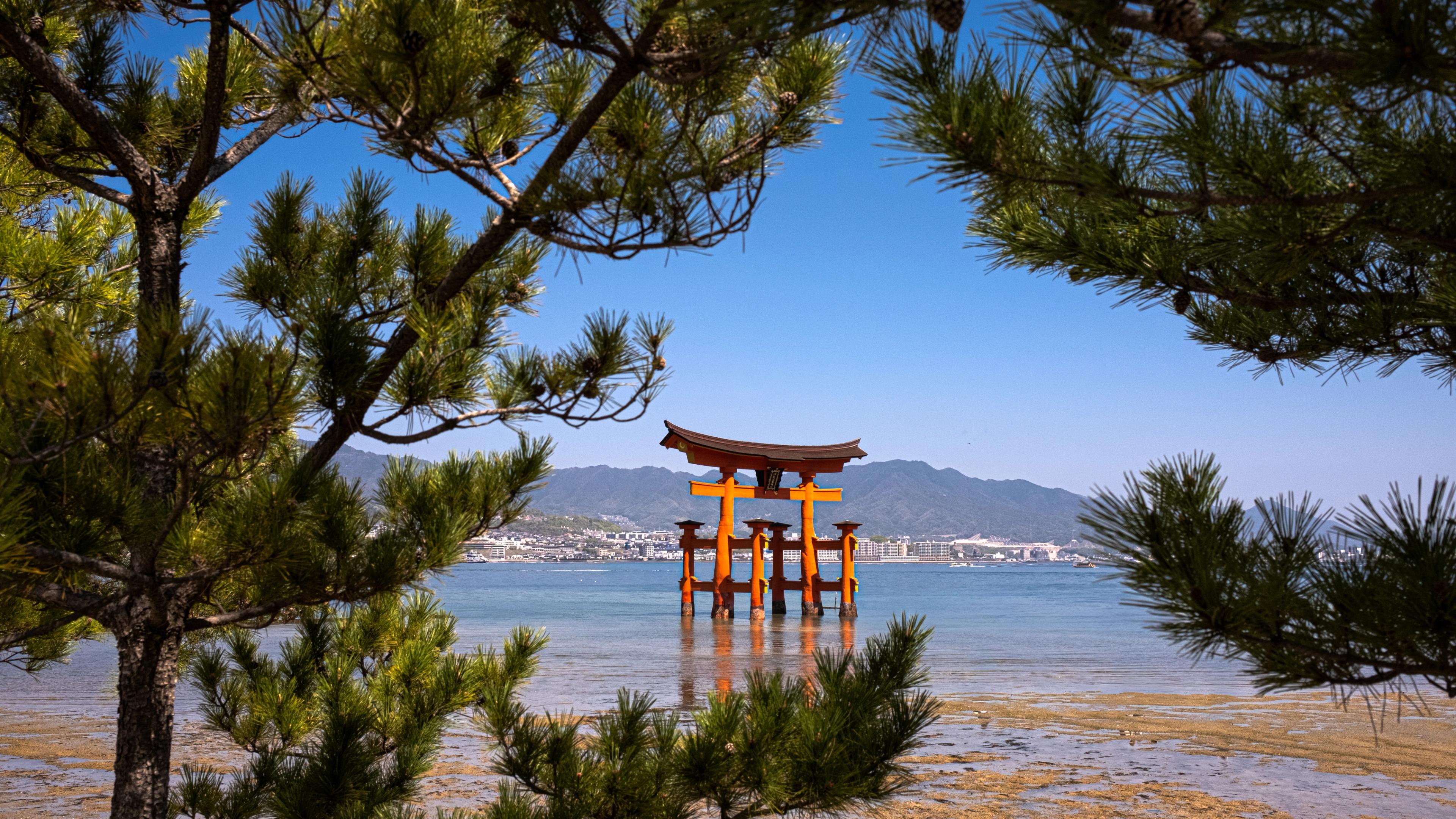
Just a short ferry ride from Hiroshima lies Miyajima Island, famous for the floating torii gate of Itsukushima Shrine. The vermilion gate, appearing to float during high tide, is one of the most recognizable and revered sights in Japan.
This UNESCO World Heritage Site blends Shinto spirituality with natural beauty. Visitors can explore forested trails, friendly deer, and the shrine’s elegant, over-water architecture. Miyajima is also known for its views of Mount Misen and its peaceful, car-free village atmosphere.
4. Hiroshima-Style Okonomiyaki
Hiroshima is known for its distinct version of okonomiyaki, a savory pancake layered with cabbage, noodles, seafood or pork, and topped with a rich sauce. Unlike the Kansai version, Hiroshima okonomiyaki is assembled rather than mixed, resulting in a dish with defined textures and bold flavor.
Okonomimura, a multi-floor building dedicated entirely to okonomiyaki vendors, is a must-visit for food lovers. The experience of sitting at a hot grill while chefs prepare your dish in front of you is as memorable as the taste itself.
5. Shukkeien Garden
Originally built in the 17th century, Shukkeien Garden is a peaceful oasis near central Hiroshima. Designed as a miniature landscape garden, it features arched bridges, teahouses, koi ponds, and carefully sculpted trees.
Shukkeien is famous for offering a quiet counterpoint to the city’s historical sites. With cherry blossoms in spring and vivid foliage in autumn, it reflects the beauty of traditional Japanese garden design and offers visitors a chance to pause and reflect.
6. Hiroshima Castle
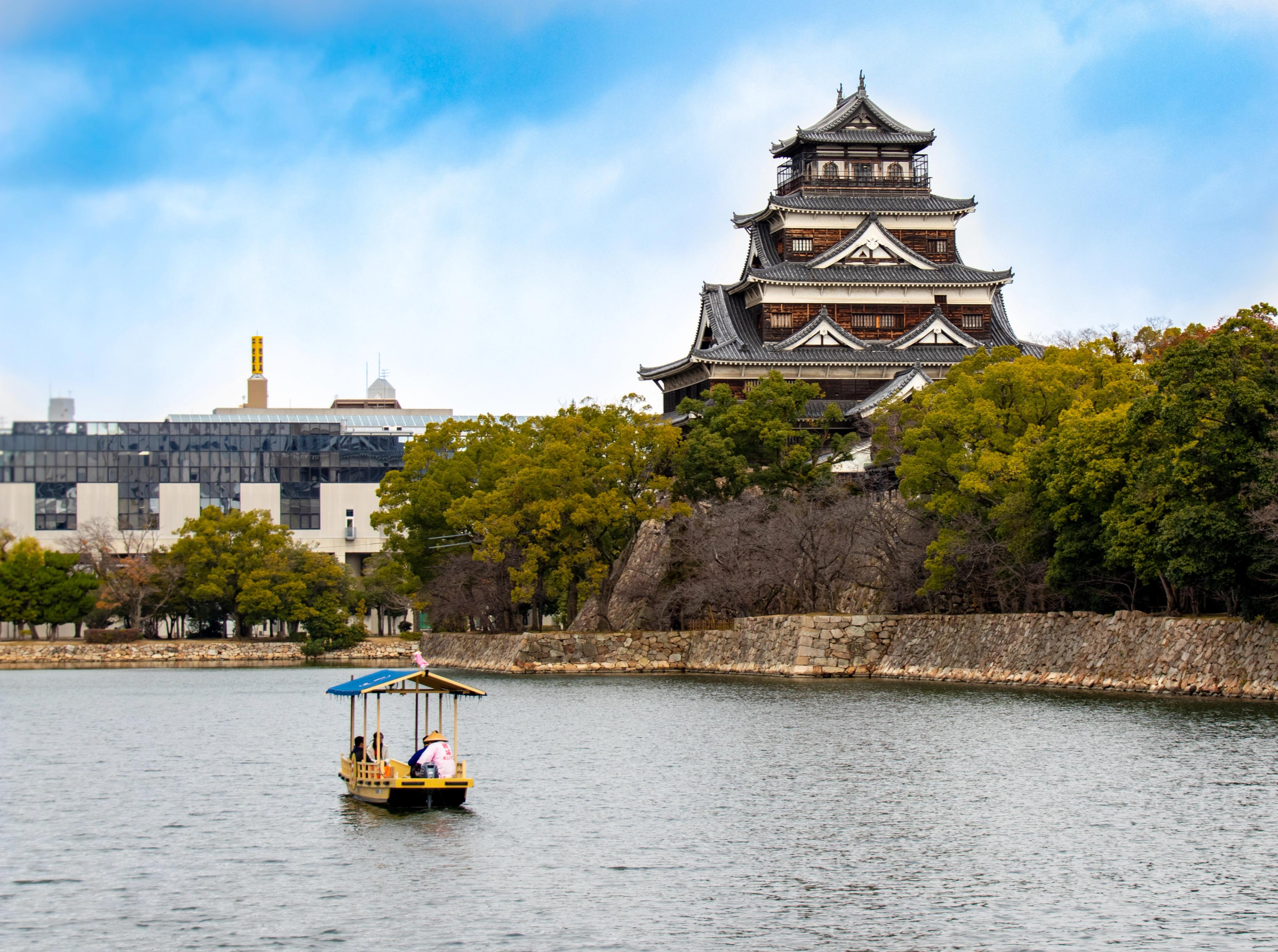
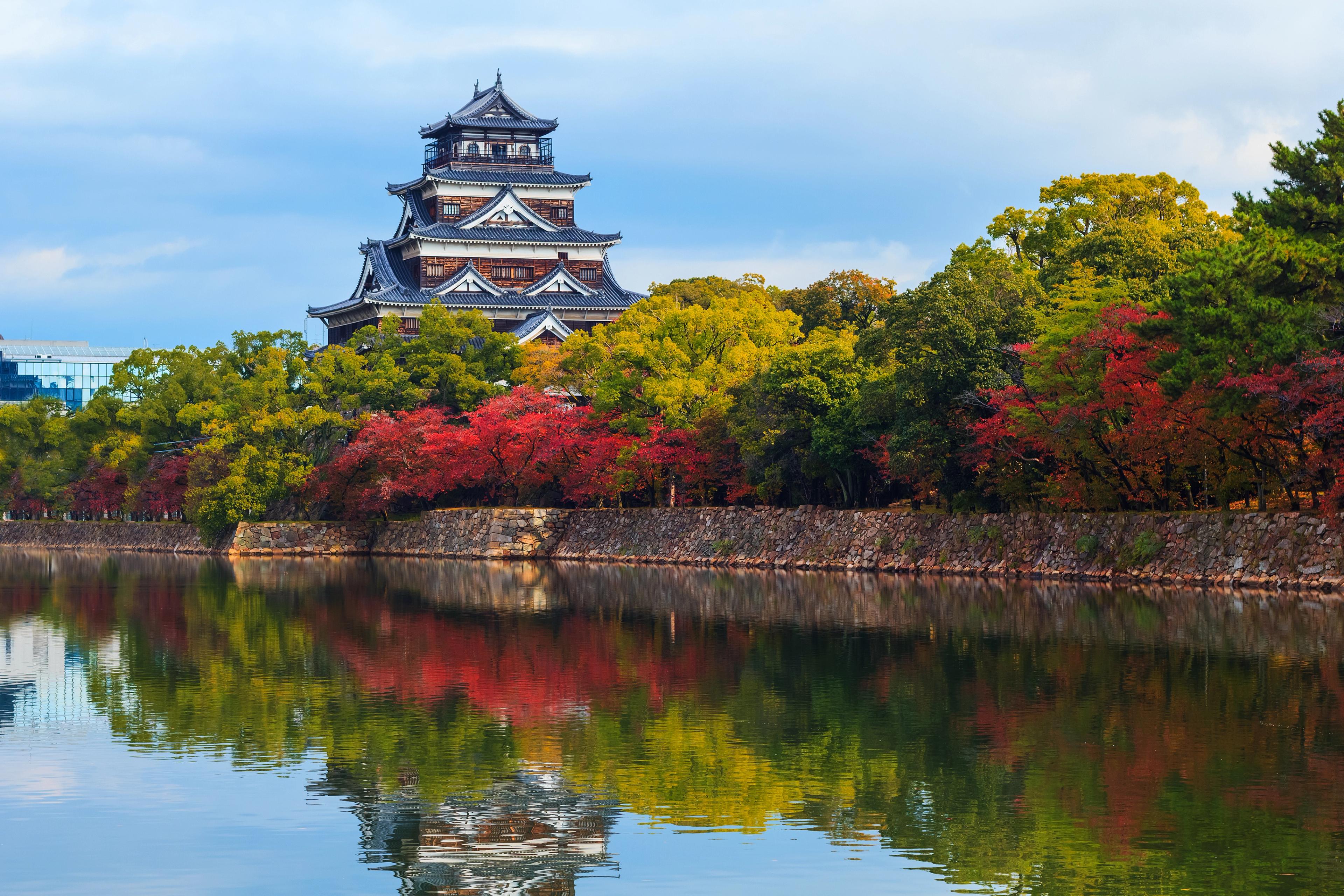
Also known as Carp Castle, Hiroshima Castle is a reconstructed fortress originally built in the 1590s. Destroyed by the atomic bomb, it was rebuilt in the 1950s and now serves as a museum dedicated to Hiroshima’s samurai era and feudal history.
Surrounded by a moat and park filled with cherry trees, the castle’s observation deck offers sweeping views of the modern city. It represents both the region’s rich history and its remarkable rebirth.
7. Hondori Shopping Street
Hiroshima is also known for its vibrant pedestrian arcade, Hondori Shopping Street. This covered walkway offers a mix of department stores, specialty shops, restaurants, and entertainment, all within walking distance of Peace Memorial Park.
Lively but not overwhelming, Hondori is ideal for browsing souvenirs, sampling local snacks, or simply people-watching in the heart of the city. It’s a place where locals and visitors alike gather, reflecting Hiroshima’s everyday life and energy.
8. Hiroshima’s Role in Japan’s Art and Literature
Hiroshima has inspired a deep body of artistic and literary work. From manga like “Barefoot Gen” to international novels, the city has long served as a canvas for stories of survival and hope. Local museums and art installations frequently explore these themes through powerful visuals and narratives.
The Hiroshima Museum of Art houses a fine collection of Western and Japanese paintings, and public art can be found throughout the city, adding emotional and aesthetic depth to its urban landscape.
9. Oyster Farming and Fresh Seafood
The surrounding Hiroshima Bay is famous for its oyster farms, producing some of Japan’s most sought-after oysters. Whether grilled, raw, or deep-fried, Hiroshima oysters are rich, briny, and enjoyed across the region.
The Seto Inland Sea provides not only oysters but a wide range of fresh seafood. Local izakayas and market stalls serve up sashimi, grilled fish, and shellfish that reflect the region’s close connection to the water.
10. Festivals and Cultural Traditions
Hiroshima is known for hosting festivals that combine remembrance, joy, and cultural pride. The most poignant is the Hiroshima Peace Memorial Ceremony, held every August 6, when thousands gather to honor the victims of the atomic bomb and to call for world peace.
Other festivals, such as the Hiroshima Flower Festival in May, celebrate the city’s vitality with parades, music, and local art. These events demonstrate how Hiroshima honors its past while celebrating its present identity as a thriving, welcoming city.
What Is Hiroshima Known For?
Hiroshima is best known for the Peace Memorial Park and Atomic Bomb Dome, powerful symbols of remembrance and resilience. The city is equally famous for its culinary specialties like okonomiyaki and oysters, its nearby island shrine on Miyajima, and its preserved gardens, castles, and cultural vibrancy. Today, Hiroshima stands as a city of reflection and renewal, where the past informs a hopeful, thriving future.
Discover Hiroshima on a Silversea Cruise
Journey to Hiroshima as part of a curated Japan cruise that weaves history, culture, and natural beauty into one unforgettable experience. From moments of reflection at the Peace Park to the tranquility of island shrines and the bold flavors of regional cuisine, Hiroshima invites travelers into a world where legacy and life coexist.
Begin your voyage with a Silversea Asia cruise, where each destination reveals a story of depth, dignity, and discovery.