Fun Facts About Machu Picchu: 7 Surprising Things About the Lost City of the Incas
- Published on
- Author
- Reading time
- 7 mins
Machu Picchu stands as one of the ancient world's most extraordinary sites. This 15th-century Inca citadel is perched high in Peru’s cloud forest, where intricately fitted stone walls and sacred terraces merge with mist-covered mountain vistas. It beautifully showcases the grandeur and ambition of the Inca Empire at its peak.
These interesting facts about Machu Picchu reveal why the Inca citadel continues to captivate historians, archaeologists and travelers from around the world.
1. Machu Picchu Was Built Without Mortar
The land of extremes
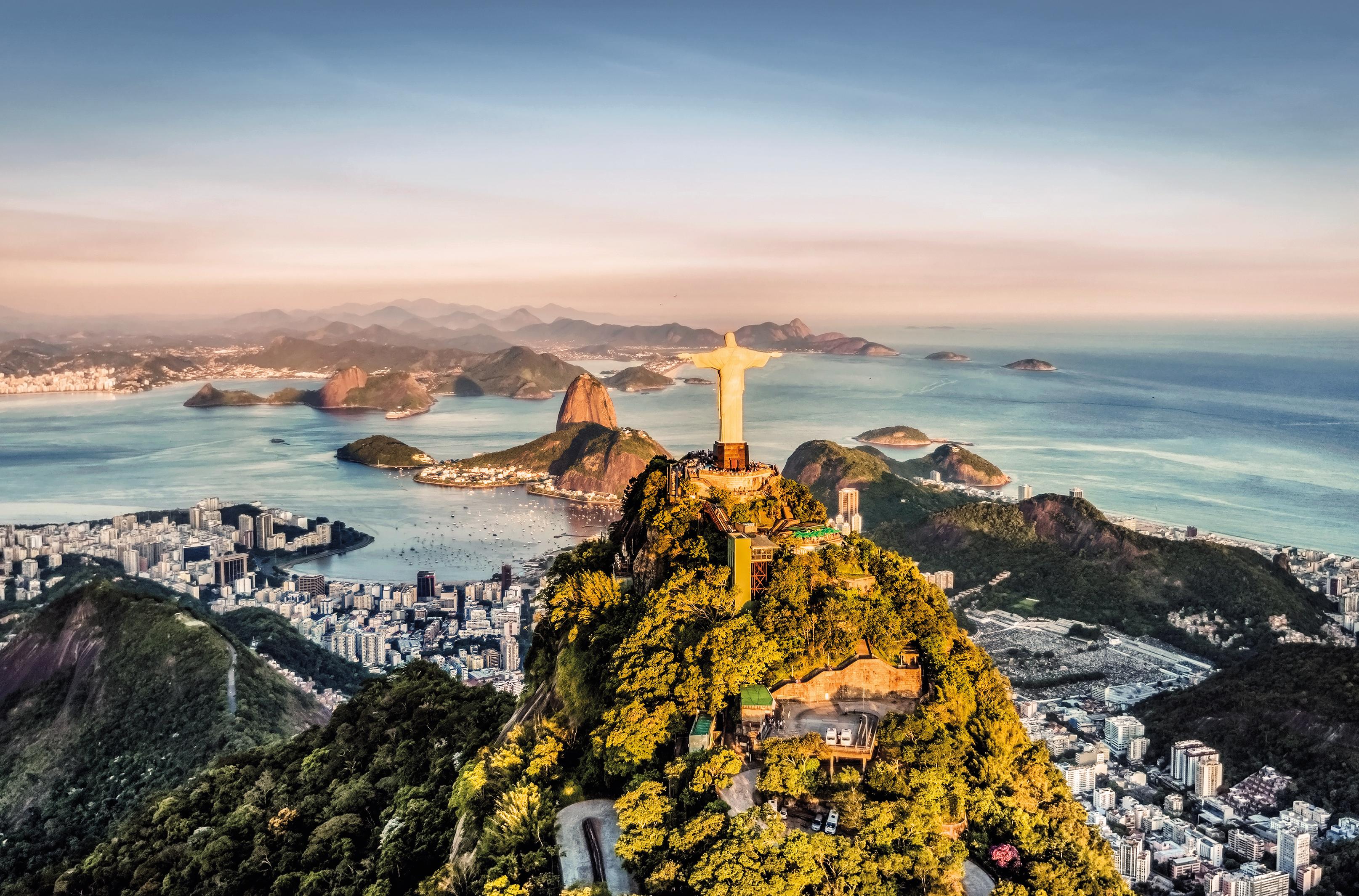
Home to the world’s greatest extremes including the mighty Amazon River to mythic Rio, to the bucket list Chilean Fjords, explore a continent where the unexpected is never a surprise.
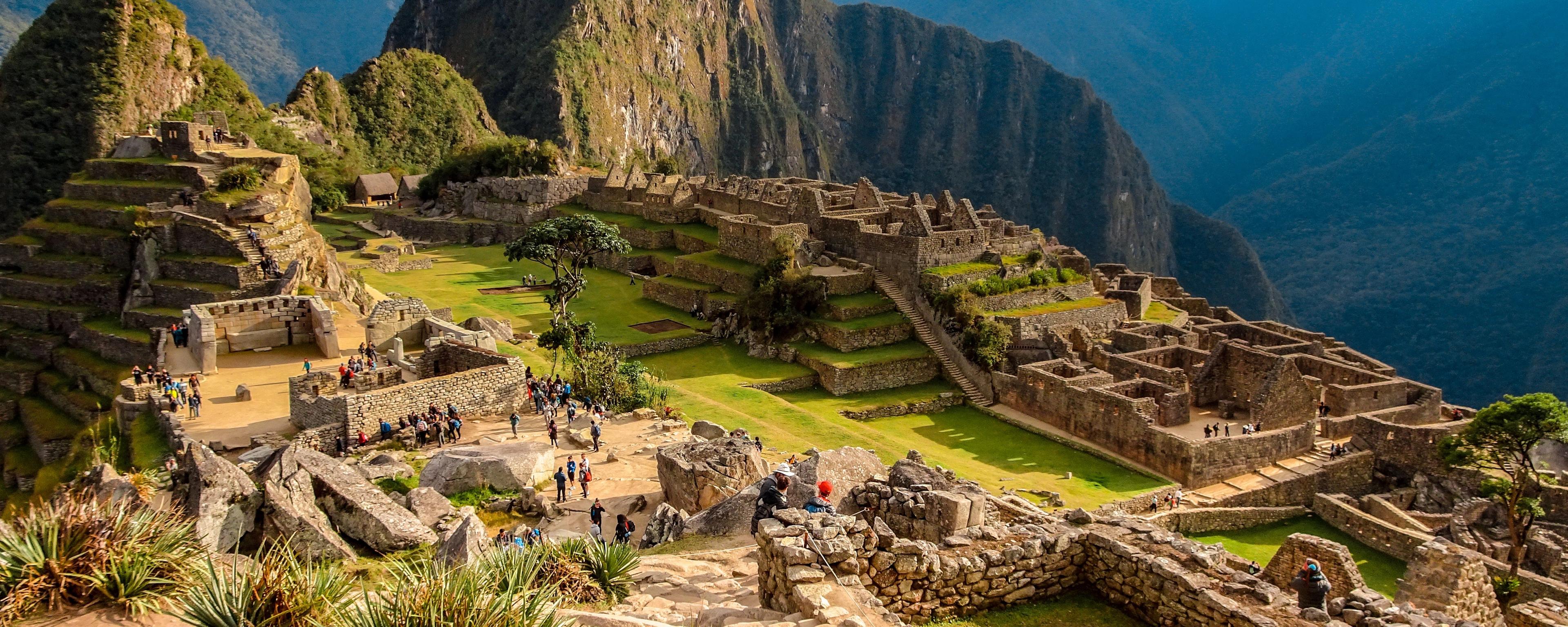
Each stone at Machu Picchu was carefully cut and fitted using a technique known as ashlar masonry. In this method, stones are precisely shaped to interlock perfectly without the need for any mortar. The joints are so tight that not even a knife blade can pass between the blocks.
This construction method is what has allowed the site to survive centuries of seismic activity in one of the world's most earthquake-prone regions. When the ground shakes, the stones shift slightly and resettle, rather than cracking along fixed joints. UNESCO describes the site as standing 2,430 meters above sea level and cites it as probably the most remarkable urban creation of the Inca Empire at its height.
2. The Spanish Never Reached Machu Picchu
Despite conquering the Inca Empire and ransacking many of its most significant sites after 1532, the Spanish never discovered Machu Picchu. The Incas abandoned the city around the time of the conquest, and the surrounding jungle quickly reclaimed the site, concealing it from outsiders for nearly four centuries.
Local Quechua families living in the area knew of the ruins throughout this period, but the site remained unknown to the outside world until July 24, 1911, when American historian Hiram Bingham was guided there by a local farmer and his young son. Bingham, who was actually searching for a different Inca city, brought Machu Picchu to international attention through a landmark 1913 National Geographic publication.
3. Machu Picchu Was Built as a Royal Estate
Archaeologists and historians generally agree that Machu Picchu was built around 1450 under the orders of Pachacuti, the ninth Inca emperor. It served mainly as a royal estate and sacred retreat, rather than a traditional city.
The site's population at its peak is estimated to have been around 750 people, most of whom were support staff, priests, and attendants rather than permanent residents. The large number of temples, ritual platforms, and sacred spaces throughout the site point to its ceremonial significance. Machu Picchu was abandoned less than a hundred years after it was built, as the Inca Empire collapsed under Spanish conquest.
4. Machu Picchu Sits Lower Than Cusco, Despite Being in the Clouds
One of the most counterintuitive facts about Machu Picchu is that it sits significantly lower in altitude than Cusco, the nearest major city. Machu Picchu stands at 2,430 meters (7,970 feet) above sea level, while Cusco sits at approximately 3,399 meters (11,152 feet).
This places Machu Picchu in the cloud forest belt of the eastern Andes, where the highland climate meets the upper Amazon basin. The result is a warmer, more humid environment than Cusco, rich in orchids, hummingbirds, and mist that rolls through the ruins on most mornings. Many visitors actually find altitude sickness less of a concern at Machu Picchu than in Cusco itself.
5. Much of Machu Picchu’s Original Stonework Remains
Machu Picchu is one of the best-preserved archaeological sites in the world. Much of Machu Picchu’s original Inca stonework remains remarkably well preserved, partly because the site was not demolished by the Spanish and was protected for centuries by its remote mountain setting.
The site was designated a UNESCO World Heritage Site in 1983 and named one of the New Seven Wonders of the World in 2007. The Historic Sanctuary of Machu Picchu spans 38,160 hectares, including the citadel itself as well as the surrounding cloud forest, river valleys, and mountainous areas. All of these are safeguarded under the same designation.
6. The Artifacts Taken to Yale Took a Century to Return to Peru
During his expeditions between 1912 and 1915, Hiram Bingham shipped thousands of artifacts from Machu Picchu to Yale University's Peabody Museum for study. The question of their ownership became one of the most protracted repatriation disputes in archaeological history.
Following years of negotiations, Peru and Yale reached an agreement in 2010. By 2012, the artifacts were returned to Peru, marking exactly 100 years since their removal. They are now housed in a purpose-built museum in Cusco, restoring one of the most significant collections of Inca material culture to its country of origin.
7. The Inca Trail Is Part of a Vast Andean Road Network
The Inca Trail, renowned for leading trekkers through the Andes to Machu Picchu, is actually a short segment of the Qhapaq Nan. This vast network of Inca roads once spanned over 40,000 kilometers across South America, linking the far reaches of the empire from what is now Colombia to Argentina.
UNESCO inscribed the Qhapaq Nan as a World Heritage Site in 2014, recognizing it as one of the most extraordinary feats of pre-industrial infrastructure in human history. The Inca constructed their extensive network without the use of wheeled vehicles or draft animals for heavy hauling. Instead, they depended on human porters, meticulous engineering, and a relay system of runners who could deliver messages across the empire in just a matter of days.
Cruise to Machu Picchu with Silversea
Machu Picchu is most often reached through Callao, the port of Lima, where Silversea guests can begin a journey into the heart of one of the ancient world's most extraordinary civilizations.
Expert-led Shore Excursions and Land Programs connect guests with Lima's colonial heritage, the sacred valley of the Incas, and the citadel itself. These fun facts about Machu Picchu only hint at what the experience holds in person.
Explore Silversea's South America and Galápagos voyages and find your way to one of the most remarkable places on earth.