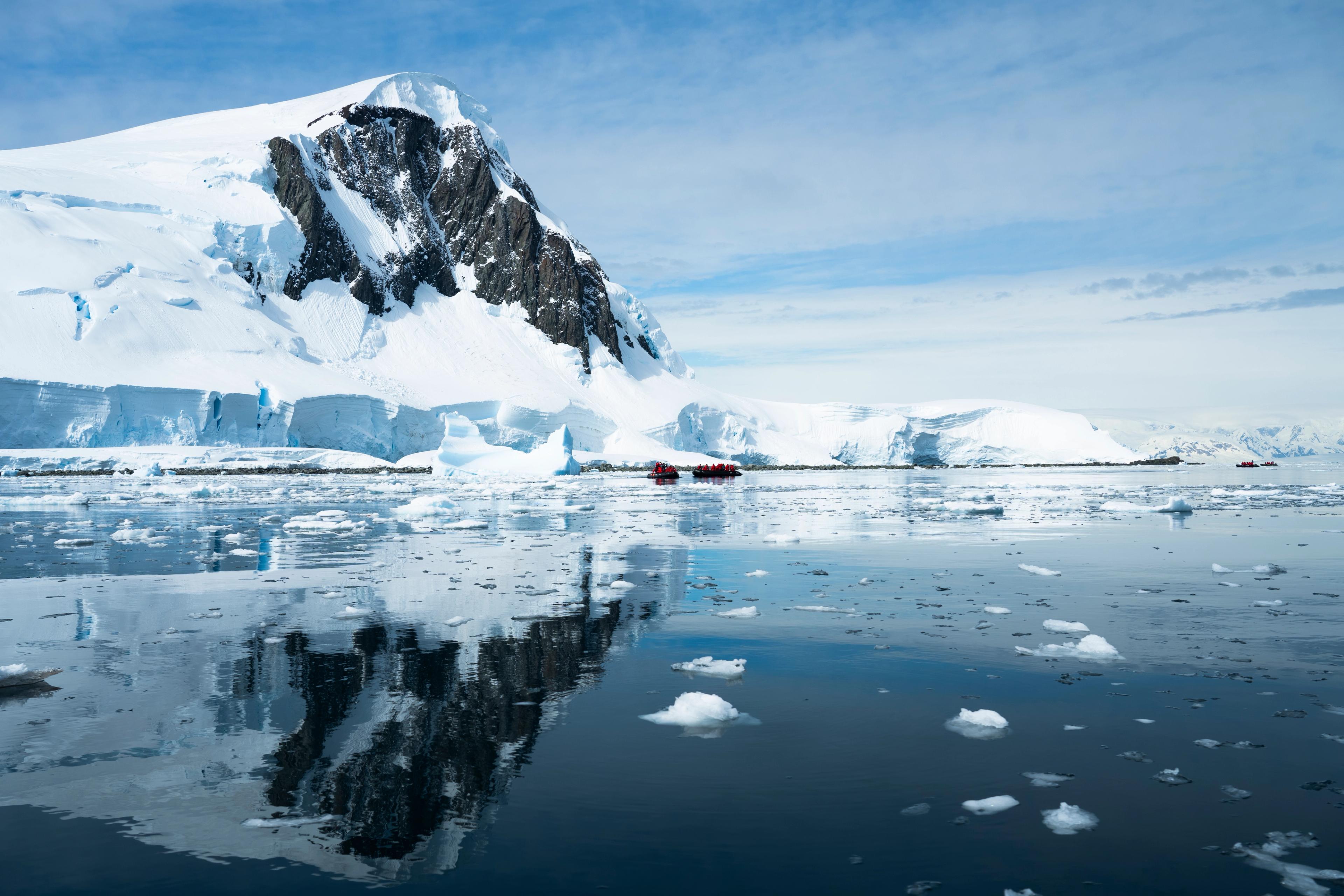
7 Fun Facts About Antarctica
- Published on
- Author
- Reading time
- 7 mins
Antarctica is not just a continent of ice. It is a place that rewrites everything you thought you knew about the planet.
The facts about Antarctica stretch the imagination: a landmass larger than Europe, buried under ice so ancient it holds records of Earth's atmosphere going back 800,000 years, home to creatures that thrive where few others dare to exist.
For those drawn to rare, authentic discovery, Antarctica delivers wonder at every turn. Here are seven fun facts about Antarctica that capture why this continent stands apart from every other place on earth.
1. Antarctica Is the Highest, Driest, Windiest Continent on Earth
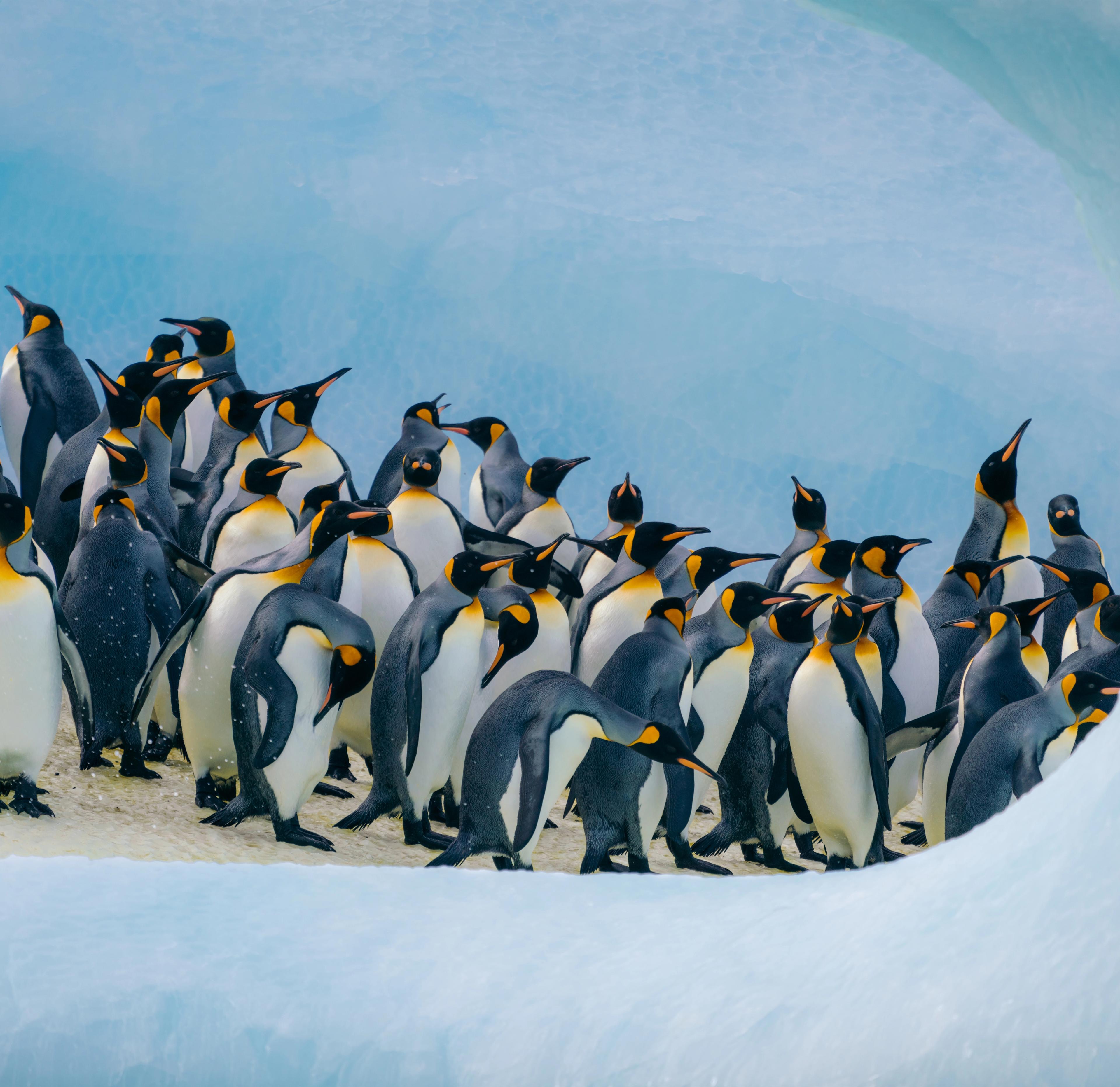
The closest thing on Earth to another planet
A trip to Antarctica is on every travel lover’s wish list. Join us as we explore the legendary white landscape of elemental forces that is home to so much wildlife.
Antarctica holds more records than any other continent, simultaneously claiming the titles of highest, driest, coldest, and windiest place on the planet.
Its average elevation exceeds 7,200 feet, making it far higher than any other landmass. Despite being covered in frozen water, it qualifies as a desert. The interior receives less than two inches of precipitation per year, drier than the Sahara.
Winds along the coast regularly reach 200 miles per hour. These are not just interesting facts about Antarctica. They are reminders of why reaching this continent feels like arriving at the edge of the earth.
2. 90% of the World's Ice and 70% of Its Fresh Water Lives Here
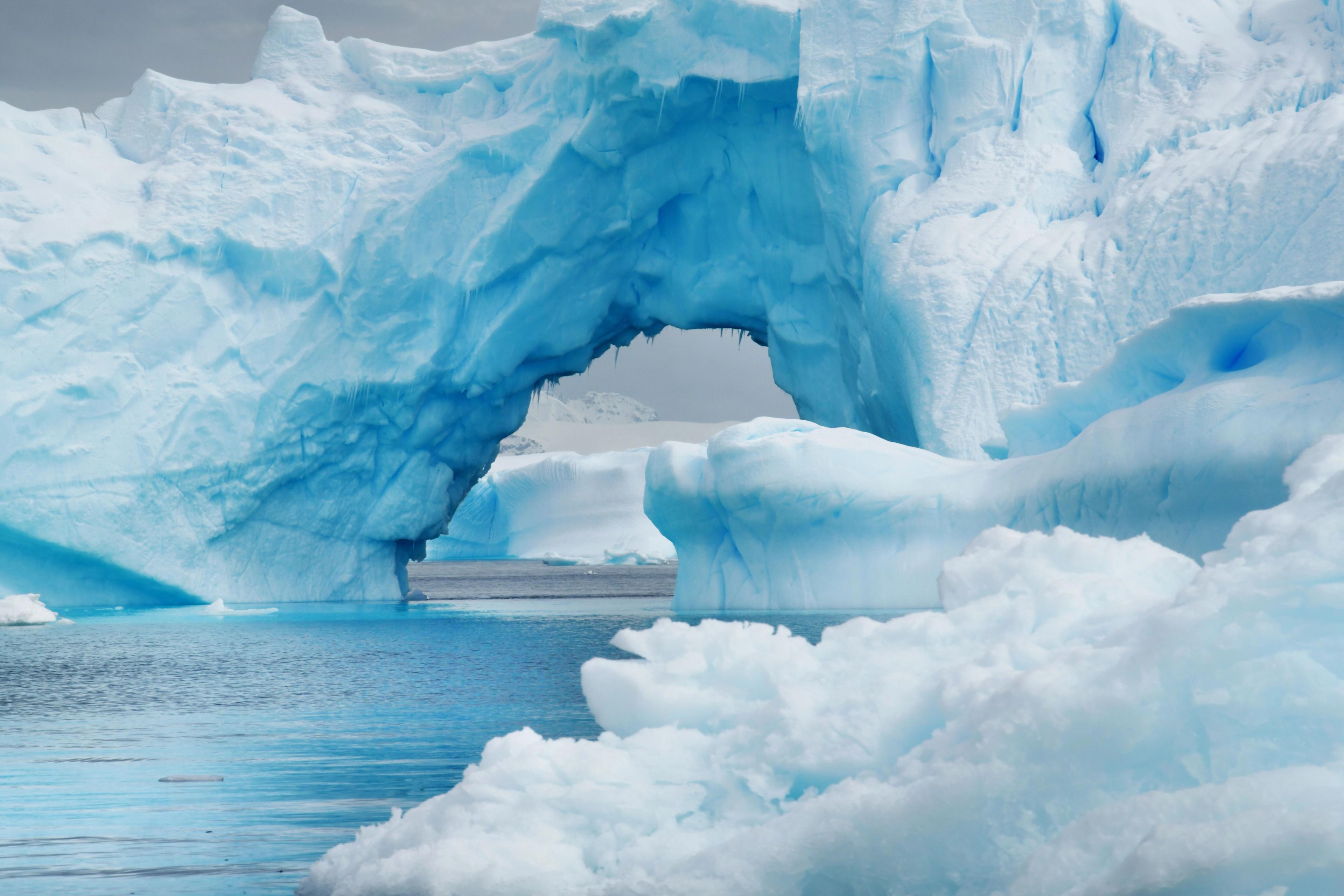
Antarctica holds approximately 90% of all the ice on Earth and roughly 70% of the planet's fresh water, locked within a sheet of ice averaging more than one mile thick.
In some places, the ice reaches a depth of nearly three miles. Beneath it lies an entire hidden landscape of mountains, valleys, and lakes that have not seen sunlight in millions of years.
Lake Vostok, submerged under 2.5 miles of ice, is one of the largest lakes in the world. It has been isolated from the surface for an estimated 15 to 25 million years.
The sheer scale of what Antarctica contains, frozen, preserved, and largely unexplored, is one of the most compelling Antarctica facts for those who seek deeper discovery.
3. Antarctica Has No Native Human Population
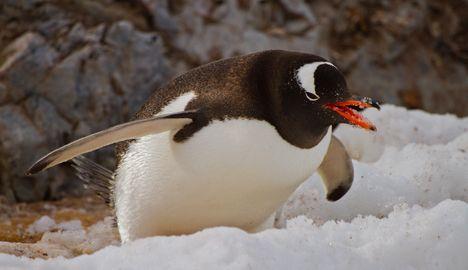
No humans are indigenous to Antarctica, making it the only continent never to have had a permanent native population. Yet life here is far from absent.
An estimated 12 million penguins call Antarctica home, along with Weddell seals, leopard seals, humpback whales, and extraordinary concentrations of Antarctic krill. Those tiny crustaceans underpin nearly the entire Southern Ocean food chain.
Emperor penguins, the largest of all penguin species, breed in the heart of the Antarctic winter. They endure temperatures as low as -40°F just to hatch their eggs.
Encountering these animals in their natural environment, unbothered and curious, is among the most immersive wildlife experiences in the world.
4. Antarctica Has Active Volcanoes
Beneath all that ice, Antarctica is geologically alive. Mount Erebus, the world's southernmost active volcano, has been erupting continuously since at least 1972. Located on Ross Island and standing at 12,448 feet, Erebus holds a persistent lava lake, one of only a handful in the world, that glows against the polar dark.
The continent also includes Deception Island, a horseshoe-shaped caldera in the South Shetland Islands where geothermal heat warms black volcanic sand beaches.
This is the kind of detail that captures what makes facts about Antarctica so endlessly surprising: this is a place where fire and ice coexist.
5. The Antarctic Treaty Keeps the Continent Free From Conflict and Ownership
Antarctica is the only continent on Earth governed by international cooperation rather than national ownership. The Antarctic Treaty, signed in 1959 by 12 nations and now with over 50 signatories, designates Antarctica as a scientific preserve. It bans military activity, mineral mining, and nuclear testing.
Today, more than 70 research stations operate on the continent seasonally or year-round, hosting scientists studying everything from climate change to astrophysics.
Visiting Antarctica means traveling to the one place on the planet that belongs to everyone, and to no one.
6. Antarctica Holds the Record for the Coldest Temperature Ever Recorded on Earth
The coldest temperature ever recorded on Earth was measured in Antarctica: -128.6°F (-89.2°C) at the Soviet Vostok Station on July 21, 1983.
More recent satellite data has detected temperatures as low as -144°F (-98°C) on the East Antarctic Plateau during polar winter. For context, the surface of Mars averages around -80°F.
7. Antarctica Was Once a Tropical Rainforest
Roughly 90 million years ago, Antarctica was covered in dense tropical rainforest, with a climate similar to present-day New Zealand.
Scientists drilling into the seafloor near the continent's coast have uncovered fossilized pollen, spores, and the root systems of ancient plants. Dinosaur fossils have also been found here, alongside those of creatures that predate them by hundreds of millions of years.
The continent's remarkable geological history is a reminder that the Earth we think we know is always in a state of profound, slow transformation.
Antarctica is the only continent where you can find fossilized tropical forests buried beneath polar ice sheets, a detail that makes it one of the most geologically extraordinary places on earth.
Cruise to Antarctica with Silversea
If you want to experience these facts about Antarctica firsthand, consider arriving by expedition ship. Sailing through the Drake Passage toward the White Continent offers a breathtaking introduction to one of the planet's last truly untouched places. The journey itself becomes part of the discovery.
Expert-led Zodiac excursions bring guests within reach of towering glaciers, penguin colonies, and volcanic landscapes that no photograph fully captures. This is not sightseeing. It is the kind of immersive exploration that changes how you understand the world.
These fun facts about Antarctica only scratch the surface of what this continent holds. Discover the rest for yourself — explore Silversea's Antarctica Expeditions and step onto the continent that redefines exploration.