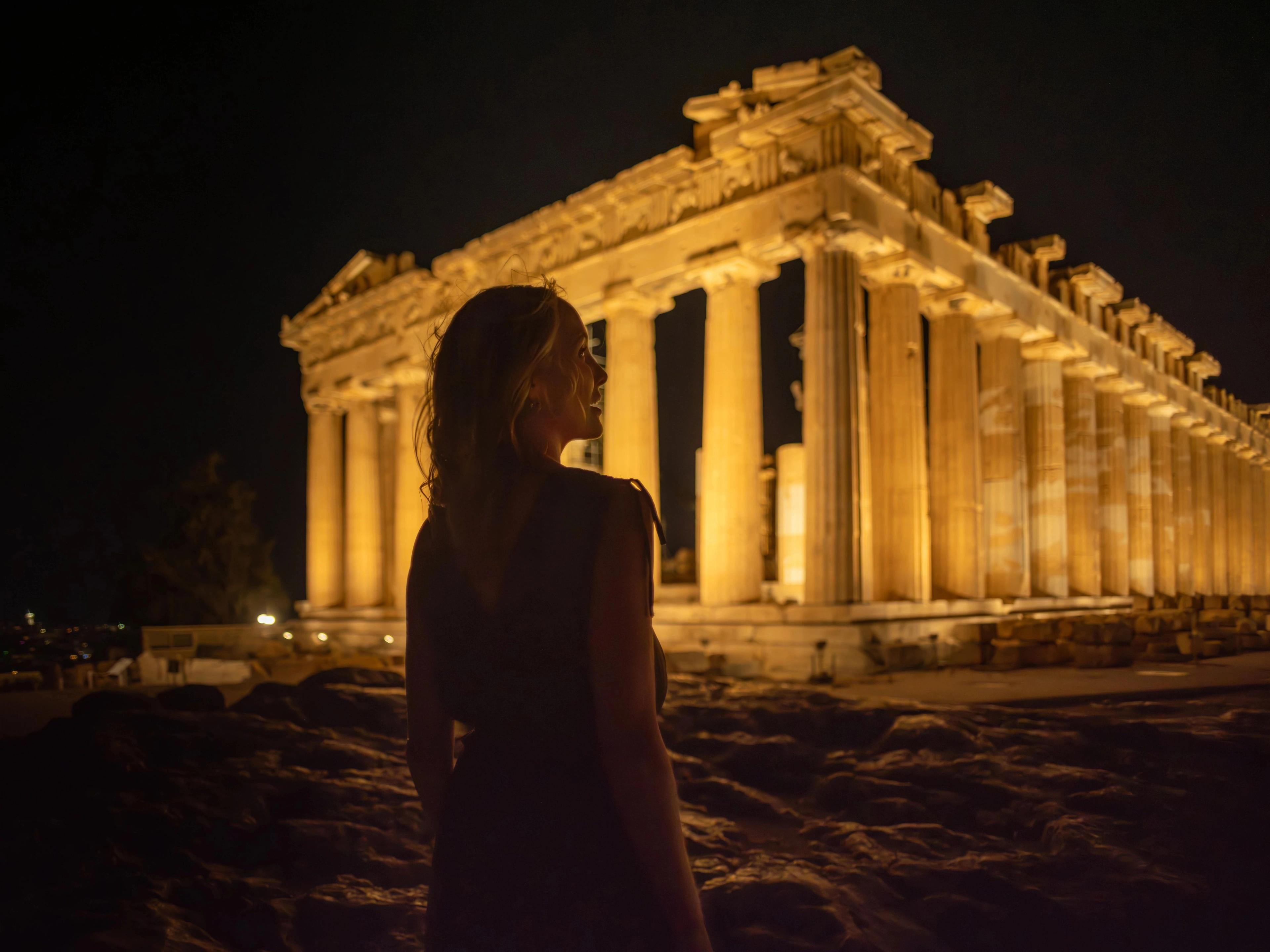
When Is the Best Time To Visit Athens? When To Go to Greece
- Published on
- Author
- Reading time
- 12 mins
The Mediterranean offseason is one of the best times to visit Athens, Greece. Between autumn and early spring, the city reveals a quieter, more local rhythm — museums feel more open, historic landmarks are easier to explore, and cafés invite longer conversations over Greek coffee or a late lunch.
Spring brings mild weather, blooming streets, and festivals that draw Athenians back into the city’s parks and public spaces. Autumn offers harvest flavors, golden light, and comfortable days for walking. Winter brings festive markets, quieter museums, and comforting meals in warm tavernas. Summer has its own appeal, from nightlife to the Athenian Riviera, but the offseason offers something especially fitting for Athens: space to roam, time to linger, and a deeper sense of daily life before your Silversea Mediterranean cruise.

This is our home, our sea. Enjoy it.
Blessed by sapphire waters, medieval cities, mouth-watering gastronomy and history that dates back for centuries, the Mediterranean is a region that never fails to deliver.
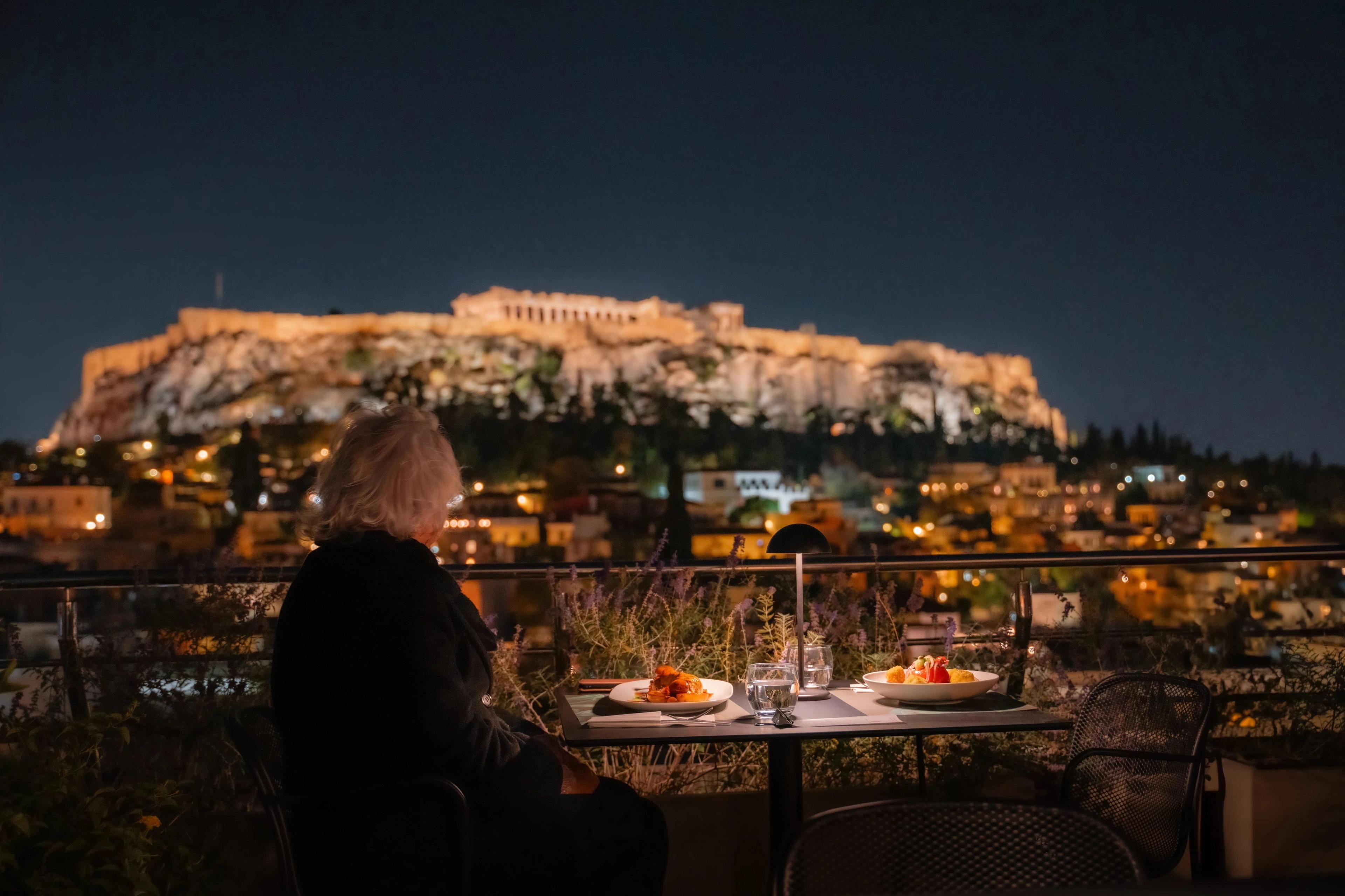
March-June: Spring’s splendor blossoms into a festival of walkable wonders
In spring, Athens begins to bloom into motion. Mild temperatures, longer days, and a more relaxed pace make March through June especially rewarding for walking tours, museum visits, and unhurried exploration through the city’s ancient sites.
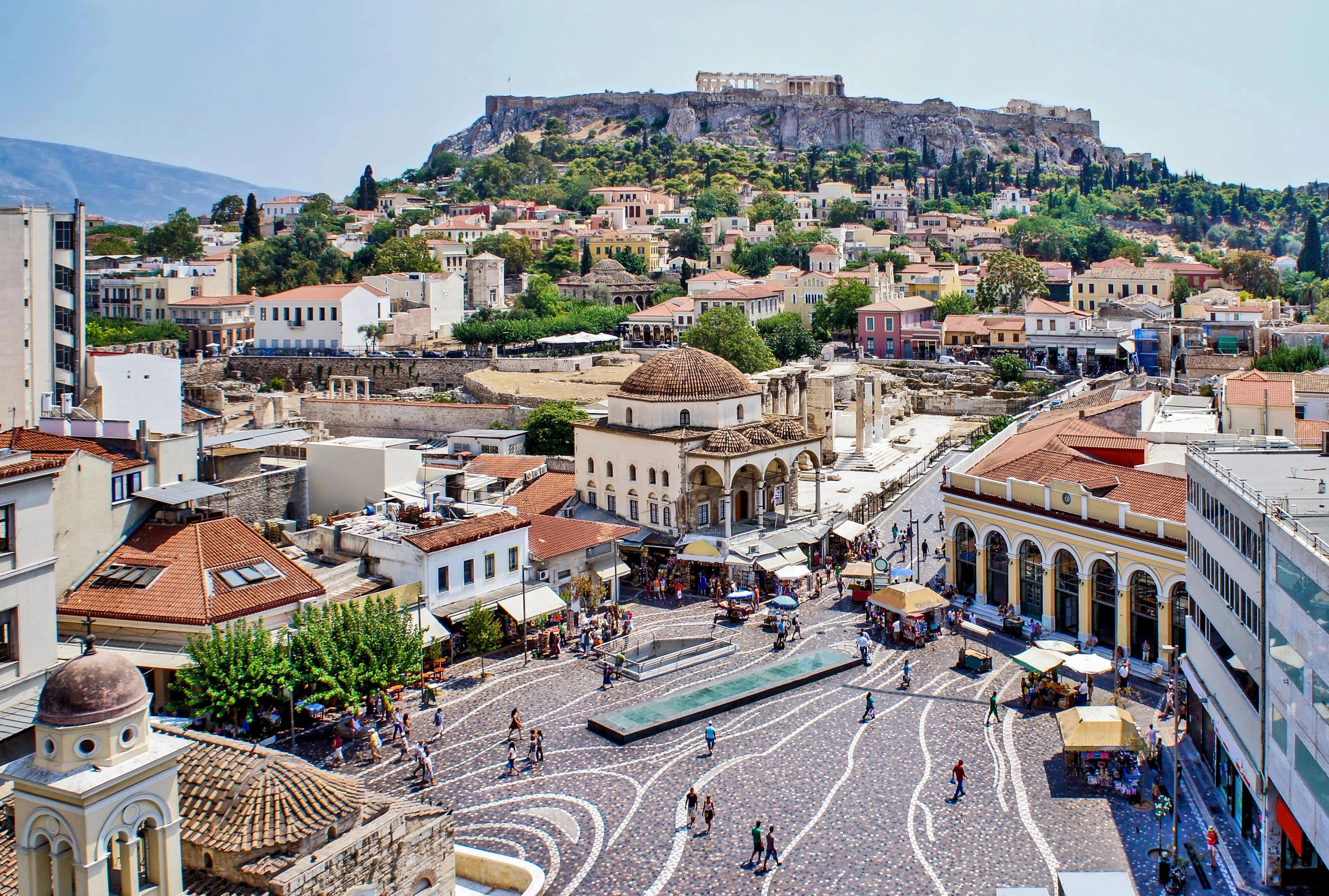
Without the height-of-summer crowds, the birthplace of democracy feels more open and more personal. The streets are filled with the scent of jasmine and the sound of camaraderie and conversation spilling out of lively tavernas.
Festivals bloom with the season, offering visitors the opportunity to mingle with like-minded locals in immersive fetes like the Athens Street Food Festival, Open-Air Cinema season, and Athens Jazz Festival. The This is Athens Festival invigorates the city streets with over 300 free cultural events lauding the radiant tapestry of Athenian life.
Similar vibrant culture moments revolve around nature’s wonders. Kifissia Flower Show, dating to 1896, is a three-week multi-dimensional exhibition of botanical artistry, rare floral displays, concerts, and architectural landscape exhibits of sustainable greenery design incorporating floral notes to evoke past memories and future inspirations. Protomatia is an Athenian May Day celebration marking the official start of spring. Locals procure wildflowers to create colorful floral door wreaths to welcome the season, flocking to parks and green spaces to revel in traditional music-and-dance-filled picnics with friends and family.
In a practical sense, spring’s 53-71 degree temperatures are ideal for walking tours exploring the many Ancient Greek ruins that mark the landscape. In a more emotional sense, an Athens devoid of crowds of tourists offers an immersive look at authentic life in this picturesque place, while locals still have the patience to share their natural warmth and welcoming spirit. In short, spring is ideal for sightseeing in Athens.
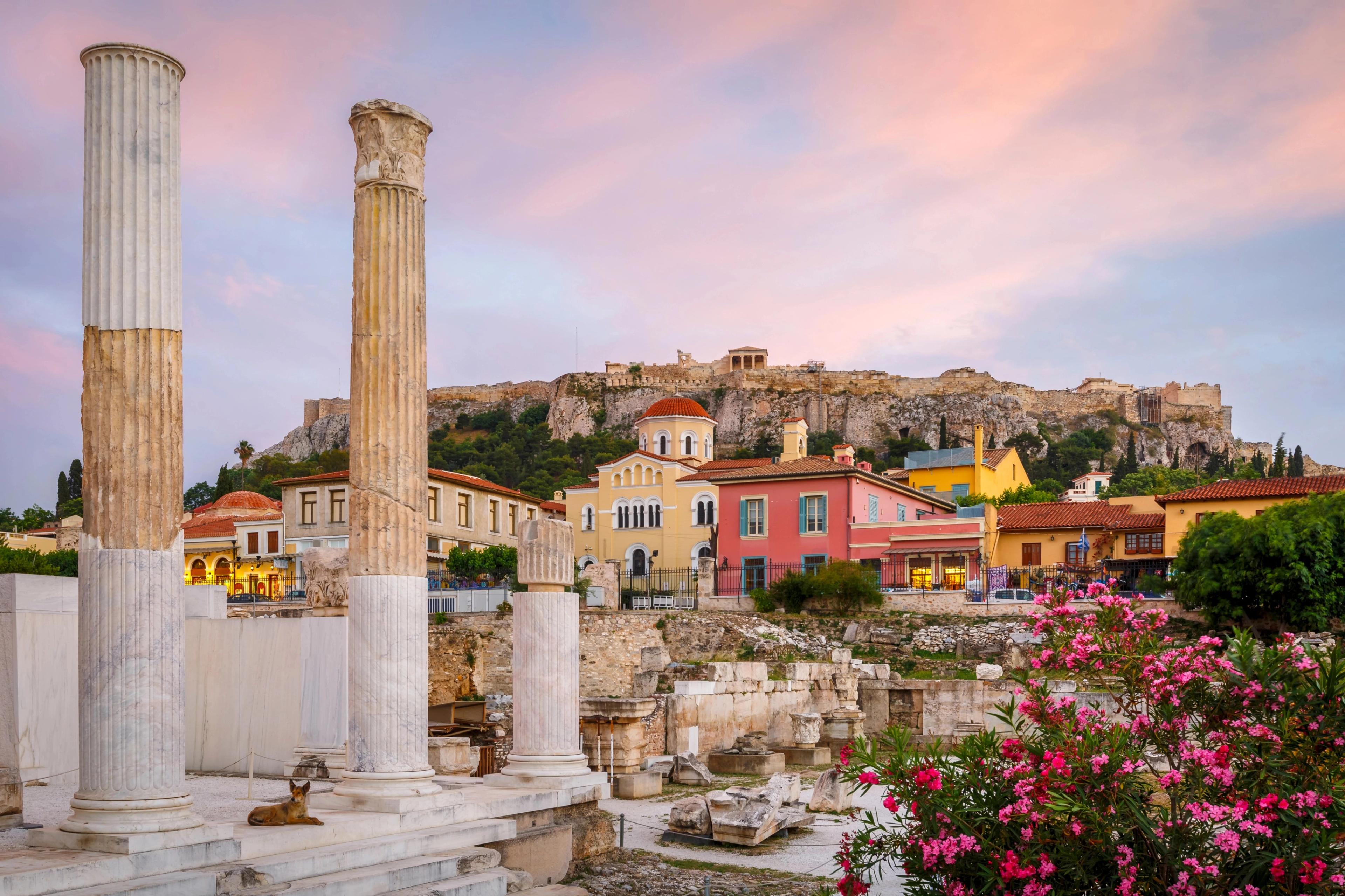
In spring, streets are filled with the scent of jasmine and the sound of camaraderie.
Historical ceremonies of Athens Independence Day
The March 25th Athens Independence Day parade and celebration is an annual military event near the Hellenic parliament in Syntagma Square honoring the 1821 Greek Revolution against Ottoman rule.
This proud display of military might is attended by top Greek officials, including the President. Flag-waving children line the curbs, a blur of toothy smiles and flapping blue and white, many of whom initiated the holiday days before in their own youth parade donned in school colors and traditional dress. Stirring odes to this love of country include marching armed forces, rumbling tanks, and roaring flypasts of fighter jets.
This pageantry of the state coincides with the Greek Orthodox holy day, joyfully celebrating the Annunciation of the Virgin. A tradition dating to the 15th century dictates bakaliaros skordalia, a crispy battered salted cod served with a potent garlic potato or bread mash, as the ceremonial meal. This church-sanctioned spread is quite the treat for those abstaining from otherwise eating fish during the Lenten period.
A public holiday on this day ensures everyone can join the celebration. Shops will shutter for the day, but restaurants and attractions may stay open. Avoid March 25 to ascend to the Acropolis as it is closed, but the Acropolis Museum is open, albeit as a “free day” — so very busy.
Pascha, an Athenian Greek Easter celebration
Holy Week in Athens is a days-long ceremonial process, rivaling Christmas as a celebrated holiday.
Rituals begin on Holy Thursday, when locals busy themselves preparing food for the feasts to come. Sweet bread tsoureki might read familiar, but dyeing boiled eggs a dramatic red represents the blood of Christ, rather than a chocolate-bearing bunny’s preference for pastel. These eggs are not for hiding, but for an Easter Sunday game of Tsougrisma where competitors tap eggs, symbolizing the breaking open of Christ’s tomb, trying to keep theirs intact the longest to earn good luck for the year to come.
Good Friday is the most solemn, haunted by mournful church bells ringing through the day until an emotional evening candlelit procession parading an Epitaphios flower-decorated bier, a wooden funereal cart, through neighborhoods to city squares.
Holy Saturday culminates in a community-wide midnight mass and eruption of celebration marking the Resurrection. Candles are lit from a holy flame delivered first to Agioi Anargyroi church on Erechtheos Street in Plaka, which will then be brought home via local churches through the streets still lit to mark a triple cross on the home door frame in sooty smoke. As priests announce the Resurrection, fireworks explode over the Acropolis, accompanied by the din of bells from every church in the region. A midnight feast of magiritsa soup of the Easter lamb’s innards is the first meat eaten in 40 days of fasting.
Easter Sunday centers around the whole lamb roasted on a spit, a daylong process starting with a charcoal fire and slow turning of the meat, liberally accompanied by wine and inevitable dancing. Local restaurants create a traditional menu for visitors to enjoy.
Easter Sunday centers around a whole lamb fire-roasted on a spit, a daylong process.
July-August: Summer in Athens offers starlit evenings and slower exploration
Summer’s steamy climate needn’t put an end to exploration, but adjustments might be prudent with 86-96 degree average temperatures and occasional spikes cresting 100. Capitalize on early morning outings for deeper discoveries among the ruins with afternoons dedicated to leisurely lunches or the latest exhibits at the museums of Athens. Beach breaks on the Athenian Riviera offer respite and a refreshing dip.
Summer can be swamped with visitors, with Mediterranean cruises offering expansive access to Athens’ charms. Take in a glorious sunrise from Lycabettus Hill with a panoramic view over the white-washed carpet of humanity that is Athens. Alternatively, watch the sun rise from Philopappos Hill, putting you in a prime position for stunning views of the Parthenon, a comfortable 15-30 minute stroll to the Acropolis entrance. A dozen cafés, such as traditional Kafeneion Akropoleos, or the terrace of the Acropolis Museum, offer rich coffee and Greek pastries to fuel your morning.
On a recent July journey to Athens, we partook of an indoor immersion of a different kind. The Mansion from Paradox Project had been named the world’s best escape room, a term which seemed to minimize the reality of the outsized experience. The neoclassical building with myriad mysteries, rich storytelling, technical puzzles, and mind-bending challenges — woven into local lore — represents the longest escape game in Europe, clocking in at (just over, in our case) three hours.
As the stars come out, so too do the locals. Nightlife is one area where a flourishing assembly of revelers can add to the ambiance. Neighborhood haunts will be hopping in Plaka, Psiri, and Monastiraki. Evenings also unveil concerts at some of Athens' mythical wonders such as the Acropolis, Odeon, and Ancient Agora, where live bands and local musicians take the stage in dramatic form. The Greek National Opera performs rare performances at the Ancient Theatre of Epidaurus, a 4th-century B.C. acoustical marvel.
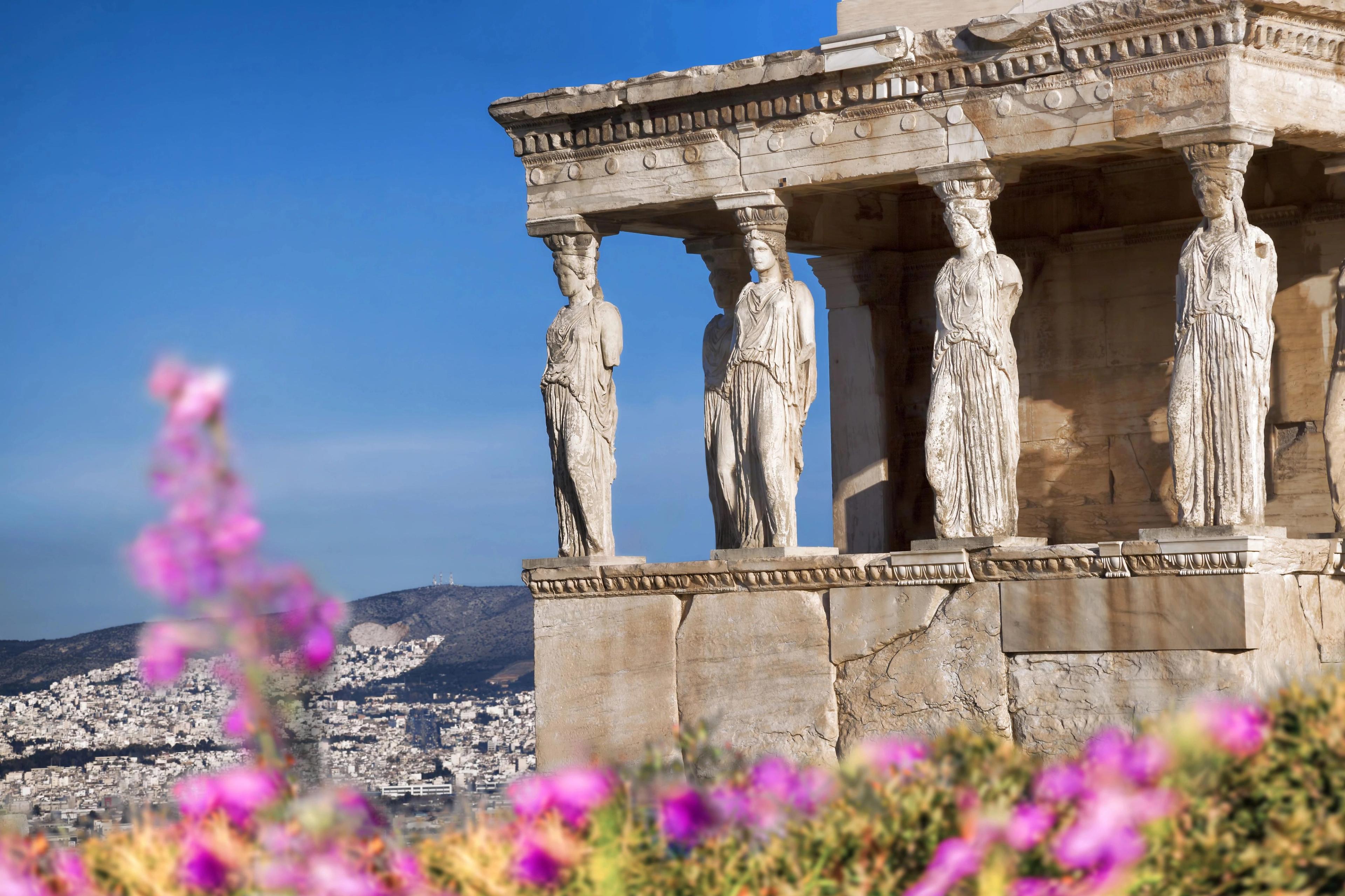
Sit under the stars for evening concerts at the Acropolis, Odeon and Ancient Agora.
September-November: Fall for Athens’ autumnal adventures
If there is a season to rival an Athens spring, autumn is a deeper discovery seeker’s delight. Summer’s throng has returned to school and workplace, with city temperatures reaching heavenly highs in the 70s and manageable lows in the upper 50s. Sure, a few beach clubs and day-tripping islands might have slowed down or abandoned their tourist-enticing offerings, but The Cradle of Western Civilization has more to offer than a spot of sand.
Savvy travelers show a little shoulder when picking seasons to sail at an unhurried pace on largely upscale and refined Greece cruises. Walk in the great philosopher's footsteps around Athens city sites, such as Aristotle’s Lyceum and Socrates' “Shop of the Cobbler Simon” haunt. Amble through archeological sites and absorb inspiration sans the energy-sapping sun. Take a remarkable day’s journey to landlocked Meteora, where an atmosphere of stone pillars jut up from verdant valleys into the clouds, topped by historic and still active monasteries open to visitors.
It’s time to sink back into the slow pace of a warm and generous city of friendly locals. Rooftop scenes meet scenic vistas, dozens of lively bars and eateries perched with perfect positioning to admire the illuminated Acropolis. Wander into the countryside to the wineries of Attica for balmy afternoon wine tastings. Visit farm estates where heady harvest flavors abound in fresh figs, early olives, and pomegranates. Autumn reveals an Athens to remember.

December-February: Winter ‘tis the season to discover a Hellenic holiday
Winter in Athens invites travelers to experience the Mediterranean offseason at its most local and unhurried. Temperatures often range from the 40s to the 50s, making this a season for layered comfort, quiet museums, and reflective walks through historic sites, without the density of summer crowds. For those still drawn to the water, Lake Vouliagmeni — a thermal sea lagoon south of Athens — offers a warm, restorative way to connect with the landscape.
Winter is also a season of tradition. Wander the festive markets in Syntagma, Omonia Square, or Astir Marina for artisan creations, olivewood kitchenware, hand-blown glass, and jewelry inspired by Greek history. Cozy tavernas serve warm honeyed raki, sizzling saganaki, and comforting meals that make the city feel especially welcoming after a day of exploration.
As crowds thin and days grow shorter, Athens reveals a quieter rhythm — one shaped by culture, cuisine, and time to linger. Sought-after tables become easier to reserve, including Delta, where Chef George Papazaharias brings a refined perspective to Greek cuisine at the Stavros Niarchos Foundation Cultural Center. In winter, Athens offers a side of the Mediterranean that many travelers miss: more space, a deeper connection, and the pleasure of experiencing the city closer to the way locals do.
Embark on an Athens-based odyssey to the mesmerizing Med
Athens rewards travelers who want to look beyond its ancient landmarks and experience the city in rhythm with the season. Spring and autumn are especially compelling, with milder weather, fewer crowds, seasonal festivals, and more space to appreciate the city’s neighborhoods, cuisine, and historic sites at an unhurried pace.
Whether visited before or after a Mediterranean voyage, Athens adds depth to the journey — a place where ancient history, modern culture, and everyday life meet in memorable ways.
Explore Silversea Cruises to Athens and discover Greece through a more thoughtful lens.