Alaska Cruise Packing List: Essentials for the Last Frontier
- Published on
- Author
- Reading time
- 15 mins
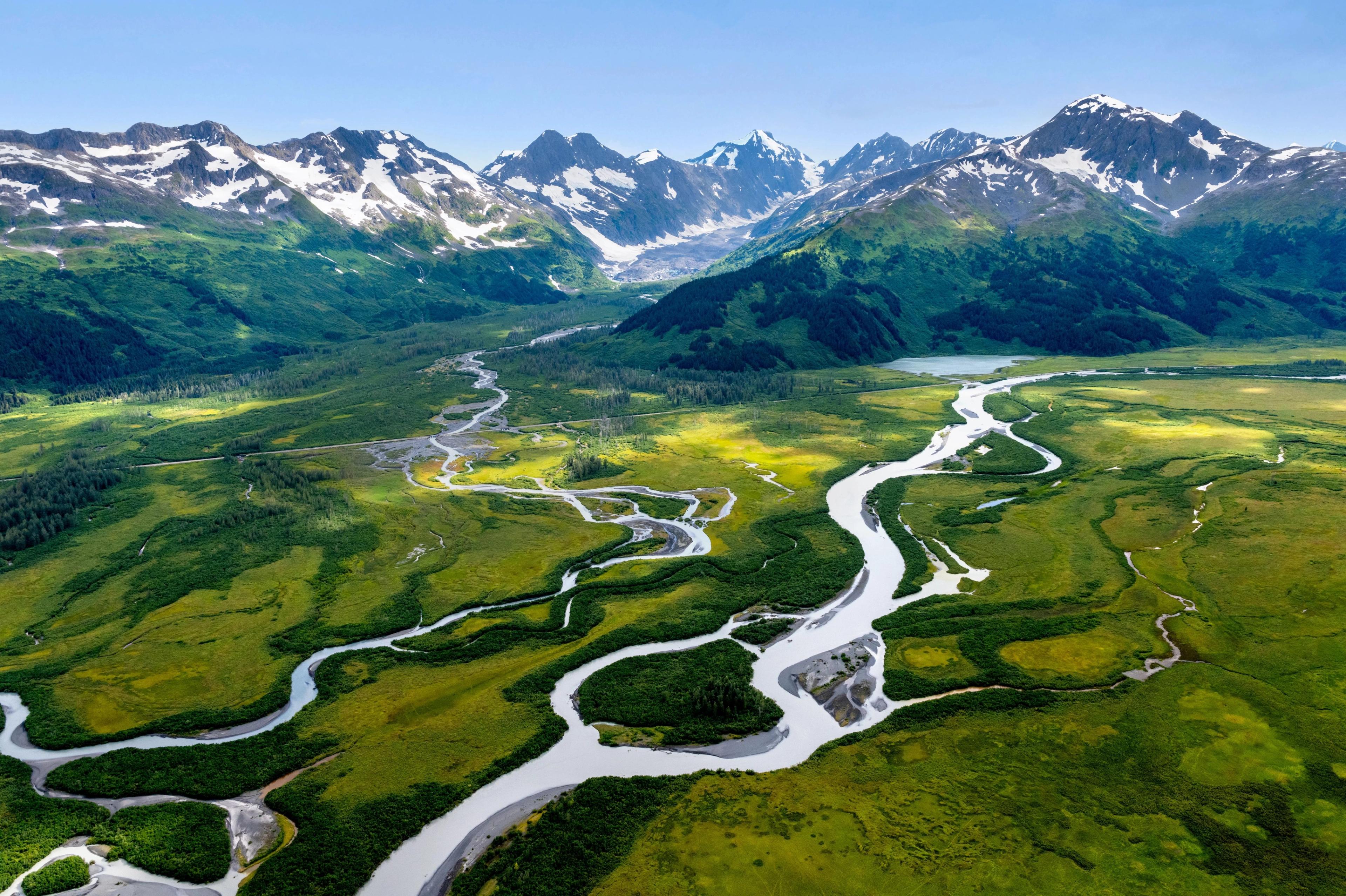
Alaska is often referred to as the Last Frontier, and for good reason. It’s the largest state in the United States, larger than Montana, Texas, and California combined. It is mostly unpopulated, an immense swath of untamed and pristine landscape that serves as an ideal background for outdoor adventures including hiking and wildlife excursions.
This ancient land spans over 570,000 square miles — peppered with snow-covered mountains, sparkling glaciers, and dense forests — and it boasts more than 33,000 miles of coastline hugged by both the Pacific and Arctic Oceans. A cruise to Alaska, also known as the “Great Land,” is one of the best ways to soak in this unfiltered beauty. But this rugged and wild essence translates to its weather conditions, too.
The state is known for its rapidly-changing weather, with punishing winds and rains known to replace sunny skies in the blink of an eye. Daily changing highs and cools therefore require you to dress like an onion. That means many light and warm layers, as well as waterproof gear to protect you against harsh conditions.
Below, we’ll break down exactly what you need to pack to stay warm and dry when exploring the Last Frontier.
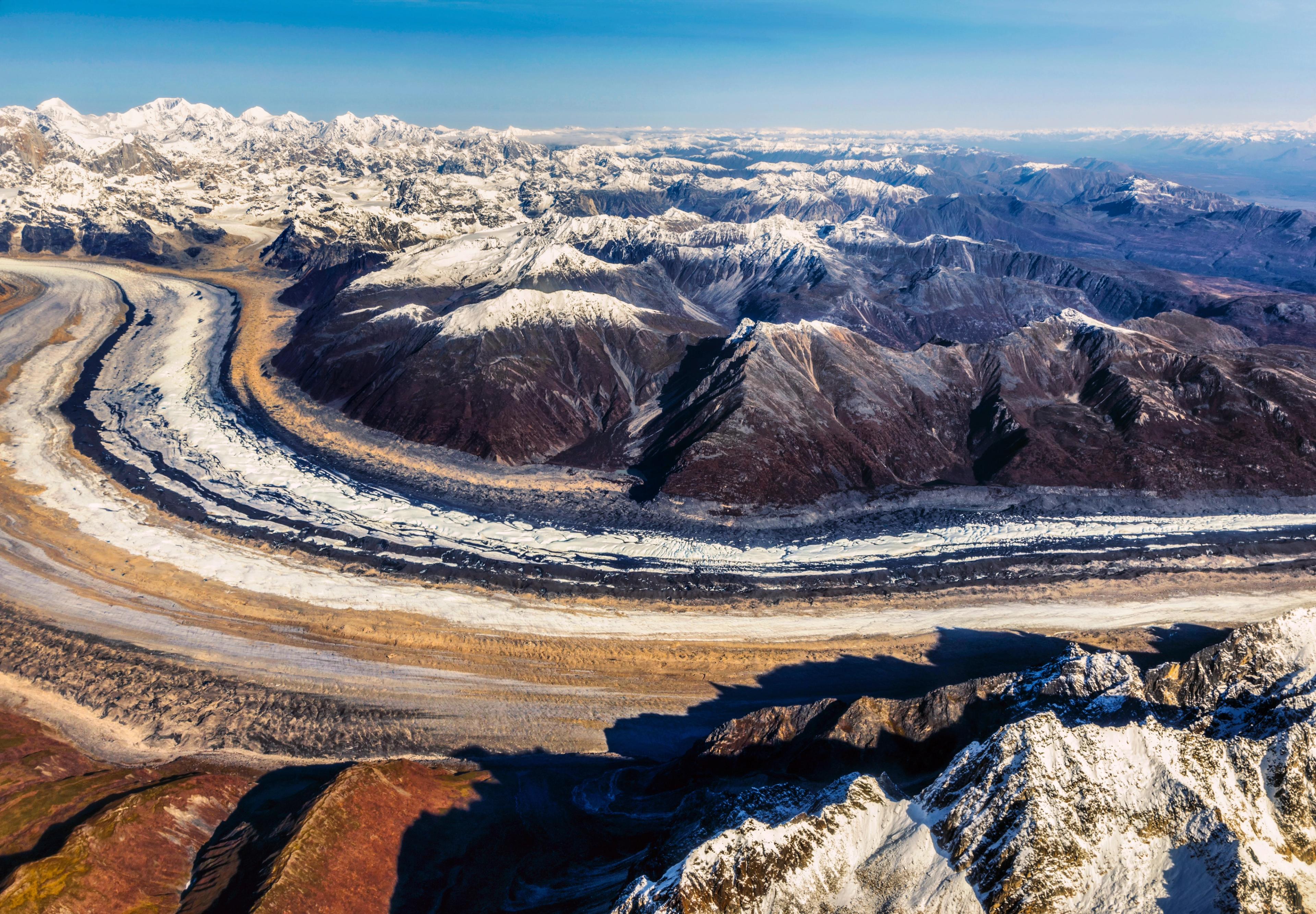
Away From Everything, Close to the Sublime
With glaciers the size of sky scrapers, bears as big as buses and snow-capped mountains that stretch high into the heavens, Alaska is an outdoor enthusiast’s dream.
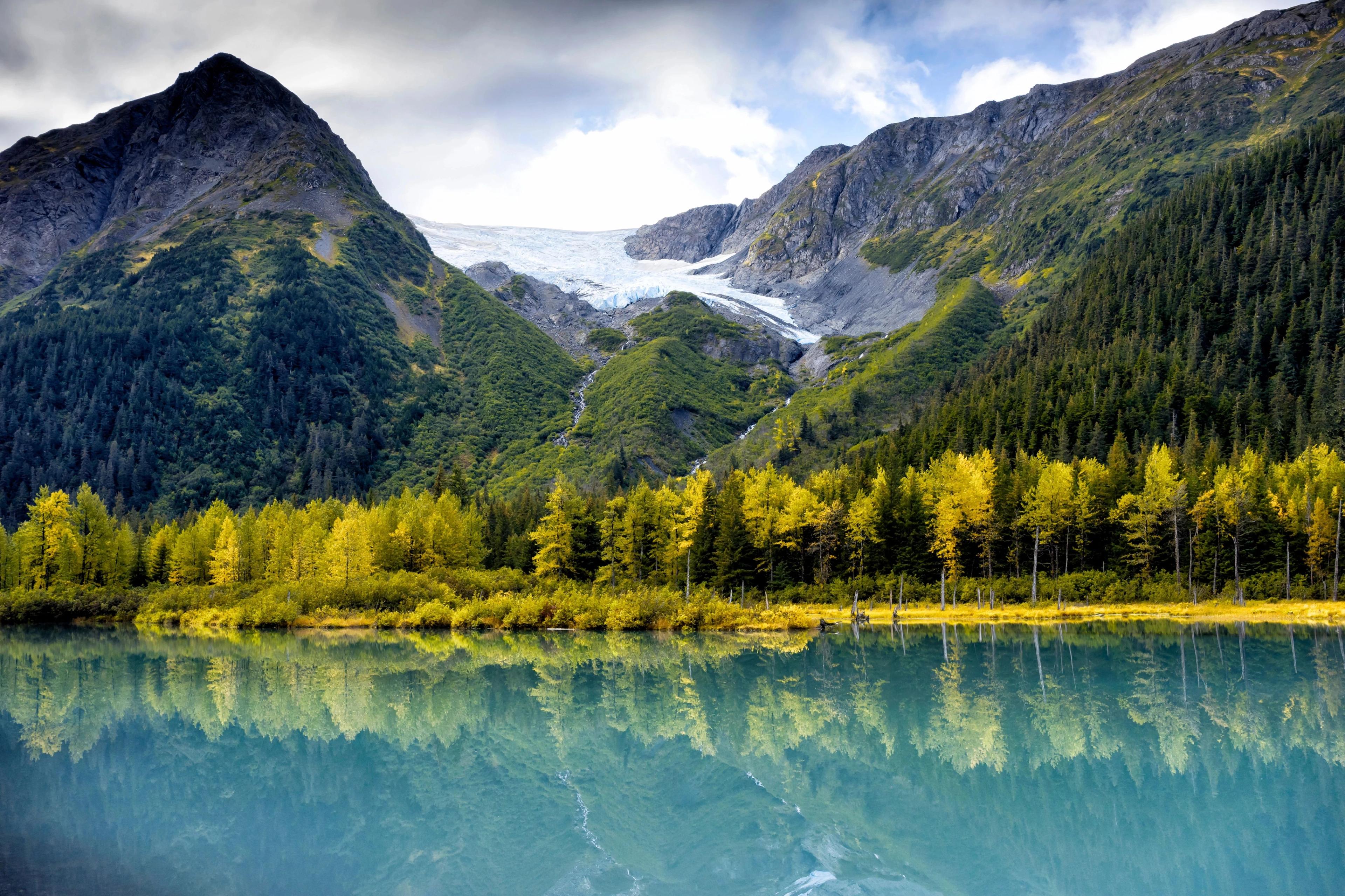
How to pack for Alaska's weather: clothing essentials
Alaska’s weather is known to be highly variable, changing from warm and sunny to cold, windy, and rainy in the span of an hour. If you want to take full advantage of exploring the state’s natural beauty and spend as much time as possible outdoors, you need to have the right clothing. While weather conditions can vary depending on the season, there are a few essentials to always have on hand for an Alaskan cruise.
Base layers and thermal underwear
As the weather rapidly fluctuates, you need to be able to shed layers for when it gets warm and add them for when it becomes chilly. There are three layers you should be packing: an inner one, like long underwear; an insulating one, including fleeces and sweaters; and finally an outer one, which should be a thin, breathable, and fully waterproof shell. This onion-like way of dressing will help you shift and adapt with the fluctuating weather temperatures and conditions.
Waterproof jacket and rain gear
Alaska is wet. While it’s no stranger to dry and sunny spells, rain is an almost near-constant presence. That’s why waterproof rain gear, including jackets and pants, are must-haves to enjoy your experience. Whether you’re glacier-viewing or going on a wildlife excursion, you’ll need your inner layers to stay dry, even when the skies unexpectedly open up. These outer waterproof layers should be lightweight but roomy enough for layering purposes.
Comfortable walking shoes and waterproof boots
As the state is a hotbed for hiking and wildlife excursions, appropriate boots and shoes are essential. Your shoes should have a cushioned insole so that you’re comfortable walking or standing for prolonged periods of time, including on and over uneven surfaces. They should also be waterproof to deal with unexpected rain or for Zodiac wet landings (when you’ll sometimes need to step into shallow water), and have good traction to tackle muddy and slippery conditions.
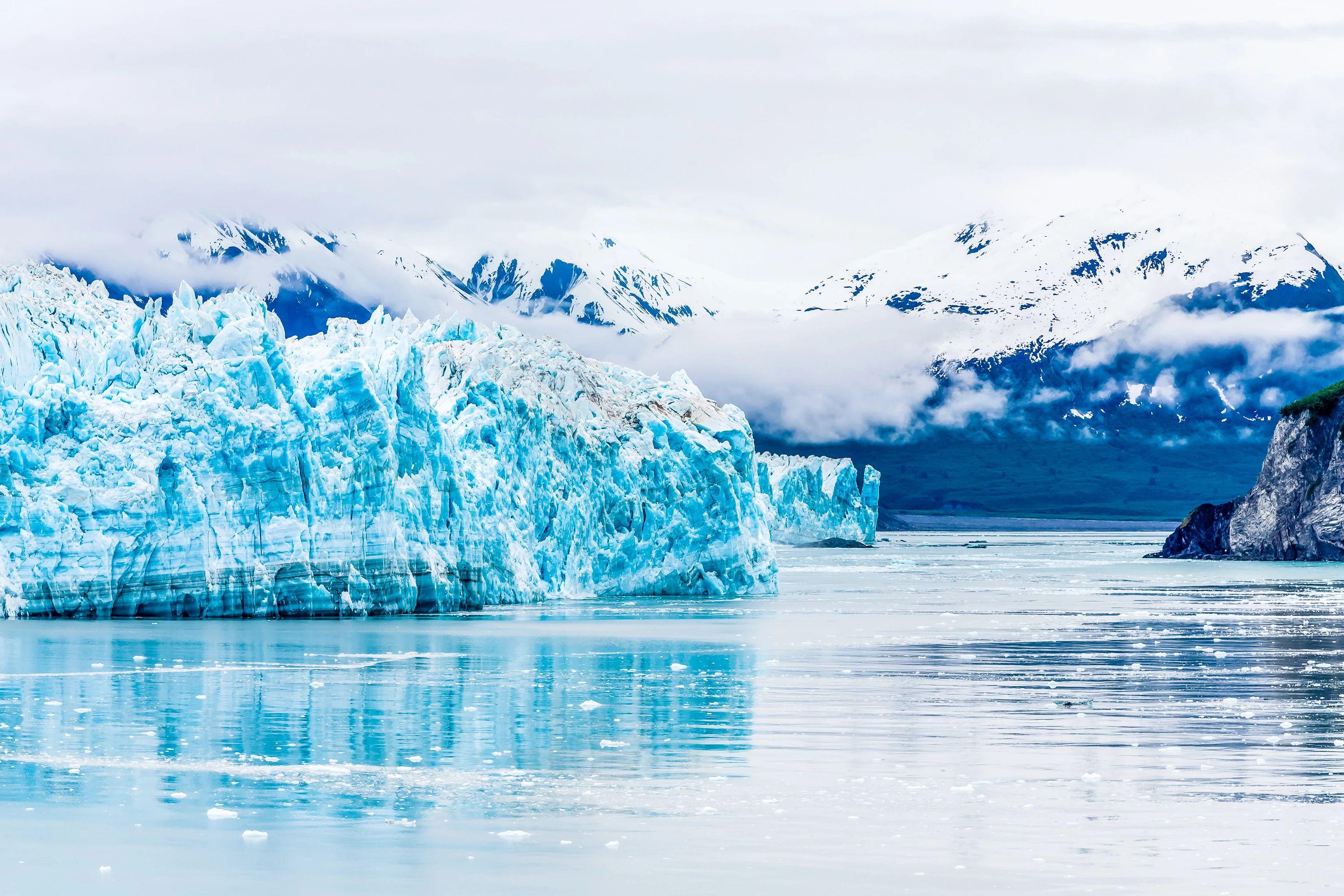
What to pack for glacier viewing
Alaska is home to over 100,000 glaciers, and the state’s southcentral and southeastern regions are among the best places in the world to view them. These natural wonders cover about 29,000 square miles of the state and can be marvelled at via air, foot, and sea. While glacier viewing is undoubtedly one of the best activities in Alaska, a good experience is highly dependent upon your clothing items. Even on warm and sunny days, glacier viewing comes with glacial chills, so be prepared for a 10-to-20 degree drop in temperature.
What to pack for glacier viewing by foot
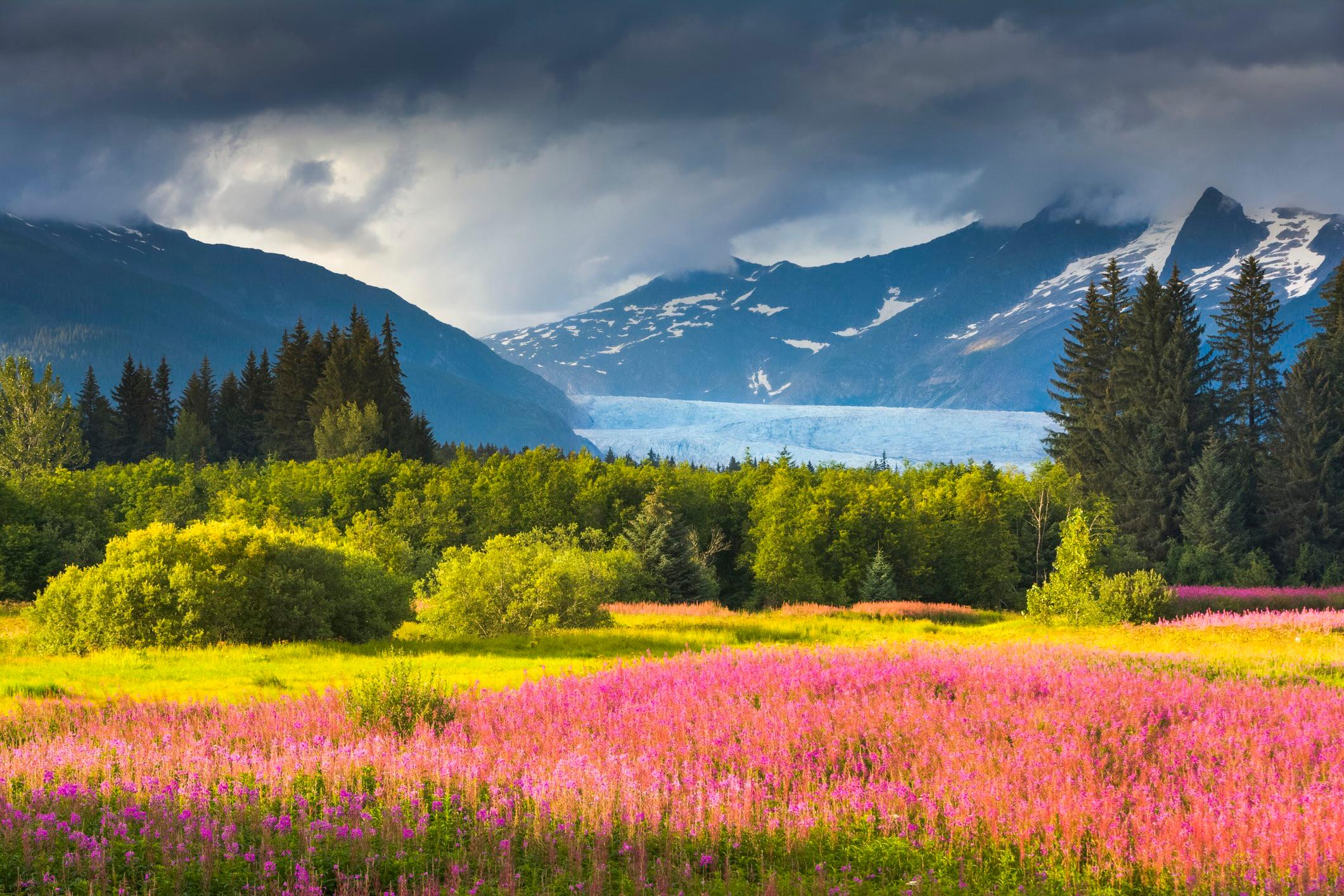
A land-based glacier tour is one of the best ways to get up close and personal with a glacier. The Mendenhall Glacier, a great sightseeing option for when you’re at port in Juneau, provides views of towering ice blocks and pools of Gatorade-blue water. To stay warm, you’ll want to wear your three inner, insulating, and outer layers. Layered merino wool socks, gloves, and hats like beanies can provide extra protection against the elements. Finally, you’ll want to pack warm and waterproof boots with good grip and traction and polarized sunglasses to reduce glare.
What to pack for glacier viewing by sea
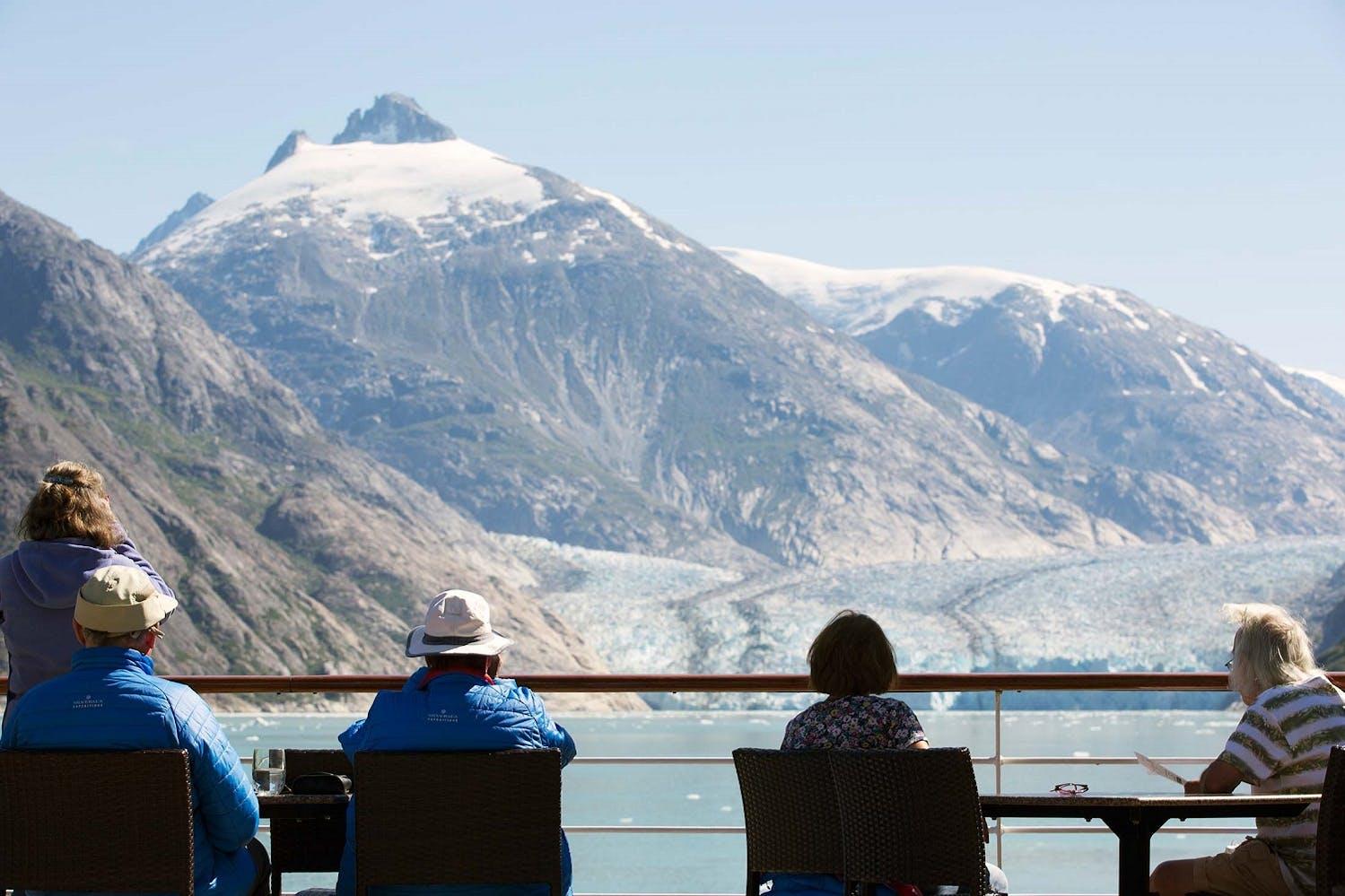
Silversea guests have the opportunity to slip into kayaks and paddle around the fjords that lead to glaciers. Here, among ice-blue water and floating icebergs, guests can view ice walls that stretch for miles and soar hundreds of feet high. For those not so keen on physical activity, these natural wonders can also be viewed by a Zodiac, which can sometimes get close enough to a glacial face to hear its ice cracking and groaning. If you’re lucky, you may even see a chunk of ice break off and crash into the fjord.
These water adventures happen to be very exposed to the elements. In order to stay warm and dry against icy spray and wind, dress in your three base layers and focus on wearing waterproof jackets and pants. Warm hats, gloves, and neck gaiters can also add another insulating layer. Don’t forget to pack a pair of polarized sunglasses and sunblock: on sunny days, the ice reflecting off the glaciers can be near-blinding.
What to pack for glacier viewing by air
A seaplane tour is an opportunity to see parts of Alaska that aren’t easily accessible by car or ship. This is one of the best ways to take in the enormity of the state’s glaciers and to even spot wildlife from an entirely new perspective. While you won’t be readily exposed to the elements during an air tour, it’s still best to dress in several layers, as you may need to access the floatplane via Zodiac. Don’t forget to bring a pair of binoculars and a DSLR camera to zoom in on and immortalize the views from up high.
Here, among ice-blue water and floating icebergs, guests can view ice walls that stretch for miles and soar hundreds of feet high.
What to pack for wildlife viewing and hiking
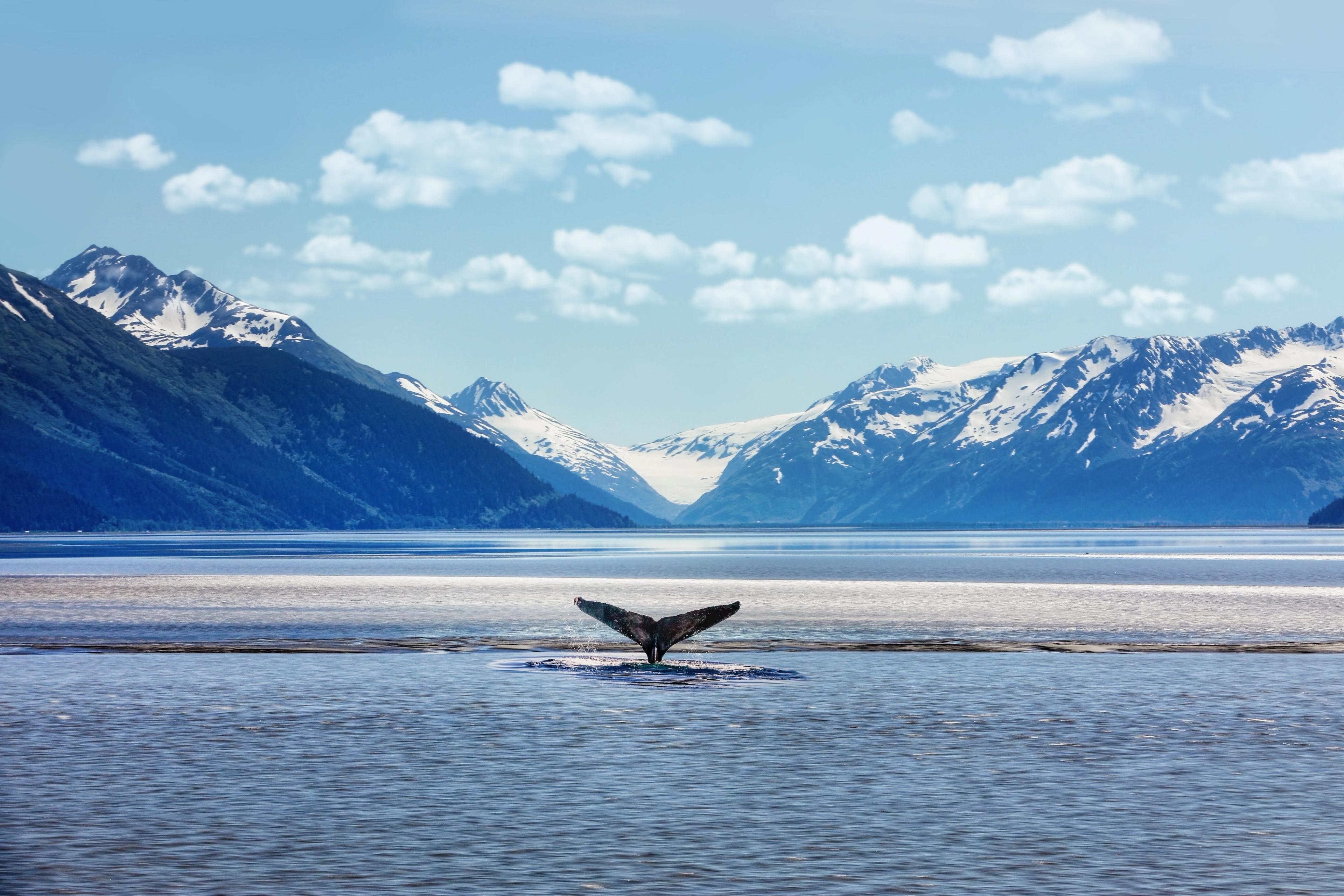
Alaska is known for its wildlife and is home to the so-called “big five,” including black and brown bears, moose, Dall sheep, wolves, and caribou. That’s not to mention the bald eagles that prowl the skies, the salmon that lace the rivers, and the humpback whales, orcas, sea otters, and puffins that inhabit the state’s coastal areas.
Silversea guests can view wildlife by going on Zodiac tours or by embarking on hiking excursions to places like Denali National Park and Preserve, which encompasses six million acres of rugged and untamed landscape. The Alaska Wildlife Conservation Center, located 45 minutes south of Anchorage, is perhaps the only place in the state where you are guaranteed to see Alaskan wildlife.
Here’s what you should be packing to take full advantage of wildlife viewing and hiking in Alaska.
Binoculars and camera gear for wildlife spotting
Binoculars are essential for wildlife viewing in Alaska as they allow you to spot animals from a safe distance and against harsh backdrops like tundras, forests, and glaciers. A good pair of binoculars with at least 10X magnification power can bring distant bears, eagles, and whales right before your eyes, all without actually disturbing the animals. You’ll also be able to identify animal behaviors and details that you wouldn’t normally be able to see with the naked eye, allowing you to truly immerse yourself in Alaskan wildlife.
You’ll likely want to immortalize your trip, so investing in a decent camera is key. To take good pictures in Alaska you’ll want a wide angle lens for shooting landscape photos, and a strong telephoto lens, between 100-400mm or 150-160mm, for capturing distant wildlife.
Daypack and Shore Excursion essentials
A compact daypack is key for safely storing your essentials while keeping your hands free on Shore Excursions. Your daypack should include extra layers like socks, a waterproof dry bag for keeping valuable gear safe, binoculars, a refillable water bottle, polarized sunglasses to reduce glare, and sunscreen.
Other travel gear you’ll want to pack
Aside from layers and waterproof clothing items, these additional travel accessories will ensure that you can take in the immensity of Alaska's pristine landscape in comfort.
Waterproof bag and dry bag
From Alaska’s coastal areas to its wet temperate forests, Alaska is prone to misty and damp conditions. A waterproof bag or dry bag will protect your valuable items, including camera gear and extra layers, from rain and sea spray on excursions like kayaking or Zodiac trips.
Phone, chargers, and power essentials
Excursions off-ship may be hours-long affairs, so it’s always recommended to have portable chargers on your person in case you need to juice up your phone and other electronics. These small but essential accessories will ensure that your phone is always ready, whether it’s to record a wildlife encounter or in cases of emergency.
Sunscreen, insect repellent, and skincare
Believe it or not, sunscreen is an essential for visiting Alaska, even outside of the warmer summer months. The sun’s rays are capable of piercing through thick cloud cover, and they’re intensified when they bounce off water and glaciers. The UV exposure is also stronger at high-altitude terrains.
During the summer months, Alaska experiences between 19 and 24 hours of daylight, which can increase the risk of sun damage. Don’t forget to pack a broad-spectrum sunscreen with at least SPF 30 as well as lip balm to prevent sunburns and blisters. Packing skincare like creams and gels infused with aloe vera can also be helpful for soothing sunburns.
Insect repellent is a must-have for Alaska’s intense mosquito and black fly season, which usually runs between June and August. These insects are usually confined to inland areas like mountain ranges and the tundra. Opt for bug sprays containing at least 20% DEET or 20% Picaridin to help prevent bug bites. Be mindful that insects like mosquitoes are usually most active at dawn and dusk, so time your Shore Excursions in between these times if possible.
Medications and seasickness remedies
Packing preventive seasickness remedies is essential for a cruise, as Alaska’s infamously variable weather can translate to some pretty choppy and rough water. Rough seas can trigger motion sickness, even in those who may not suffer from it often.
Over-the-counter remedies like Dramamine and Bonine are quick solutions, and they have the added bonus of being compact enough to pack away into a daypack. It’s best practice to take these medications before you start feeling sick. Ginger candies and tea are also helpful natural remedies to have on hand to fight off nausea.
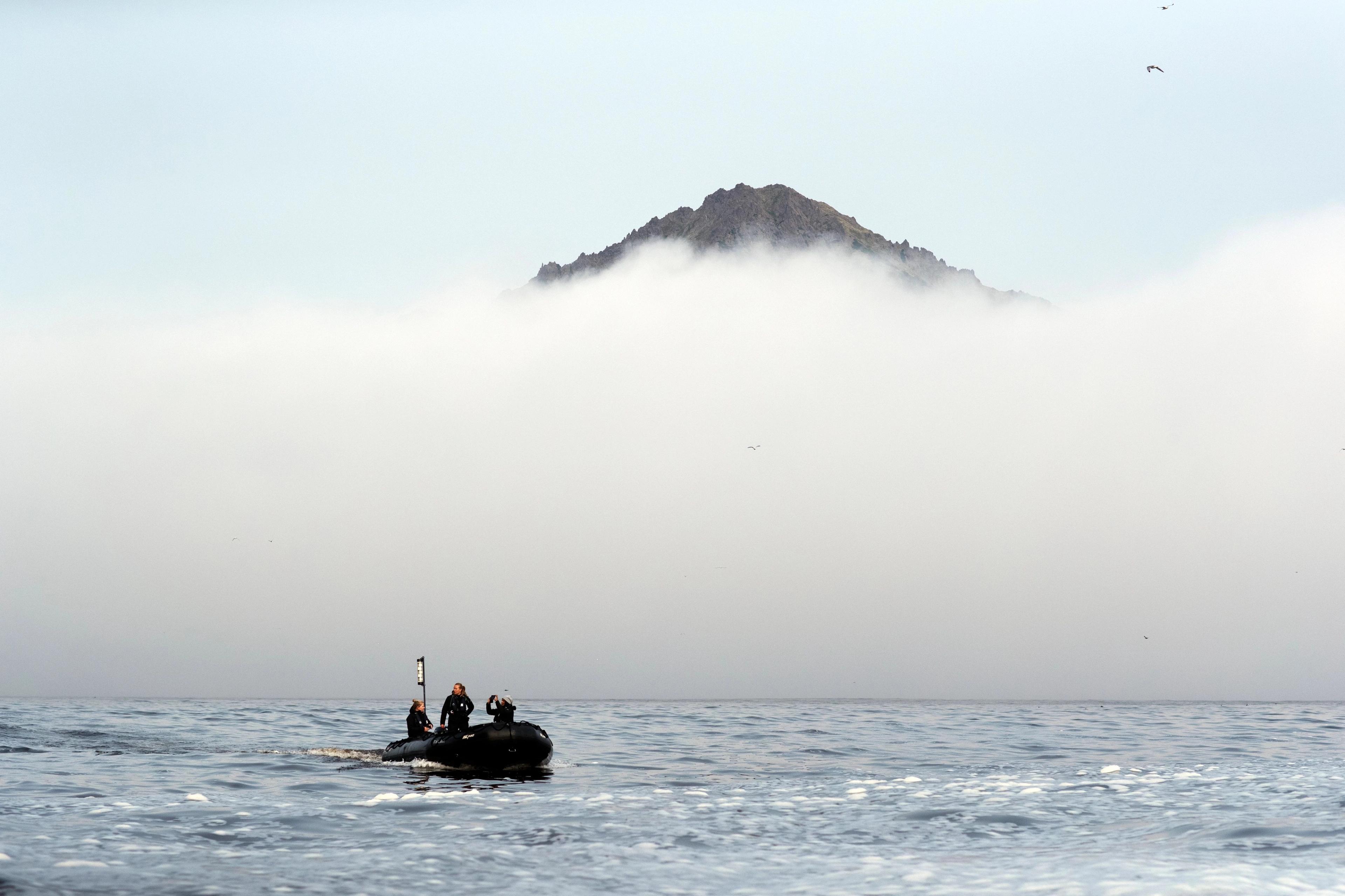
What not to pack for an Alaska cruise
Alaska is all about functionality, and its weather is pretty unforgiving to those who don’t pack properly. With that being said, there are definitely a few items that are better off being left at home.
Large umbrellas
Alaska’s wind will scoff at your paltry umbrella and snap it with one large gust. To protect against rain and wind, opt for a waterproof rain and wind jacket with a hood that can be tightened around your face to keep you warm and dry.
Open-toed shoes
Even on warm and sunny days, open-toed shoes are impractical at best. The state is wet and home to some pretty slippery and muddy conditions. Close-toed waterproof hiking boots with a comfortable cushioned insole should be your priority footwear.
Too many jeans
While they may be comfortable, they’re not exactly the best at tackling Alaska’s harsh weather conditions. Jeans are often heavy and slow to dry, so waterproof rain pants or moisture-wicking and quick-drying hiking pants will hold up better against wet and damp conditions.
Heavy parkas or down jackets
Alaska can definitely get chilly, but a heavy parka or down jacket will not only bog you down and limit your range of motion, but will likely also cause you to overheat when temperatures see-saw. Instead, you should opt for a waterproof shell that’s roomy enough for layering sweaters, fleeces, and thermal underwear underneath.
What should you wear for onboard evenings?
While casual wear is always allowed in outdoor venues, Silversea has an Elegant Casual dress code everyday. After 6:00 p.m., indoor venues, including restaurants, call for polished evening attire. Refined denim, high-end jeans, upscale sneakers, and dress sneakers fit within the dress code, while ripped or distressed denim, athletic shoes, shorts, hats, caps, and flip-flops are not permitted in indoor spaces.
Ladies’ evening wear can include blouses and light sweaters with trousers, casual dresses or skirts, and shoes like flats or sandals. Gentlemen, on the other hand, are allowed to wear collared shirts, light sweaters, casual trousers, and footwear like sneakers or loafers.
Silversea may also include Formal Optional nights, where guests are welcome to wear formal evening wear, such as evening gowns and cocktail dresses, or dinner jackets and tuxedos. The number of formal evenings depends on the length of the voyage. For example, there are no Formal Optional nights on sailings of seven days or less, while on sailings of eight to 14 days, guests can expect one or two Formal Optional nights.

While casual wear is always allowed in outdoor venues, Silversea has an Elegant Casual dress code that’s everyday. After 6 p.m., indoor venues, including restaurants, call for polished evening attire.
Discover Alaska’s rugged beauty
A cruise to Alaska is one of the best ways to immerse yourself in the state’s wild and rugged beauty. From its rainforest and glaciers to its rich wildlife and wind-lashed coastlines, the state is best experienced via a cruise, which offers prime access to these remote areas.
Silversea offers Alaska cruises ranging from seven to 14 days, carrying guests into the region’s wild beauty on small ships designed for comfort, discovery, and a deeper connection to place. With one of the highest crew-to-guest ratios in the industry, multiple dining options, expert guides, and authentic experiences, each voyage brings adventure into balance with ease.
Guests might cruise Hubbard Glacier, the largest glacier in North America, embark on wilderness sea kayaking journeys, relive the spirit of the Gold Rush with a team of Alaskan huskies, or hike in the country’s largest national forest — discovering firsthand why Alaska is known as the Last Frontier.
Ready to discover Alaska’s rugged beauty? Explore Alaskan cruises and start planning your trip today.