Best Time to Visit Alaska: Cruises, Wildlife & Northern Lights
- Published on
- Author
- Reading time
- 7 mins
The Best Time to Visit Alaska By Season
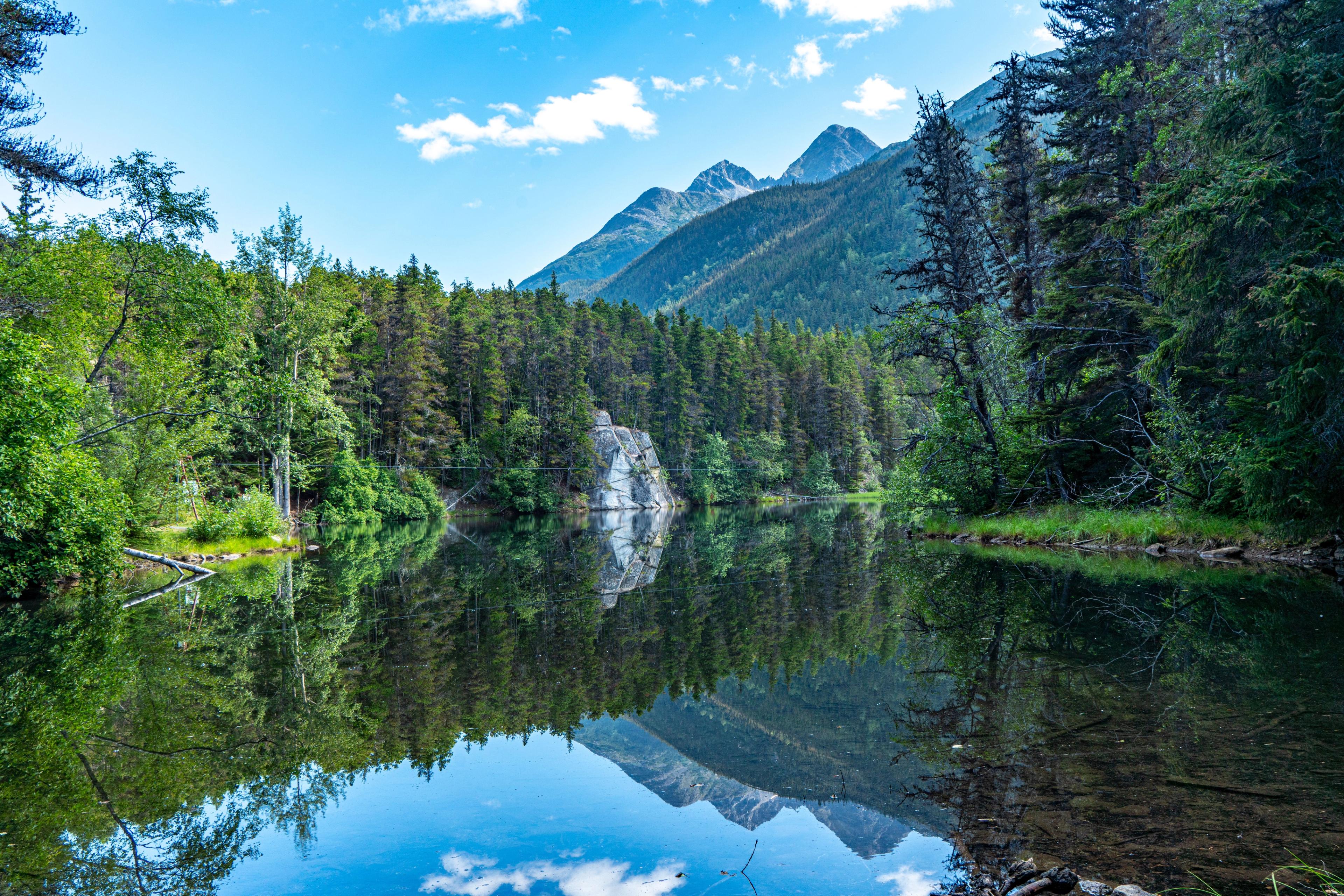
Each season reveals a different side of Alaska. Spring unveils awakening landscapes under crisp skies, summer thrives with wildlife and endless daylight, autumn cloaks valleys in color, and winter brings the northern lights across snowbound horizons. Understanding the seasonal changes helps travelers choose the Alaska that fits their journey.
Away From Everything, Close to the Sublime
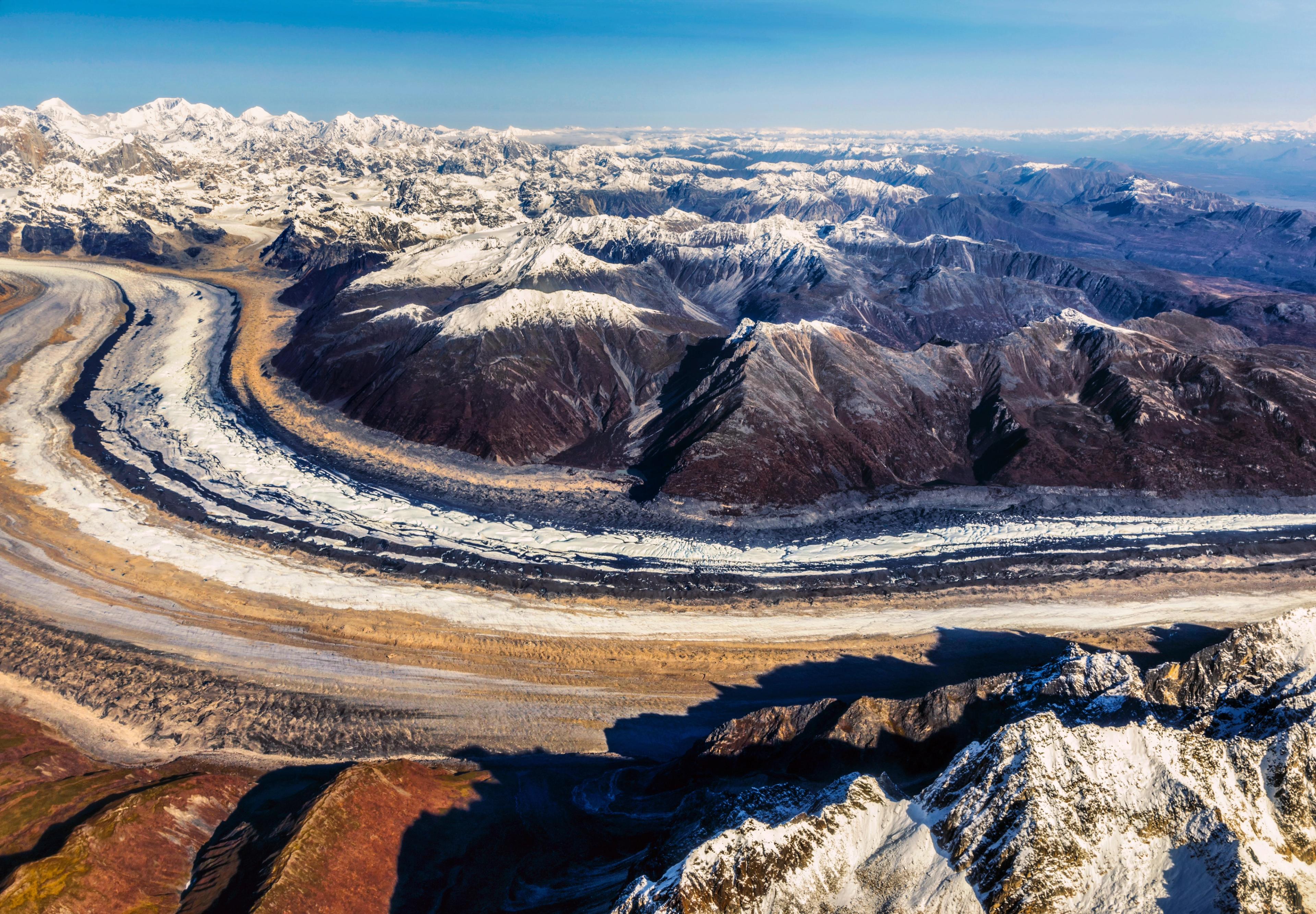
With glaciers the size of sky scrapers, bears as big as buses and snow-capped mountains that stretch high into the heavens, Alaska is an outdoor enthusiast’s dream.
Spring in Alaska (April–May): Awakening Landscapes
In spring, Alaska begins to stir after months of winter. Snowmelt feeds rivers, waterfalls tumble down cliffs, and wildflowers start to edge the valleys. The peaks remain capped in white, creating striking contrasts across the landscape.
- Weather: Average highs range from 45°F to 60°F. Days grow longer, skies are often clear, and rainfall is lighter than in summer. Evenings remain cool.
- Wildlife: Gray whales migrate north in April, followed by humpbacks in May. Bears emerge from hibernation to forage, and bald eagles nest in the treetops.
- Experiences: Hiking trails at lower elevations open first, offering views of mountains still wrapped in snow. Excursions feel quieter, and glacier viewing is especially dramatic against winter’s lingering touch.
Summer in Alaska (June–August): Alaska at Its Most Abundant
Summer is when Alaska feels boundless. In June and July, daylight can last up to 20 hours, washing mountains, fjords, and forests in golden light that lingers well past midnight. Ports bustle, trails are open, and the wilderness is alive with movement.
- Weather: The warmest season, with coastal highs between 60°F and 75°F. Expect a mix of sunshine and showers, often changing quickly.
- Wildlife: Salmon runs peak, drawing bears to rivers in unforgettable numbers. Humpback whales feed in pods, orcas patrol the coast, and moose graze across the tundra.
- Experiences: Watch glaciers calve into fjords with thunderous force, kayak among icebergs, or hike in Denali under the midnight sun. Towns host lively markets and festivals, highlighting Alaska’s living culture.
Autumn in Alaska (September–October): Quiet Splendor
Autumn changes the rhythm of Alaska. Days shorten, the air turns crisp, and forests blaze in hues of gold, amber, and crimson. The first snow dusts the mountains, and the landscape feels quieter, more reflective.
- Weather: Highs drop to 40°F–55°F. Rain is common, but cooler days often bring clear skies and vivid views of foliage against snowy peaks.
- Wildlife: Moose and caribou enter rutting season. Bears linger through early September before retreating. Migratory birds begin their long flights south.
- Experiences: Nights grow dark enough to reveal the northern lights. Excursions are more intimate, and ports take on a calmer, slower pace.
Winter (November–March): The Season of Northern Lights
Winter transforms Alaska into something otherworldly. Snow blankets the land, and the sky often dances with the aurora borealis — green and violet ribbons shifting across the night.
- Weather: Cold and often below freezing, with daylight limited to 4–7 hours depending on the region. The interior is deepest in snow, while coastal towns remain slightly milder.
- Wildlife: Bald eagles, lynx, and wolves endure the season. Dog sled teams race across frozen rivers, keeping traditions alive.
- Experiences: This is the season for aurora viewing, dog sledding, ice fishing, and cultural festivals that reveal Alaska’s winter spirit.
The Best Time to See Wildlife in Alaska
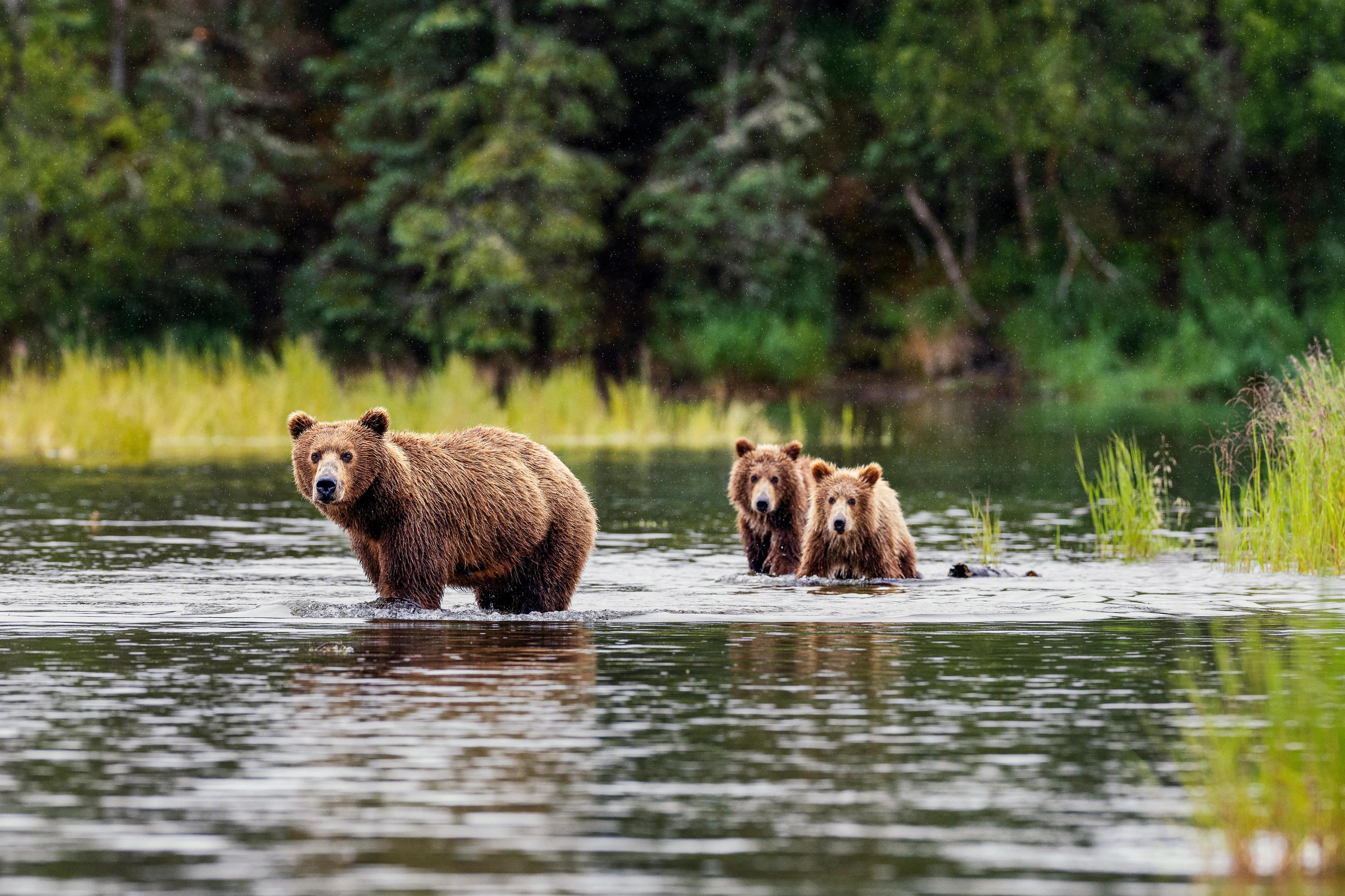
The best time to see wildlife in Alaska is from June through August, when salmon runs draw bears to rivers, whales feed in coastal waters, and eagles soar above. These summer months offer the widest variety of sightings, though spring and autumn bring their own highlights.
- Whales: Gray whales pass in April and May, humpbacks peak June through August, and orcas appear all summer.
- Bears: July and August are prime months to see bears fishing during salmon runs; they begin emerging from hibernation in May.
- Moose and Caribou: Common in summer, with rutting season in September offering dramatic encounters.
- Eagles: Present year-round, with numbers rising in late summer when salmon runs are strongest.
The Best Time to See the Northern Lights in Alaska
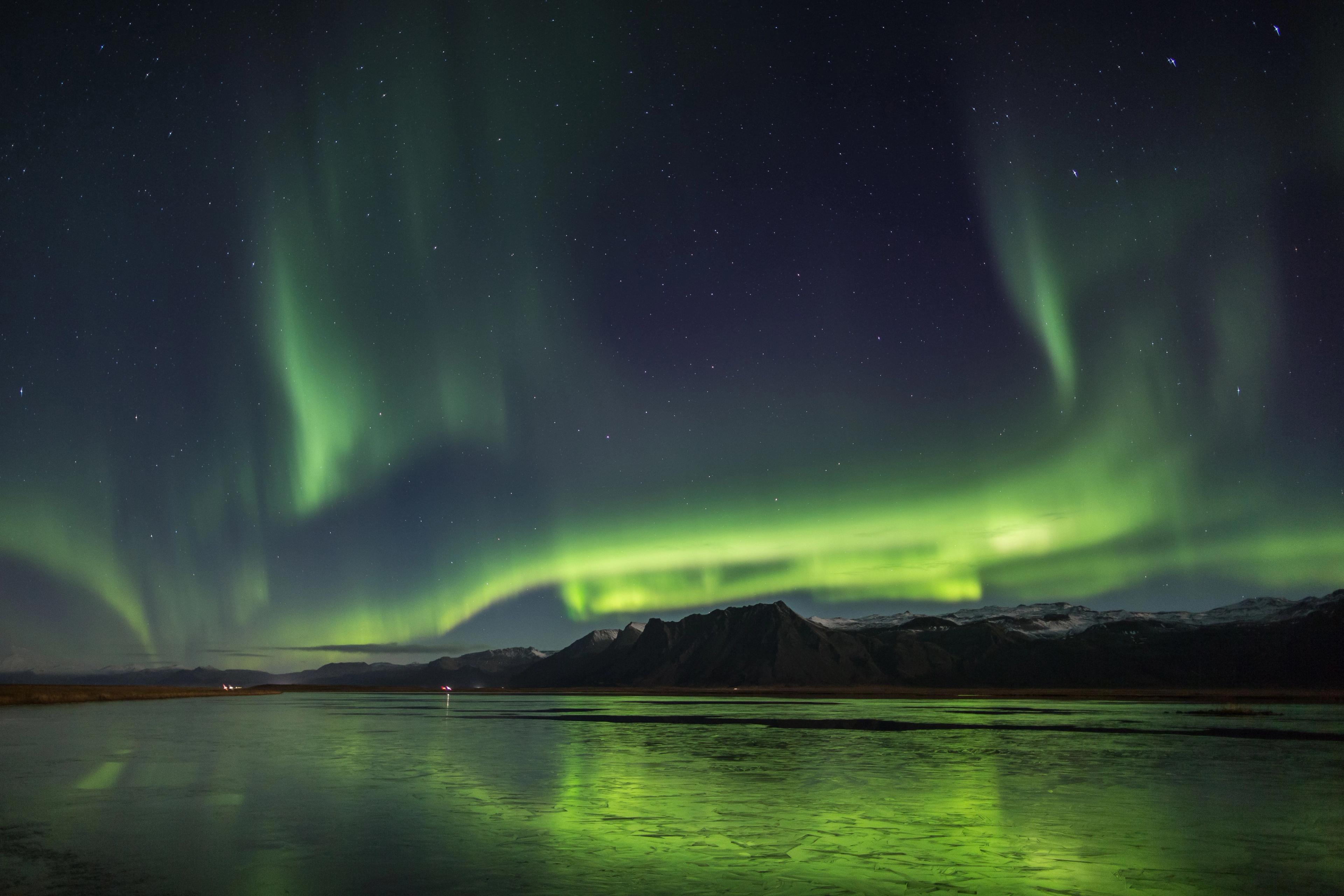
The best time to see the northern lights in Alaska is from September through March, when nights are long and skies dark enough to reveal the aurora.
- Prime Viewing Months: December and January usually have the clearest skies.
- Summer Visibility: The aurora is active year-round, but Alaska’s long summer daylight makes it nearly impossible to see.
- Best Locations: Fairbanks and interior Alaska offer the most reliable displays, though the aurora can sometimes be seen from Anchorage and coastal regions.
The Best Time to Visit Alaska for Excursions & Experiences
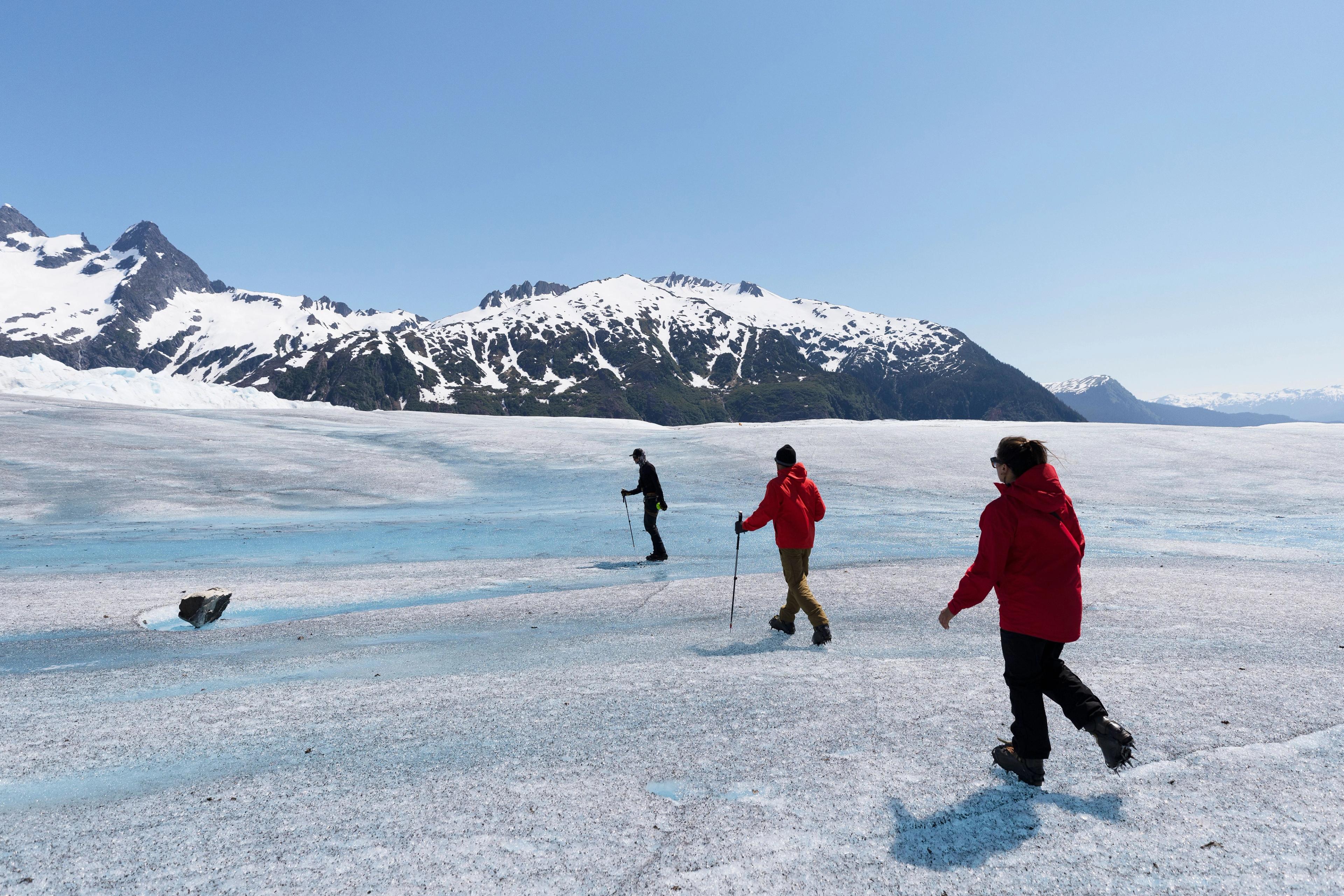
The best time to visit Alaska for specific experiences depends on the activity. Summer is best for glaciers, wildlife, hiking, and festivals, while shoulder seasons add unique perspectives.
- Glaciers: Spectacular all summer, with the most dramatic calving in July and August.
- Fishing: Salmon runs peak in midsummer; halibut fishing is best from May through September.
- Hiking: Trails are fully open June through September, with snowcapped peaks early in the season and autumn colors later.
- Festivals: June and July are peak months for cultural events in coastal towns, filled with markets, music, and art.
The Best Time to Visit Alaska on a Cruise
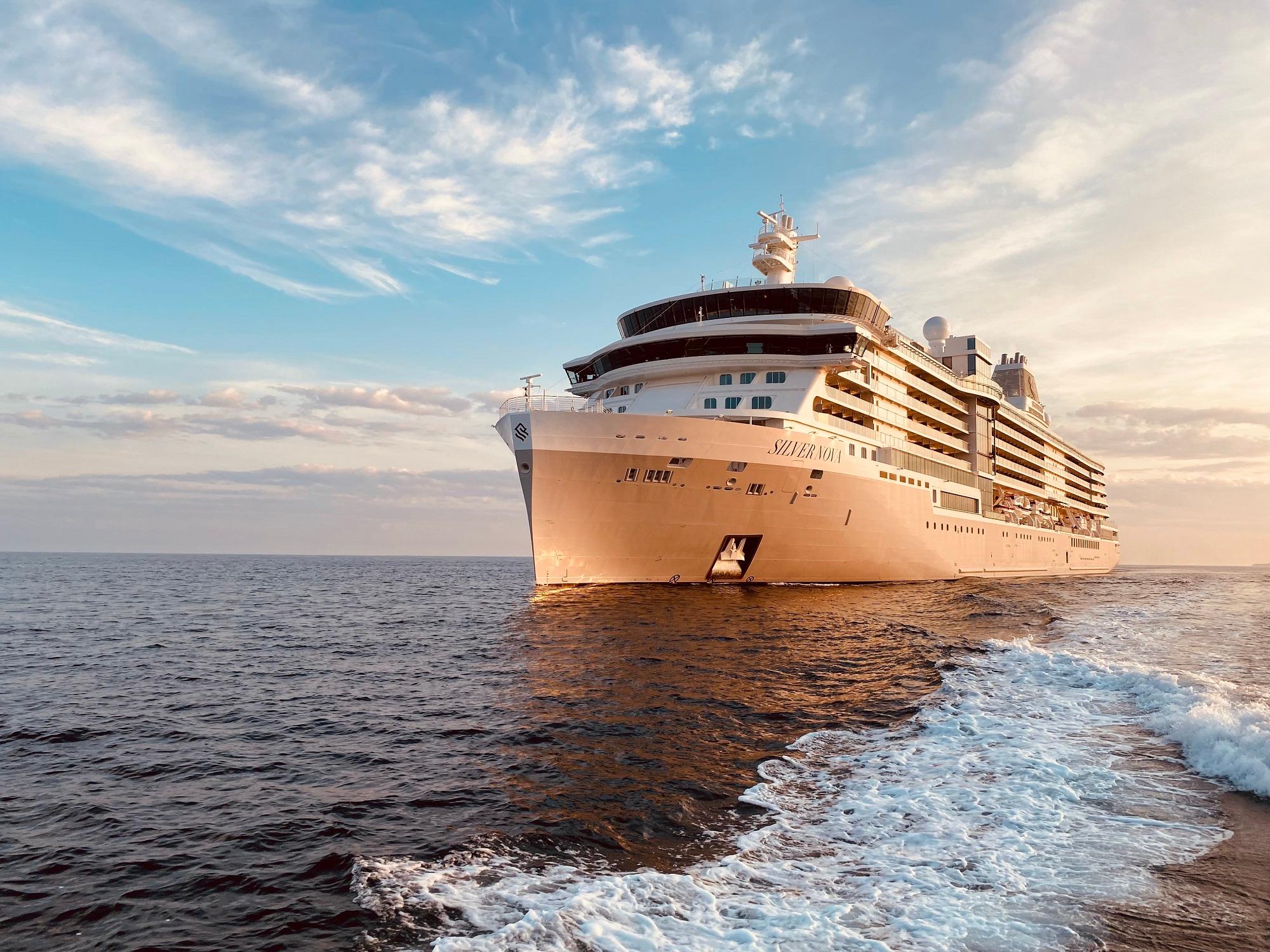
For many travelers, seeing Alaska from the water is the quintessential experience — fjords unfolding before you, glaciers meeting the sea, and wildlife appearing along the horizon. The best time to cruise Alaska is from June through August, when conditions are warmest, daylight is longest, and wildlife is most abundant. Glaciers calve dramatically during these months, and excursions range from kayaking beneath ice walls to flightseeing over Denali.
Shoulder months also hold special appeal:
- May: Snow still clings to the peaks, whales migrate north, and ports are quieter.
- September: Crisp days bring vibrant foliage, fewer travelers, and a chance — rare in summer — to glimpse the northern lights.
Whether you seek the energy of peak summer or the intimacy of spring and autumn, a cruise to Alaska reveals the wilderness from a perspective few ever forget.
Start Your Alaska Cruise Journey
Alaska offers something remarkable in every season. Spring brings clarity and renewal, summer delivers abundance and energy, autumn reveals quieter beauty, and winter offers a glimpse of the aurora’s magic. For Alaska cruises, June through August is the ideal window. For land journeys, the best time depends on whether you prefer long days, vibrant wildlife, or peaceful landscapes. No matter when you go, Alaska rewards travelers with experiences that feel both rare and deeply memorable.