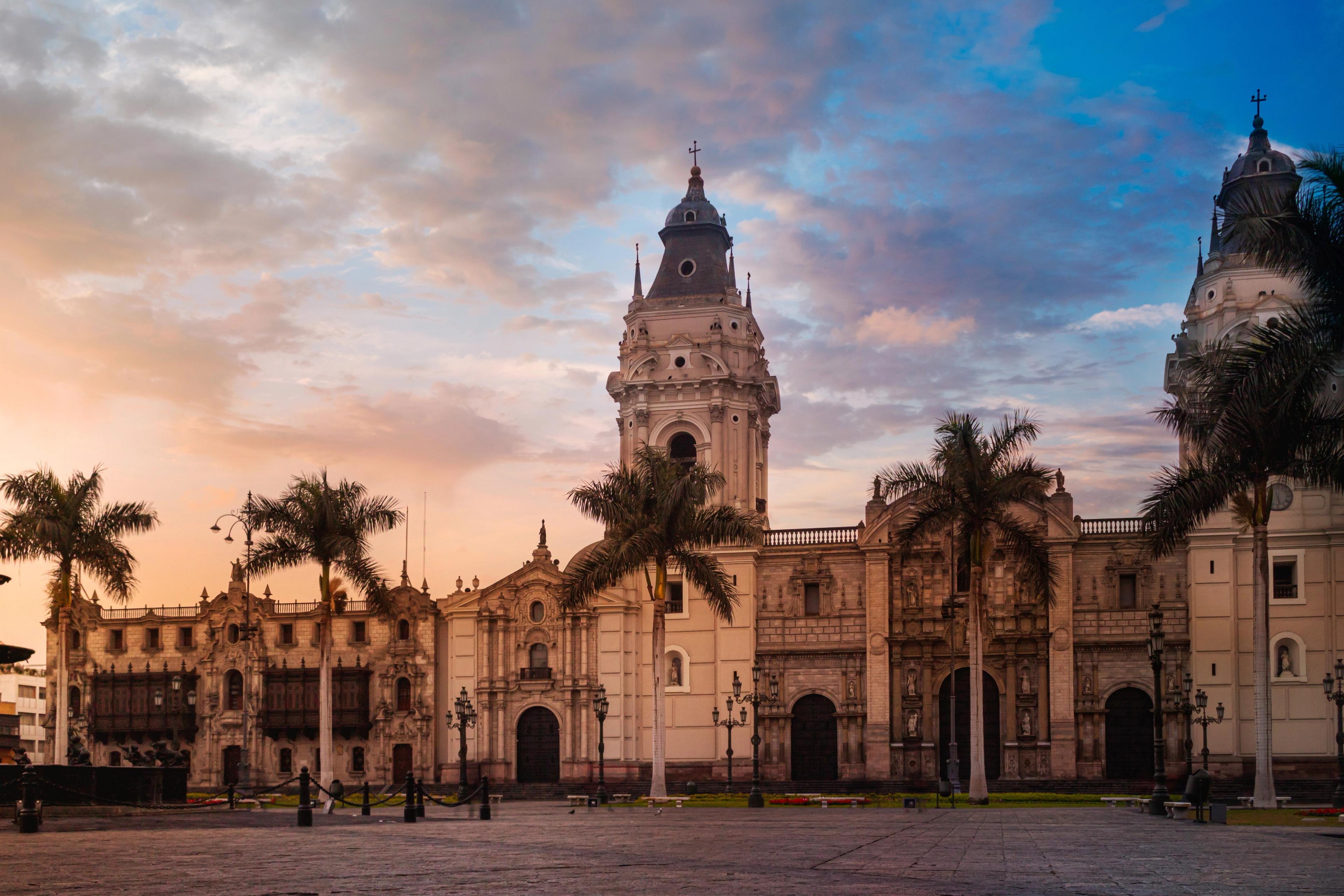
Why Lima, Peru Belongs on Your Travel List
- Published on
- Author
- Reading time
- 6 mins
Lima moves to a rhythm all its own. From the Pacific cliffs of Miraflores to the centuries-old catacombs beneath colonial churches, this is a city where heritage and possibility meet. Peru’s capital is far more than a stopover en route to the Andes. It is a destination of substance, depth, and surprise.
Whether you are drawn by its celebrated cuisine, its pre-Columbian sites, or the distinct character of its coastal neighborhoods, Lima invites a slower gaze. Here are ten defining experiences that reveal what makes Lima unforgettable.
1. A World-Renowned Culinary Destination
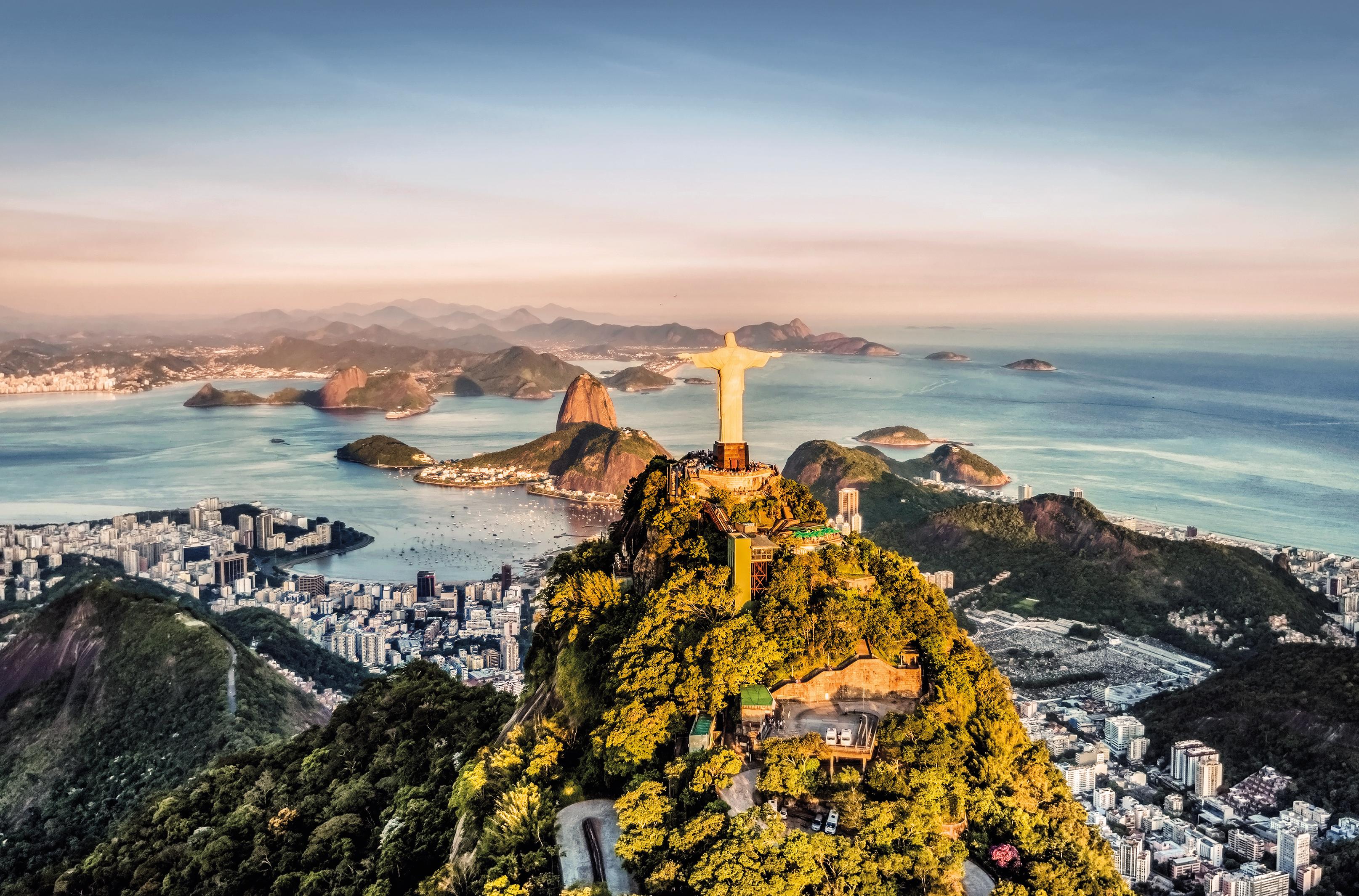
The land of extremes
Home to the world’s greatest extremes including the mighty Amazon River to mythic Rio, to the bucket list Chilean Fjords, explore a continent where the unexpected is never a surprise.
Lima is best known for its extraordinary culinary tradition. The city is home to some of the most acclaimed restaurants in the world, where chefs craft menus shaped by centuries of coastal, Andean, Amazonian, Spanish, African, and Japanese influences.
Dining in Lima is a revelation. A plate of ceviche, bright with lime and ají, connects you to the Pacific. A Nikkei tasting menu reveals how immigration shaped modern Peru. Whether in a market kitchen or an award-winning dining room, food here is cultural memory served with purpose.
2. The Historic Heart of the City
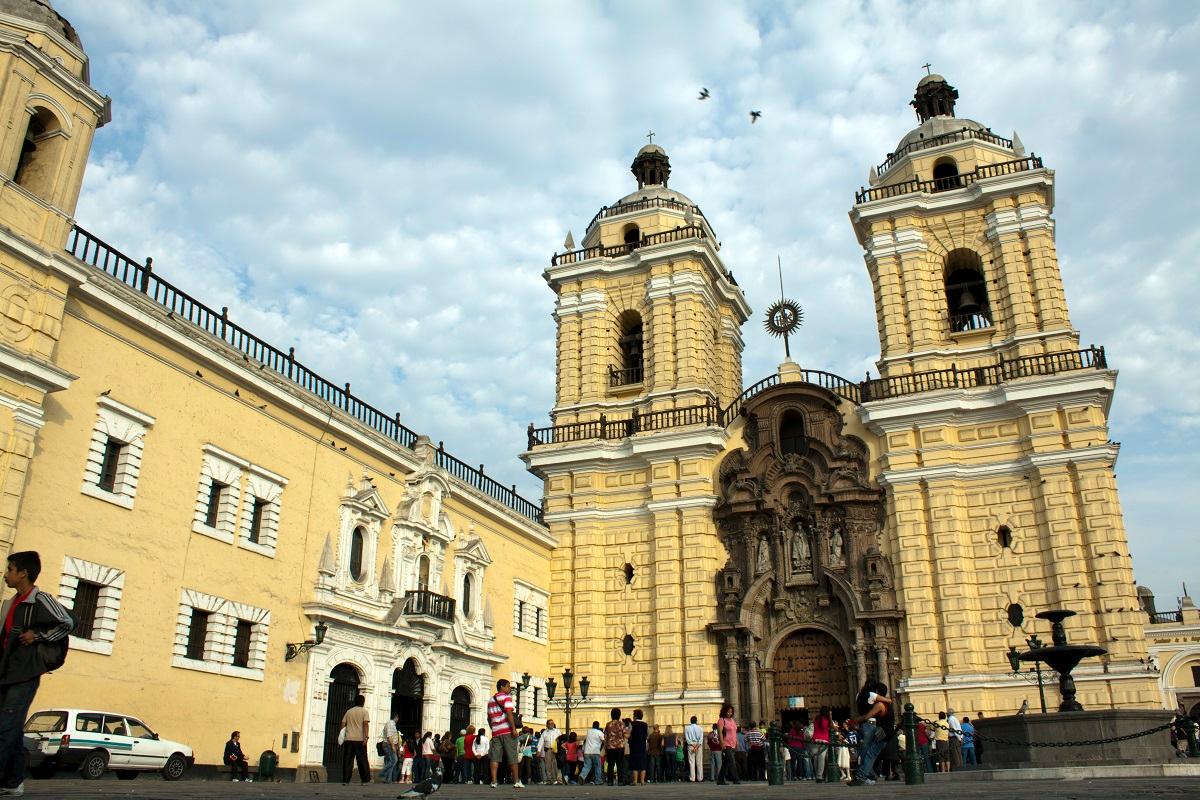
The city’s historic center is a UNESCO World Heritage Site filled with elegant Spanish architecture and grand plazas. Notable landmarks include the Cathedral of Lima, the Government Palace, and the Monastery of San Francisco, where visitors can descend into centuries-old catacombs. These structures preserve the legacy of Lima’s role as a colonial capital and gateway to the Andes.
3. Ancient Civilizations Beneath the Surface
Long before the Spanish arrived, Lima was a ceremonial hub. That past still surfaces in the form of huacas — stepped pyramids of earth and stone that rise unexpectedly within the modern city. Huaca Pucllana in Miraflores and Huaca Huallamarca in San Isidro stand as reminders of Lima’s pre-Incan legacy.
These sacred sites reveal intricate ceremonial practices and burial chambers, offering a rare look into early Andean civilizations, all within view of contemporary apartments and avenues.
4. A Clifftop City Overlooking the Pacific
Lima’s dramatic coastline sets it apart. The Malecón, a landscaped promenade along the cliffs of Miraflores and San Isidro, offers panoramic views of the Pacific Ocean. Walkers, cyclists, and paragliders share the space with sculpture gardens and quiet parks. The sea is never far from view, shaping the city’s character and pace.
5. The Artistic Vibe of Barranco
Barranco, Lima’s most creative district, has long attracted artists, musicians, and poets. This colorful neighborhood features colonial mansions turned into galleries, cobblestone streets lined with cafes, and striking public murals. The iconic Bridge of Sighs and the Mario Testino Museum (MATE) are among its most popular stops. There is a relaxed, bohemian energy that invites lingering.
6. Surf Culture
Few capitals are as connected to the sea as Lima. Lima offers surf-friendly beaches within minutes of its business and cultural centers. The beaches along the Costa Verde, including Playa Makaha and Playa Waikiki, offer reliable waves year-round. Surfers descend the cliffs with boards in hand before paddling out into the Pacific. It’s a lifestyle as much as a sport, and an essential part of the city’s identity.
7. A Celebration of the Pisco Sour
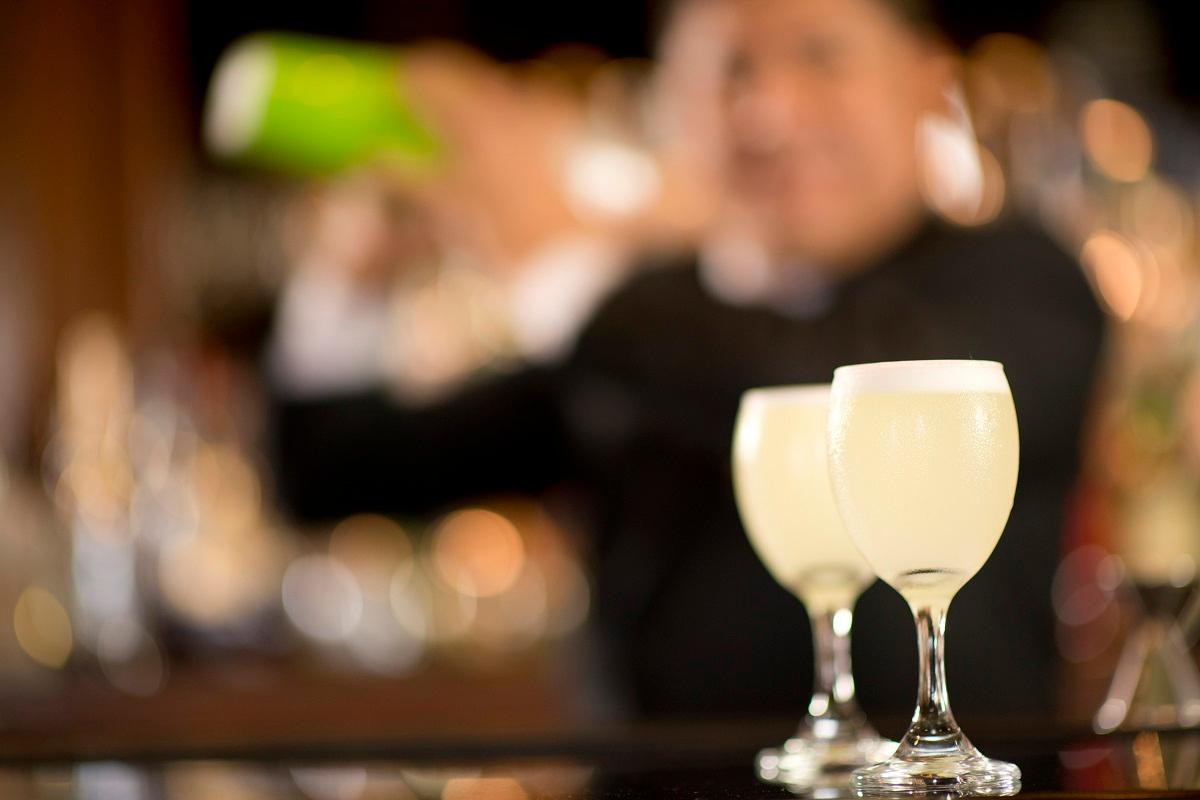
No trip to Lima is complete without tasting the national cocktail. The pisco sour is made with Peruvian brandy, lime juice, egg white, and bitters. Elegant yet approachable, it’s a symbol of hospitality and tradition. Many restaurants and bars in Lima offer their own spin on the classic recipe, often served with a view of the ocean.
8. Exceptional Museums and Private Collections
Lima’s museums are among the finest in South America. The Larco Museum, housed in an 18th-century mansion surrounded by bougainvillea, contains a peerless collection of pre-Columbian gold, textiles, and ceramics. Its chronological display invites guests to follow 5,000 years of Peruvian artistry.
At the Museo de Arte de Lima (MALI), visitors encounter works that span the arc of the country’s creative evolution. These are not simply galleries, but spaces where history and aesthetics converge.
9. Diverse Neighborhoods
Each of Lima’s neighborhoods brings a different atmosphere. Miraflores is cosmopolitan, with upscale shops and lively parks. San Isidro offers a more refined, residential feel. Pueblo Libre maintains a traditional character with historic taverns and quiet plazas. Exploring these areas provides a broader view of the city’s modern identity.
10. A Gateway to the Rest of Peru
Many journeys through Peru begin in Lima. The capital is the primary hub for travel to Cusco, Machu Picchu, the Sacred Valley, and the Amazon Basin. But Lima is more than a stopover. Its coastal beauty, cultural richness, and culinary excellence make it a destination worth lingering in.
What Is Lima, Peru Known For?
Lima, Peru is known for its award-winning cuisine, dramatic cliffside views of the Pacific Ocean, pre-Columbian pyramids, vibrant colonial architecture, and thriving cultural neighborhoods such as Barranco and Miraflores. Lima is best known for being a city of contrasts, where ancient history and contemporary life intertwine through art, food, and tradition. It is both a coastal capital and a cultural gateway to the rest of Peru.
Discover Lima, Peru on a Silversea Cruise
Explore Lima as part of a South America journey that brings together immersive culture and coastal elegance. Whether you're walking the colonial streets of the historic center, admiring ancient temples in the heart of the city, or savoring a fresh pisco sour by the sea, Lima offers something extraordinary at every turn.
Begin your journey with a Silversea South America Cruise, where curated experiences and timeless discovery await.