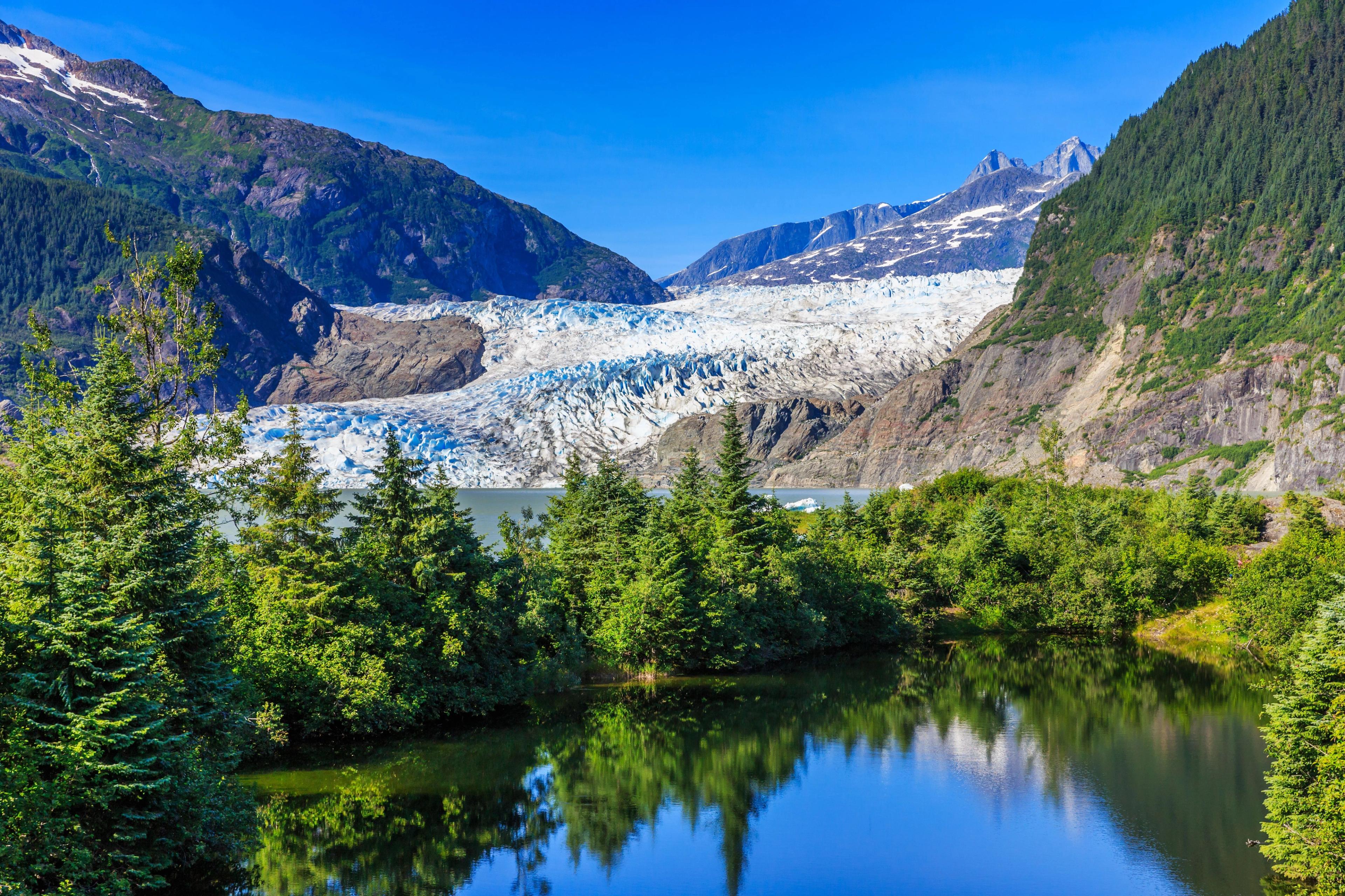
The Best Times & Places to See Moose in Alaska
- Published on
- Author
- Reading time
- 11 mins
The best time to see moose in Alaska is mid-September through early October during the fall rut, or late May to early June during calving season. Moose live in Alaska year-round, but these seasonal windows offer some of the most memorable viewing opportunities. In fall, bull moose are more active and visible as they compete for mates, often with fully developed antlers. In late spring, travelers may spot cow moose with calves from a safe distance.
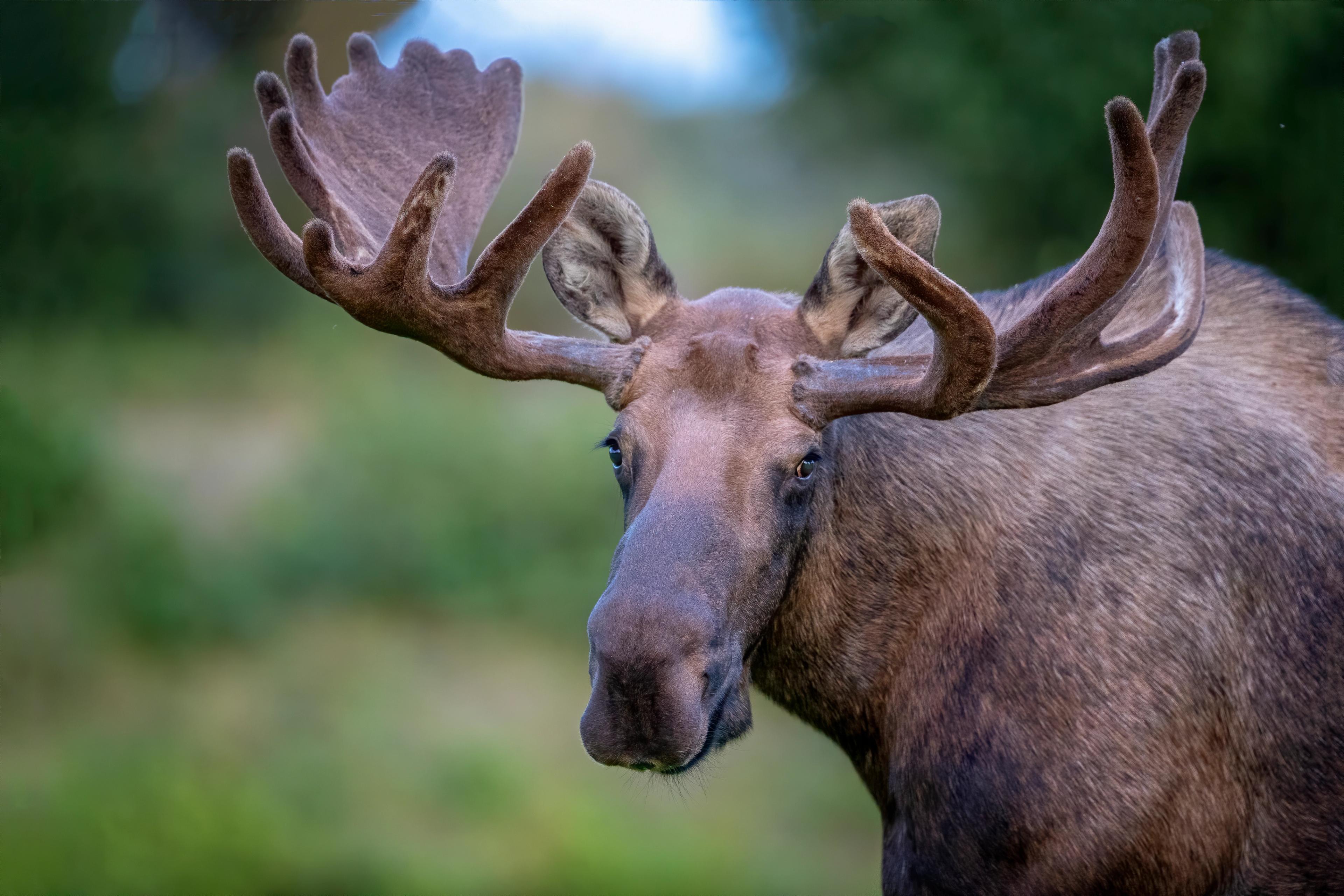
No matter the season, moose are generally most active around dawn and dusk, when cooler temperatures and quieter landscapes bring them closer to wetlands, forest edges and open feeding areas.
For those drawn to Alaska's untamed wilderness, few encounters rival the quiet thrill of watching a moose move through the mist at dawn. This guide explores the seasons, places and experiences that make moose viewing in Alaska so extraordinary — and how a Silversea Alaska cruise transforms those moments into something truly unforgettable.
The Best Time to See Moose in Alaska
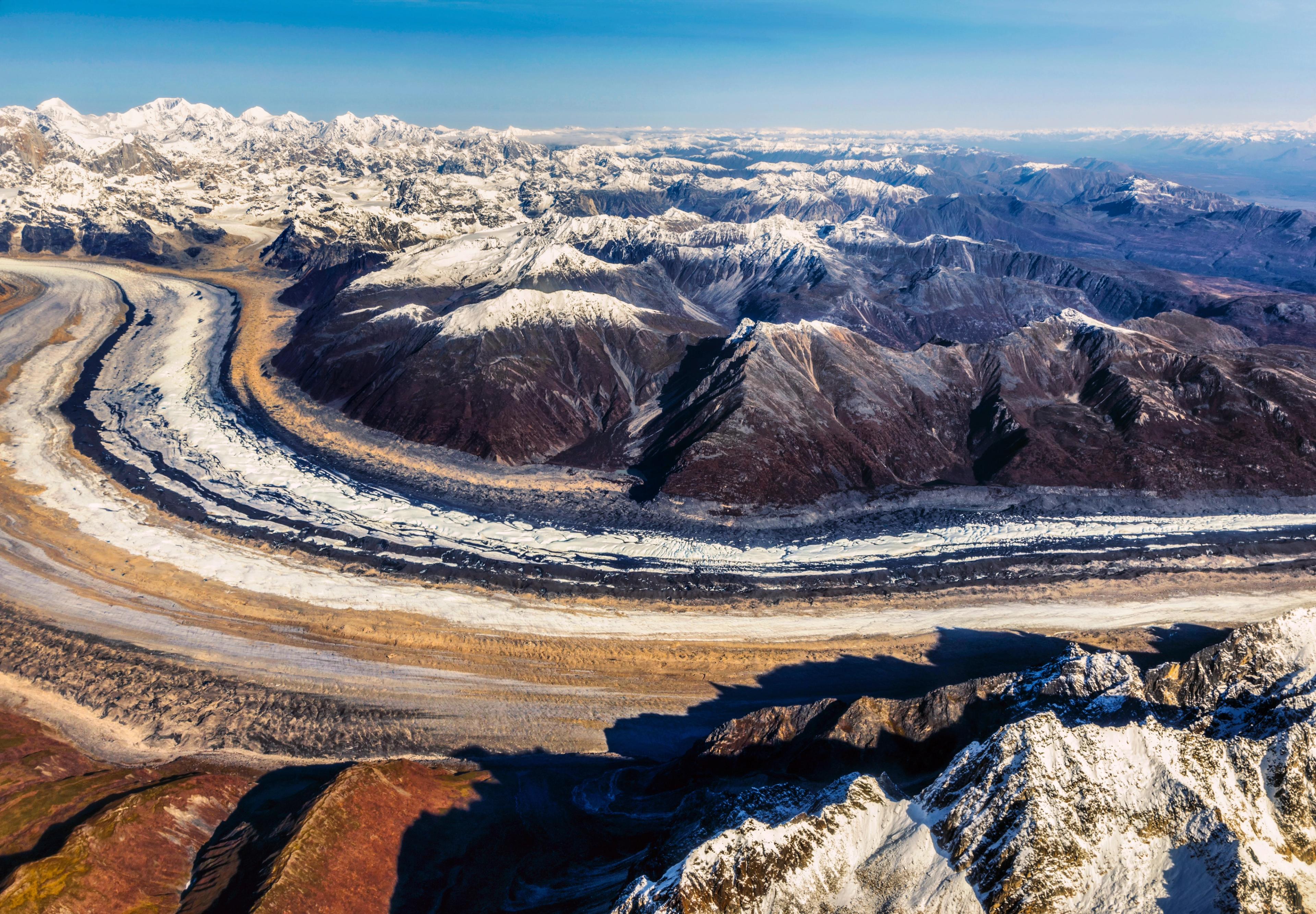
Away From Everything, Close to the Sublime
With glaciers the size of sky scrapers, bears as big as buses and snow-capped mountains that stretch high into the heavens, Alaska is an outdoor enthusiast’s dream.
The best time to see moose in Alaska is during two key seasonal windows: late May to early June and mid-September through early October. Late spring brings calving season, while early fall brings the rut, when bull moose become more active and their antlers are at their most impressive. Moose can be seen throughout the year in Alaska, but each season offers a different kind of viewing experience:
- Late May–Early June: Calving season can bring sightings of cow moose with newborn calves, especially near wooded edges, wetlands and quieter natural areas. These sightings can be special, but they require extra caution because cow moose are highly protective. Travelers should always watch from a distance and never approach.
- June–August: Summer is a good general wildlife-viewing season because of long daylight hours and easier travel conditions. Moose may be seen near ponds, marshes, roadsides, willow thickets and open clearings, especially early or late in the day. During warmer midday hours, they may retreat into shaded forest or dense brush, making sightings less predictable.
- Mid-September–Early October: This is one of the best times to see moose in Alaska. During the rut, bull moose become more active, their antlers are fully developed and they may be seen moving through open areas, sparring or pursuing cows. Early fall also brings beautiful scenery, with golden foliage adding to the sense of wilderness.
- October–Winter: Moose can still be seen after the rut and throughout winter, especially near towns, roads and lower-elevation habitats where food is easier to reach. Winter sightings can be striking against snowy landscapes, though shorter daylight, colder temperatures and more challenging travel conditions can make viewing more limited.
The Best Time of Day to See Moose in Alaska
Moose are most active during the cooler parts of the day, so the best time of day to see moose in Alaska is often early morning or evening. At dawn, they may be feeding near wetlands, ponds, riverbanks or forest edges before retreating into shaded cover. Evening can be just as rewarding, especially in summer when Alaska’s long daylight gives travelers extra time to scan open meadows, quiet roadsides and the edges of wooded areas.
Midday sightings are still possible, but moose are often less visible during warmer hours. They may rest in dense brush or forested areas, where their dark coats blend easily into the landscape. In short: moose do not keep a clock, but dawn and dusk offer the best combination of cooler temperatures, softer light and active wildlife.
The Best Places to See Moose in Alaska
Moose can be found across much of Alaska, especially in areas with wetlands, willows, forests, ponds and low-lying river habitat. For travelers, the best places to see moose are often where wild landscapes meet accessible trails, parks, scenic roads or guided excursions. Here are some of the best places to see moose in Alaska:
- Anchorage: Anchorage is one of the most accessible places in Alaska to spot moose. Parks, greenbelts and wetlands around the city provide excellent habitat, and moose are often seen near Kincaid Park, Potter Marsh, the Tony Knowles Coastal Trail and the edges of Chugach State Park. For travelers beginning or ending an Alaska journey here, moose sightings can sometimes happen surprisingly close to the city.
- Denali National Park and Preserve: Denali is one of Alaska’s most famous wildlife destinations, and moose are among the park’s signature animals. They are often seen in shrubby areas, forested lowlands and along portions of Denali Park Road. Fall can be especially rewarding, as the rut brings increased activity and the chance to see bull moose with full antlers.
- Kenai Peninsula and Seward Area: The Kenai Peninsula offers a mix of forests, wetlands, lakes and open valleys where moose may appear near roadsides, trailheads and quiet natural areas. Travelers exploring inland routes between Seward and Anchorage may have opportunities to spot moose along the way, especially in low-lying areas with ponds, marshes and willow growth.
- Matanuska-Susitna Valley and Palmer Area: North of Anchorage, the Mat-Su Valley is known for wide-open scenery, wetlands, river corridors and agricultural landscapes. Places like Palmer Hay Flats can be rewarding for travelers hoping to combine mountain views, birdlife and the possibility of moose sightings. The mix of open habitat and nearby forest makes this region a strong place to look.
- Fairbanks and Interior Alaska: Interior Alaska offers strong moose habitat around boreal forests, ponds, river valleys and low-lying wetlands. Fairbanks and the surrounding region can offer sightings throughout the year, though winter viewing requires more planning because of shorter daylight and colder conditions. In quieter areas, moose may be seen browsing near roads, trails and wooded neighborhoods.
How to See Moose in Alaska
The most rewarding way to see moose in Alaska is to combine a cruise with time on land. While whales, sea otters and seabirds may appear from the ship or during coastal excursions, moose are land mammals and are usually seen in forests, wetlands, river valleys and roadside habitats. That makes them a perfect reason to extend your journey inland, join a guided nature outing or choose excursions that explore Alaska beyond the waterfront.
On a Silversea cruise, moose viewing can become part of a broader Alaska experience, especially when paired with scenic drives, land programs or private excursions that travel through wildlife habitat. Guests may see moose while exploring near Anchorage, traveling toward Denali, visiting natural areas on the Kenai Peninsula or passing through quiet valleys where willows, ponds and wetlands create ideal feeding grounds.
Cruising Alaska offers access to some of the state’s most dramatic coastal scenery, while land-based experiences bring travelers closer to the environments moose prefer. The best opportunities often come in places where forests, marshes and open meadows meet. A guide or naturalist may help spot subtle signs, such as tracks, browsed willow branches, movement near the edge of a wetland or the outline of a moose standing quietly among the trees.
These experiences transform moose viewing in Alaska into more than a chance encounter. They create a deeper connection with the wild landscapes, quiet habitats and seasonal rhythms that make Alaska so extraordinary.
Moose Viewing Tips for Alaska
- Bring binoculars for the details. Moose are large animals, but they can blend surprisingly well into brush, spruce forest and shadowed wetlands. Binoculars help you scan willow thickets, pond edges and distant meadows without needing to move closer.
- Look near wetlands and forest edges. Moose often feed on willows, aquatic plants and young vegetation. Marshes, lakeshores, river valleys, roadside clearings and brushy edges are all good places to watch for movement.
- Go early or late in the day. Dawn and dusk are often the best times for moose viewing. These cooler, quieter hours are when moose may be more active and visible, especially during the warmer summer months.
- Visit during calving or rutting season. Late May to early June can offer the chance to see cow moose with calves from a safe distance, while mid-September to early October brings the fall rut. During the rut, bull moose are more active and may be easier to spot in open areas.
- Keep a safe distance. Moose may appear calm, but they are powerful wild animals and can be dangerous if they feel threatened. Never approach a moose, especially a cow with calves or a bull during the rut. If a moose changes its behavior because of your presence, you are too close.
- Stay alert near roads and trails. Moose often appear suddenly along roadsides, trails and forest edges. If you are traveling by vehicle, watch carefully during low-light hours. If you are walking or hiking, keep your eyes up and avoid surprising wildlife around blind corners.
- Be patient. Moose sightings can happen quietly. You may first notice the curve of an antler, the dark shape of a shoulder or movement in the willows before the full animal comes into view. Slow scanning often works better than rushing from place to place.
- Follow the lead of guides and naturalists. Local experts understand moose habitat, seasonal behavior and safe viewing practices. Their guidance can help increase your chances of a sighting while keeping the experience respectful for both travelers and wildlife.
- Moose viewing is always unpredictable, and that is part of the thrill. With the right preparation, every sighting feels like a rare glimpse into Alaska’s wild interior and can become one of the most memorable moments of the journey.
Discover Moose Viewing on a Silversea Cruise
Seeing moose in Alaska is not just about spotting wildlife. It is about the setting in which it happens. On a Silversea cruise, Alaska unfolds through glacier-carved fjords, forested coastlines, quiet harbors and sweeping mountain views. From there, land-based excursions and pre- or post-cruise explorations bring travelers closer to the habitats where moose are most likely to appear.
You might spot a cow moose feeding near a pond outside Anchorage, a bull standing among golden willows near Denali or a quiet shape moving through the trees on the Kenai Peninsula. These moments are never staged and never guaranteed, which is exactly what makes them feel so meaningful.
With Silversea, moose viewing becomes part of a journey that moves seamlessly between coastal grandeur and inland wilderness — from glacier-carved fjords to the quiet forests where Alaska's wildest creatures roam. Every encounter, whether a fleeting glimpse or a lingering gaze across a wetland, adds another chapter to the story of a destination unlike any other.
Explore Alaska cruises with Silversea and discover how effortlessly luxury and wilderness can coexist.