
Discover Bali Food: From Paddy Fields to Gourmet Experiences
- Published on
- Author
- Reading time
- 11 mins
With tongue-tingling spice mixtures, zingy herbs, and a signature umami flavor derived from fermented ingredients, Balinese cuisine is a celebration of local culture and unique cooking methods.
Above all, Balinese gastronomy is a reflection of the island's inhabitants — vibrant, artistic, and spiritual. Cultivated in volcanic soil, Bali’s fresh ingredients sing, perfectly paired with the island's penchant for suckling pig, expertly roasted duck, and earthy tempeh.
Often referred to as the Island of the Gods, it’s no coincidence that Bali’s food scene is deeply tied to religion. Bali is heavily influenced by Hindu culture, with thousands of temples scattered across the island.
Many of the island's best dishes are used in ceremonial offerings and cooked with the utmost care. These same dishes, meticulously prepared for the ancestors, are served in local restaurants, allowing curious visitors to feel as though they’ve been invited into a neighborhood festival.
Step inside a classic warung in this guide to Bali food that highlights traditional ingredients, must-eat dishes, and where to discover refined dining experiences on your voyage to Asia.

The Timeless Tales of Asia
Asia is an incredible continent, full of delectable flavors and dazzling experiences. Join us to discover a tantalizing region of past, present and future.
Spices, tempeh, and basa gede: An introduction to Balinese cuisine
The foundation of Balinese cuisine is a tantalizing explosion of umami, spice, and aromatics. Each of these ingredients offers a gateway to Balinese culture and is often used in traditional cooking and ceremonial preparations.
Basa genep
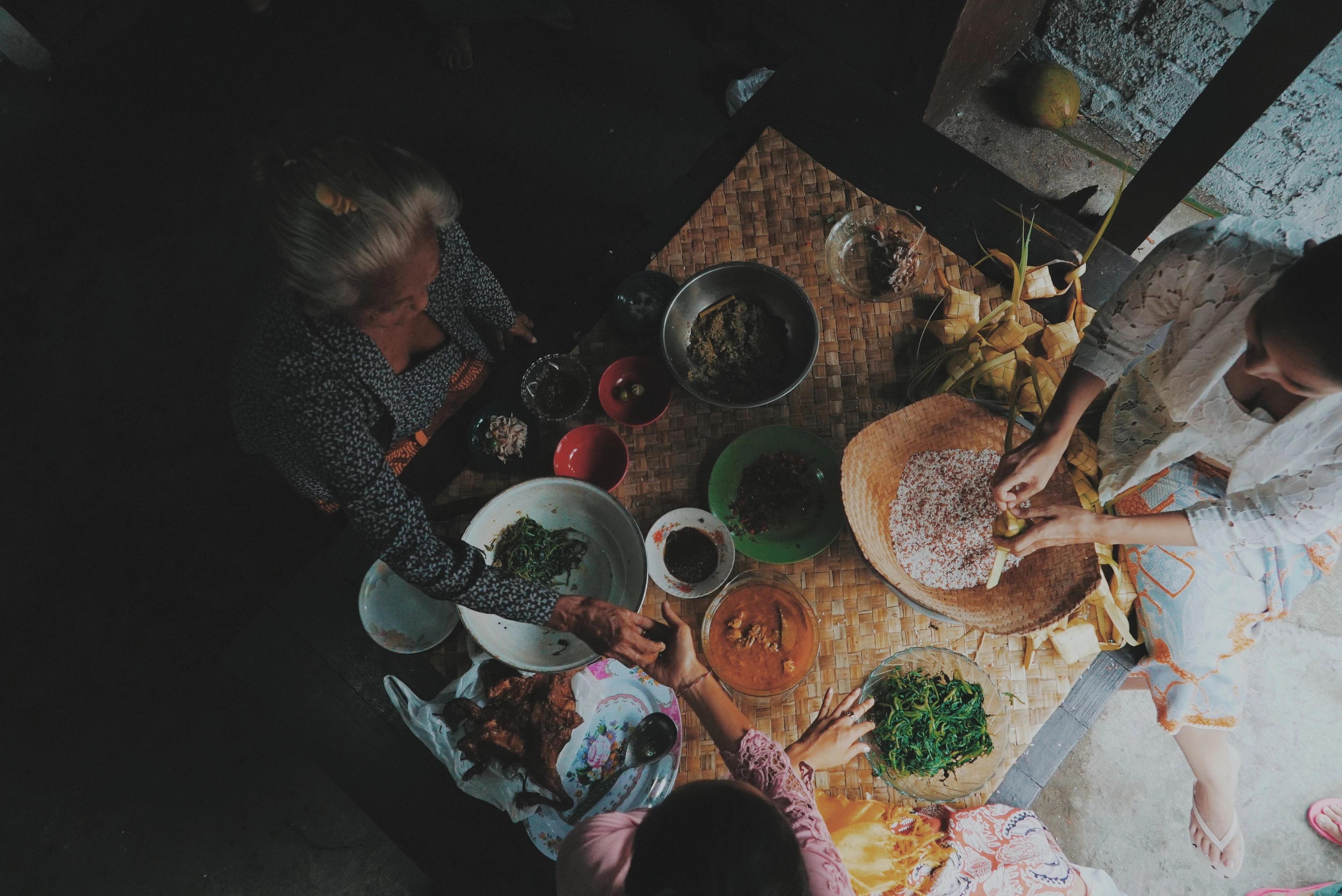
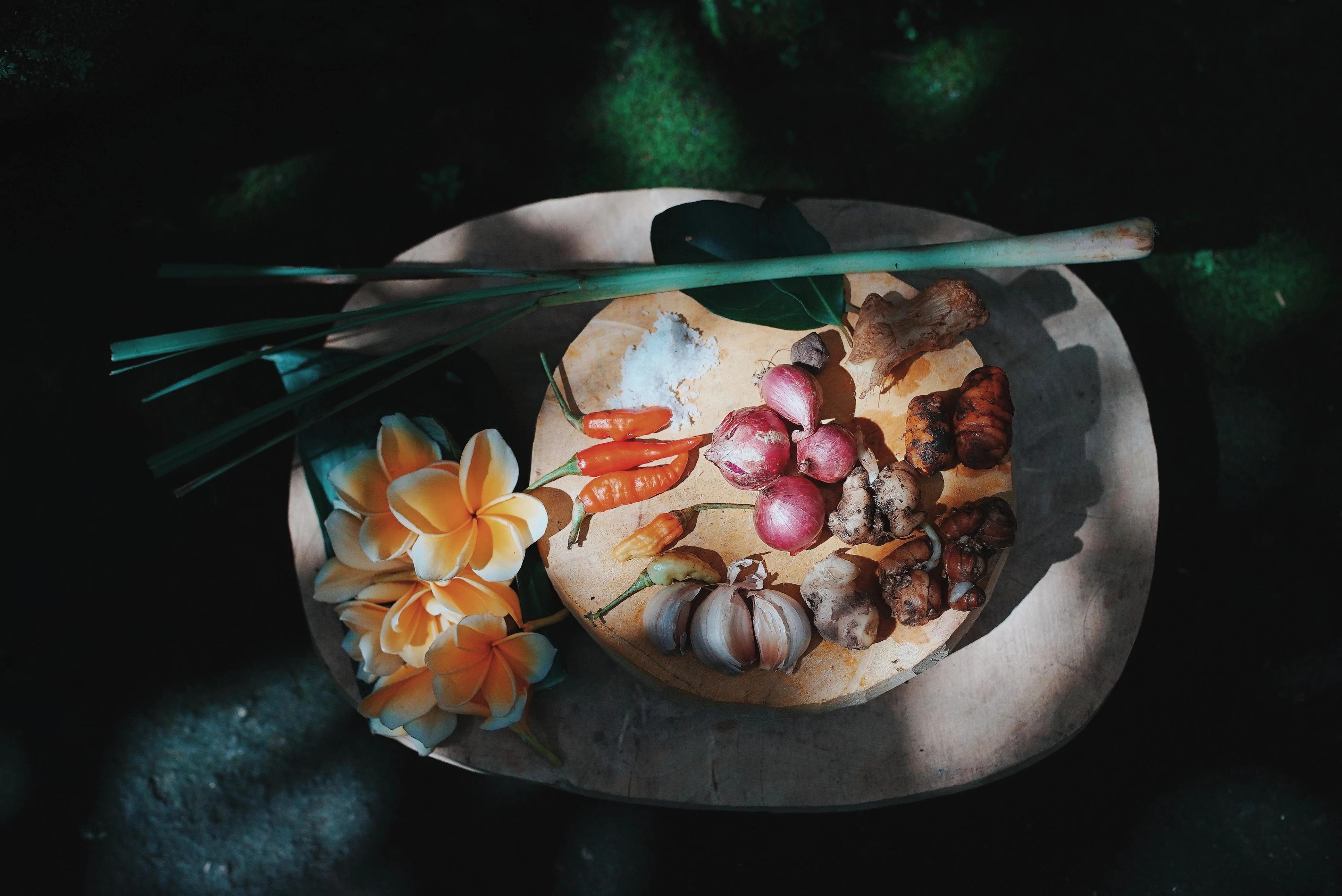
Basa genep, also known as bumbu Bali, is the backbone of many Balinese dishes. This distinctive paste is made by crushing lemongrass, candlenuts, chili peppers, coriander seeds, garlic, shallots, ginger, galangal, and turmeric. The making of basa genep is considered a sacred practice.
Sambal
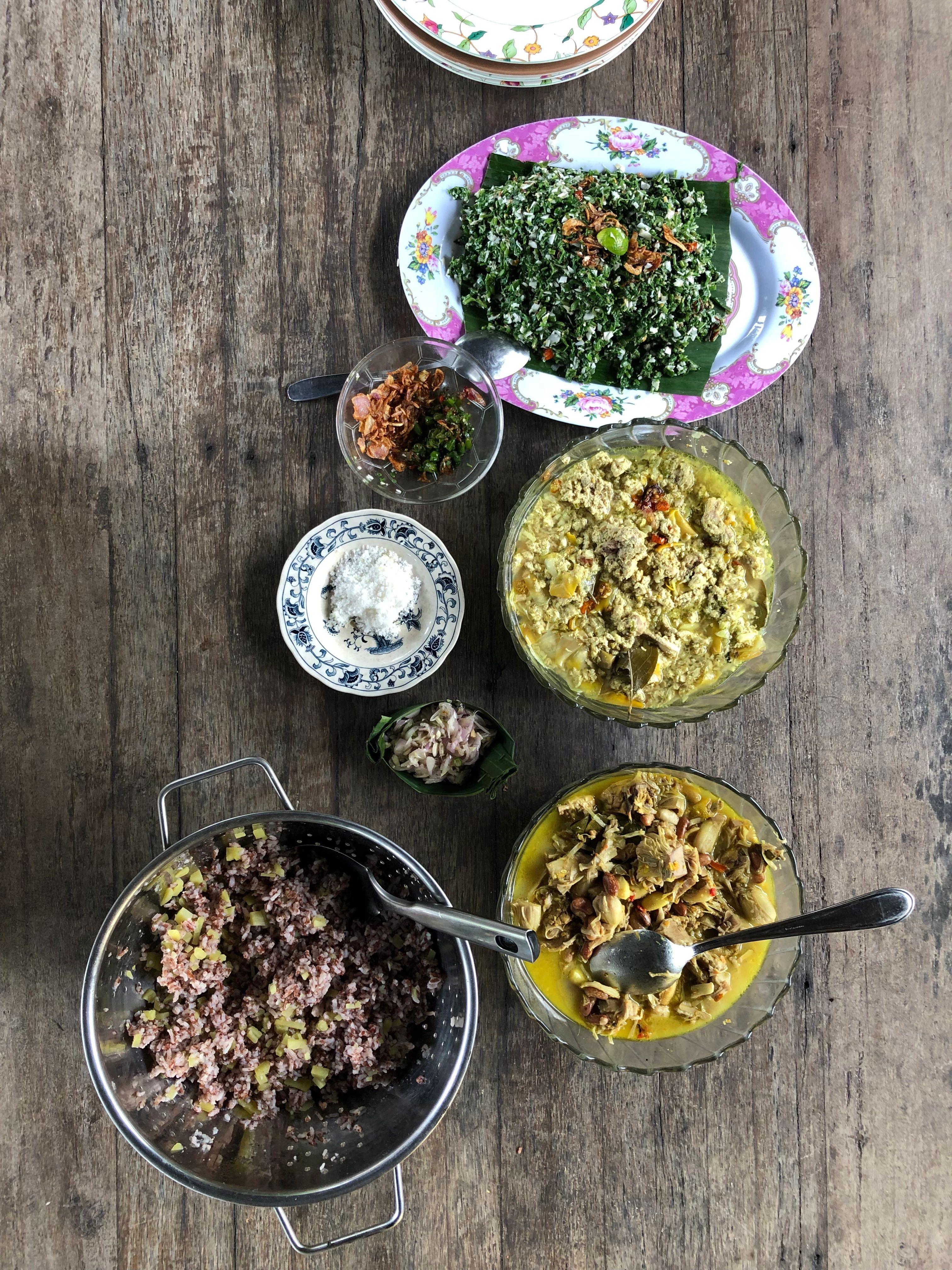
This ruby-red paste is a symphony of fiery bird’s-eye chili peppers, garlic, lime, and salt, traditionally crushed together in a ulekan, similar to a mortar and pestle. While it delivers a zing of flavor, use caution!
Kencur
Also known as sand ginger, kencur originates from the galangal root. Often added to Balinese sambals and other cooking pastes, it lends an earthy flavor that’s reminiscent of cinnamon and pepper.
Terasi
One of the fundamental ingredients in both Balinese and Indonesian cuisine, terasi is a fermented shrimp paste that provides just the right amount of funk and umami.
Kecap manis
A thick, syrupy sweet soy sauce, kecap manis is a distinctively Indonesian take on the more salt-forward Chinese classic. Made with palm sugar and warming spices, it brings caramel-like sweetness and depth to marinades, stir-fries, and dipping sauces. In Balinese cooking, it often softens the heat of sambal or helps grilled meats develop a glossy, savory-sweet finish.
Tempeh
A protein-rich meat alternative akin to tofu, tempeh has been a part of the Balinese diet for centuries. Soybeans are soaked and boiled before they undergo a fermentation process and are wrapped in banana leaves. If you’re curious about traditional cooking methods, tempeh-making classes are a popular activity in Bali. Dishes like tempe manis and kering tempe are also wonderful ways to taste this popular ingredient.
Traditional Balinese dishes
Savor the tender pork and perfectly crisp skin of babi guling, smoky skewers of sate lilit, or a bit of everything with an authentic plate of nasi campur. When it comes to choosing your Asia cruise, these Balinese dishes might be enough to help make up your mind.
Nasi goreng
Affectionately nicknamed Indonesian fried rice, nasi goreng is the unofficial national dish of Indonesia. A tidy pile of day-old rice is fried in a wok with garlic, shallots, kecap manis, and shrimp paste (terasi) before fried egg and krupuk, tapioca crackers, are added to round out the meal.
Nasi campur
You’ve never had a buffet like this before! Nasi campur is a wonderful way to sample different Balinese dishes in one. Starting with a scoop of rice, cooks add various sauces and side dishes, making for a choose-your-own-adventure style meal. You’ll likely find a combination of tempeh, fried fish, curry, stewed meat, and vegetarian options like boiled eggs in warungs across the city.
Babi guling
Bali celebrates the humble pig in its religious ceremonies, and no other dish exemplifies this more than babi guling. Roast, suckling pig that’s stuffed with basa genep, babi guling is spit roasted over an open fire for hours until its skin is perfectly crisped and the meat is falling off the bone. Served with rice and vegetables, a heaping spoonful of sambal helps complement the fattiness of this dish.
Sate lilit
An aromatic roadside snack, sate lilit is a smoky, grab-and-go favorite of Balinese locals. Ground meat and spices like lime leaves and shredded coconut are mixed with ground pork or fish before being skewered on lemongrass stalks and grilled.
Gado gado
Bali’s answer to salad, gado-gado or “mix-mix” is the perfect opportunity to sample the island’s vibrant produce. A variety of veggies are par-boiled before being coated in a rich peanut sauce. Prawn crackers, added at the end, offer extra crunchiness, while tempeh and hard-boiled eggs are often included for added protein.
Bebek batutu
Another of Bali’s significant ceremonial dishes, bebek betutu, is often prepared as an offering to ancestors. Whole ducks are massaged with basa genep before being wrapped in banana leaves and cooked to perfection in an underground oven. You may also see ayam betutu on menus across the island, a chicken version of the same dish that’s frequently offered with nasi campur.
Klepon
No meal in Bali would be complete without a sweet treat, and klepon is a local favorite. These bright green, glutinous rice balls, dusted in shredded coconut, are akin to pandan-flavored pillows and stuffed with liquified palm sugar.
Local food culture in Bali
Although plenty of destinations in Asia are renowned for their culinary prowess, Bali stands out from the crowd with its unique combination of ingredients and ceremonial preparations.
Sandwiched between Java to the west and Lombok to the east, the island of Bali has developed a food culture all its own. While Indonesia is the most populous Muslim country in the world, Bali remains a Hindu stronghold in the region, and its cuisine is a reflection of local religious practices, honoring ingredients like pork that other islands eschew.
While the rest of Indonesia leans on sweet and savory flavors, Balinese cuisine takes it up a notch with fiery sambals and smoky grilled meats. The island is also known for its prolific rice growing, a result of volcanic soil and the UNESCO World Heritage-recognized irrigation systems that meld utility and religion.
Water management in Bali is curiously tied to these subaks, community irrigation systems that have been used for centuries. Dozens of farmers share the same water source, flowing through water temples and into rice fields, and connecting the island through a glittering ribbon of life that exemplifies the Tri Hitana Karana philosophy, a combination of spirituality, society, and nature.
Cooking techniques are another element of Balinese cuisine that distinguishes it from the rest of Indonesia. The island’s famous pastes are made using a ulekan, or traditional mortar and pestle, a grinding method that aids in releasing flavor from spices and aromatics alike. Silversea guests can experience this method in person during the Essence of Balinese Cuisine Shore Excursion.
Gain hands-on experience with local chefs, including preparing basa genep in an authentic mortar and pestle, before reaping the benefits of your hard work in the form of delicious dishes like sate.
Refined dining experiences in Bali
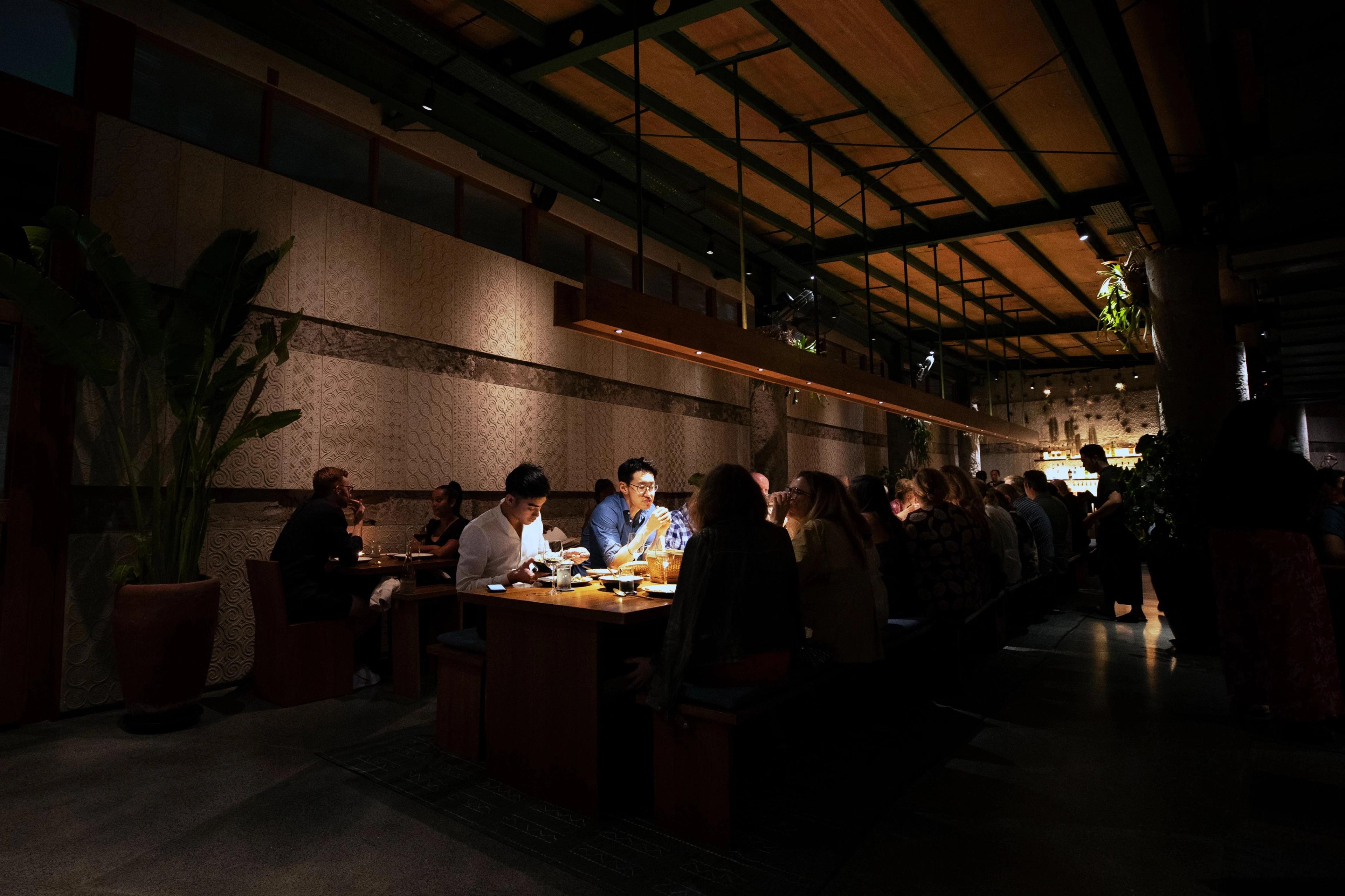
While smoky roadside eateries and temple feasts are the breath of life in Bali, fine dining and wow-worthy restaurants are also on the menu.
Seven Paintings Ubud
An immersive dining experience that blends fine art with a global menu, Seven Paintings Ubud is a fascinating intersection of cuisine and culture. Each course represents a masterpiece, from Da Vinci’s Mona Lisa to Van Gogh’s Starry Night.
Mozaic
One of Bali’s first fine-dining restaurants, Mozaic paved the way for elevated options to take root on this once-remote island. Chef Blake Thornley offers a blend of rare Balinese ingredients, prepared with European techniques, a true marrying of Bali and France. Each artfully prepared dish is crafted with sustainability and seasonality in mind.
Koral
One of the most impressive fine dining establishments in the country, Koral is part aquarium, part restaurant, offering guests the incredible opportunity to dine beneath colorful schools of fish and soaring manta rays. With an emphasis on seafood, ingredients are sourced locally, and the wine list is extensive, featuring varietals from around the world.
The Cave
Descend beneath the chaotic streets of Bali to discover a dining experience unlike any other. Sit beneath towering caverns and stalactites at The Cave, located in Uluwatu, where you’ll choose between a seven or ten-course menu. As if dining in a cave wasn’t intimate enough, there are just 22 seats in this subterranean restaurant, lending it an exclusive feel.
Aperitif
Hidden inside a Dutch-colonial era home, Aperitif’s dishes are a nod to the blending of European and Indonesian influences, much like the restaurant itself. Crafted using 70% Balinese ingredients, Aperitif offers guests a global menu with revolving dishes that mirror Bali’s seasons. Be sure to sample their inspirational drink menu at the Pinstripe Bar, which features a Bali take on classic cocktails.
Bali food experiences with Silversea
Silversea brings the flavors of each destination closer through S.A.L.T., the Sea And Land Taste program designed to reveal culture through cuisine. Across S.A.L.T. Kitchen, S.A.L.T. Bar, S.A.L.T. Lab, S.A.L.T. Talks, and S.A.L.T. Experiences, food becomes another way to understand where you are — from regional dishes and local ingredients to the traditions, techniques, and stories behind them.
In Bali, that philosophy naturally extends ashore. Guests can explore Balinese cuisine by booking Shore Excursions, such as a hands-on introduction at Anika Balinese Cooking School near Kuta. After exploring local herbs, spices, and produce, guests learn to blend bumbu, prepare dishes like satay, and share a meal before returning to Benoa.

Explore Bali through your taste buds
Balinese cuisine is an explosion of savory, aromatic, smoky, and spicy flavors, revealing a true expression of the island’s unique culture. If you’re enticed by these toothsome dishes and traditions, explore upcoming voyages to Bali and discover taste bud nirvana.