Arctic Cruise Expeditions: What To Expect on a Trip to the Polar North
- Published on
- Author
- Reading time
- 10 mins
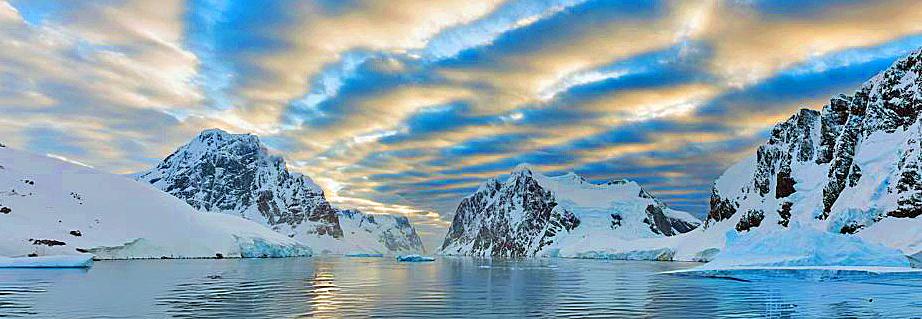
Stunning scenery. Quiet stillness. A landscape shaped by ice in all its forms. The Polar North offers all of this — and something deeper for those drawn to explore it.
An Arctic expedition brings you into a world where glaciers meet shifting sea ice, and where wildlife and culture exist in balance with the elements. Each day reveals a different side of the region, from remote bays reached by Zodiac to moments spent observing life at the edge of the map.
In this guide, you’ll discover what to expect on a trip to the Arctic — including glacier viewing, wildlife encounters, expedition activities like kayaking, and the role of expert guides who shape each experience along the way.
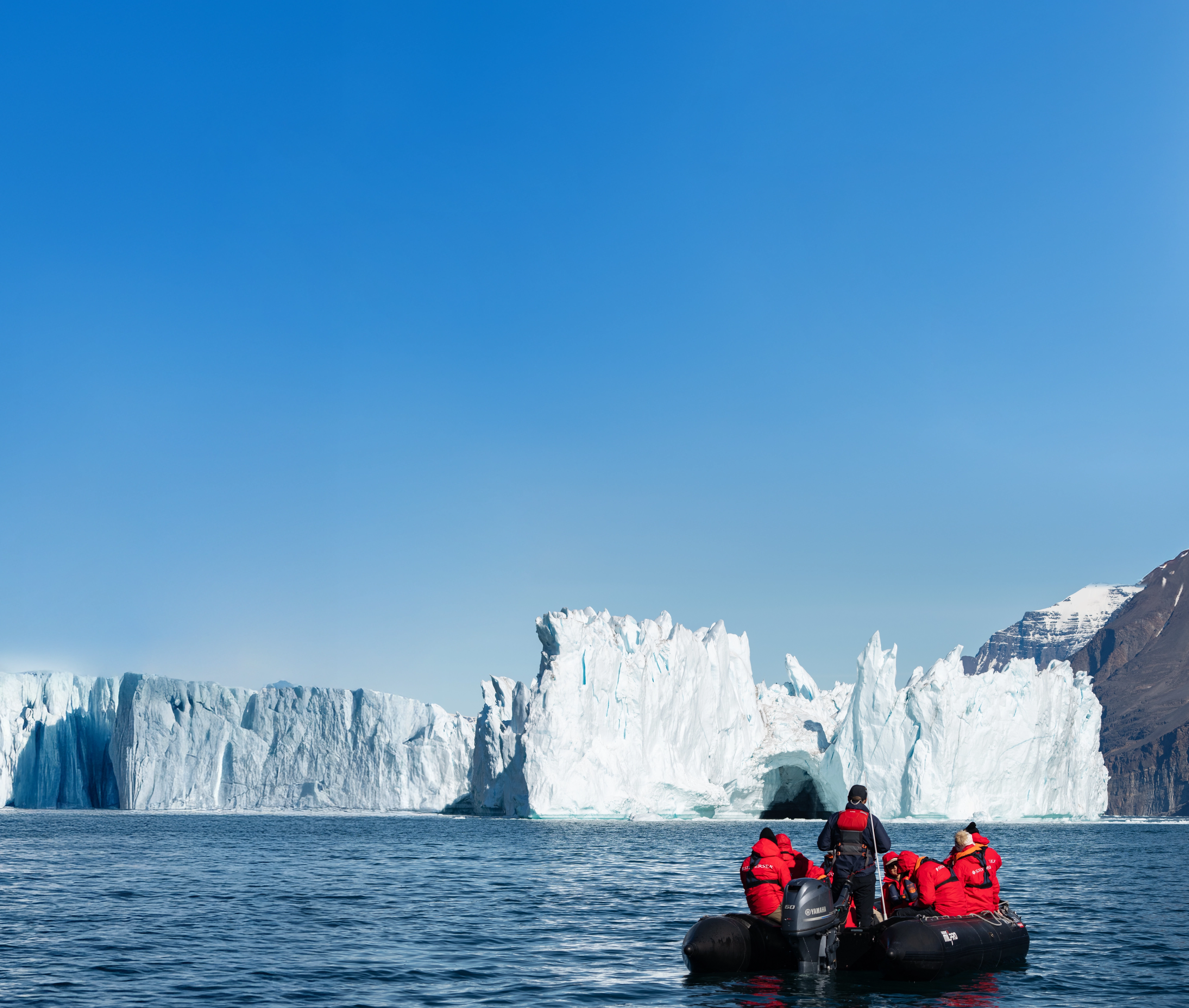
Poles away from anywhere you’ve ever been
This region at the top of the world is where raw tundra and remote, beautiful landscapes take on a new meaning. Have your binoculars ready!
Glacier viewing: Scenic backdrops and must-see landscapes
The Arctic is the northernmost region of the Earth, considered by most scientists as the area within the Arctic Circle, approximately 66.3° north of the Equator. This Arctic basin includes the northern parts of Scandinavia, Russia, Canada, Greenland, Iceland, and Alaska. Its ever-evolving frozen features are not only fascinating to admire, but affect the climate of the entire planet. Silversea invites guests to explore this open world, led by Expedition Experts whose encyclopedic expertise guides the experience and piques a passion to delve ever deeper into the Polar North.
Learn from the finest team in polar travel
A trip to the Arctic with Silversea is a purpose-driven luxury expedition shaped by expert leadership and rare access. The finest team of Expedition Experts assembled in luxury polar travel includes up to 28 specialists who accompany each sailing, offering perspectives across biology, ornithology, geology, and more, turning each moment into an opportunity for deeper understanding.
These guided trips to the gates of the Arctic are designed to bring you closer to the region’s landscapes, wildlife, and underlying stories. Venturing into the Arctic's pristine wilderness demands more than courage — it requires wisdom from those who intimately understand its magnificence.
Experience endless iterations of ice
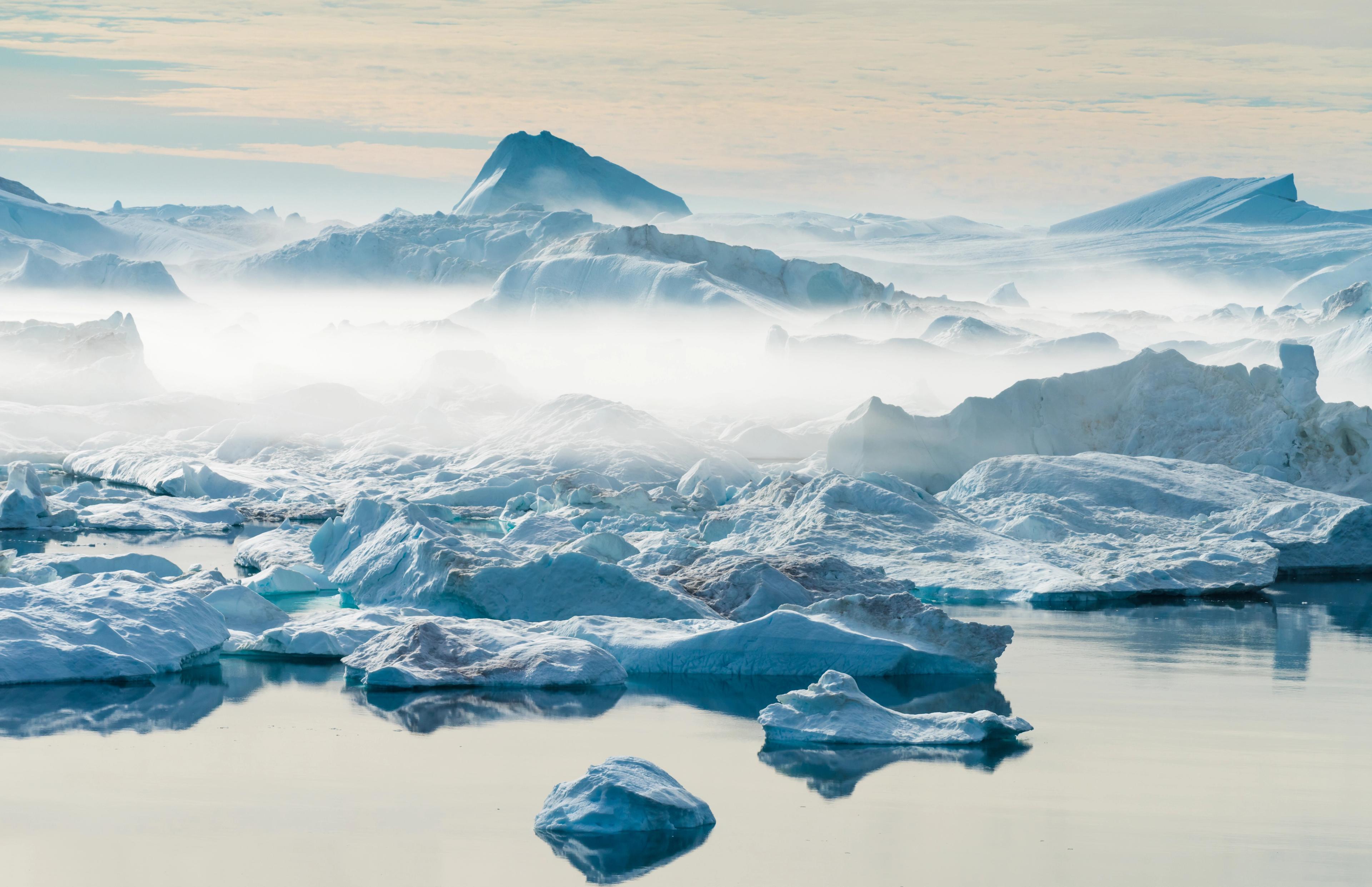
All frozen water is not the same. From ice sheets and icebergs to sea ice and glaciers, a foray into the frigid marvels of the Polar North will open your eyes to the intricate science of ice.
- Ice sheets: These glacial land-ice masses extend more than 50,000 square kilometers (20,000 square miles) and can be several miles thick. The continental glacier sheets hold more than 68% of the world’s fresh water and are in constant motion.
- Sea ice: This frozen seawater is often covered by a blanket of snow and helps determine the Earth’s climate, due to the high albedo or reflection of the sun’s radiation off its bright white surface. Slushy “frazil ice” is the first stage of sea ice.
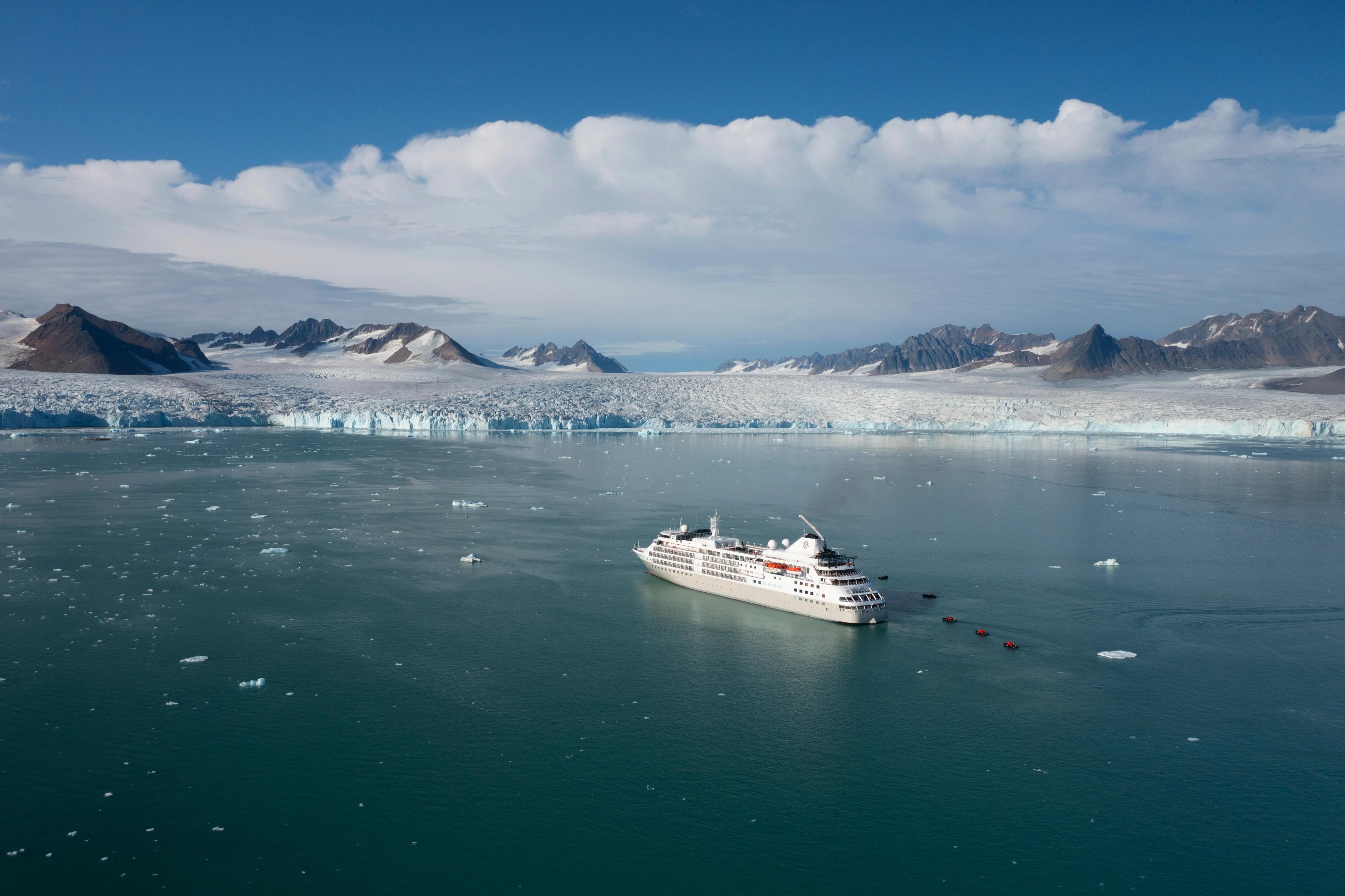
- Glaciers: Large ice masses form over land from snowfall that compresses into a slow-moving river of ice. Viewing these majestic marvels and witnessing the thunderous crash of calving into the sea is a fan-favorite on most Arctic and Greenland cruises. Glacier silt or rock flour can remain suspended in meltwater, causing a reflective milky turquoise or blue hue — a good reason to avoid sipping from the ancient melted ice when on glacial hikes.
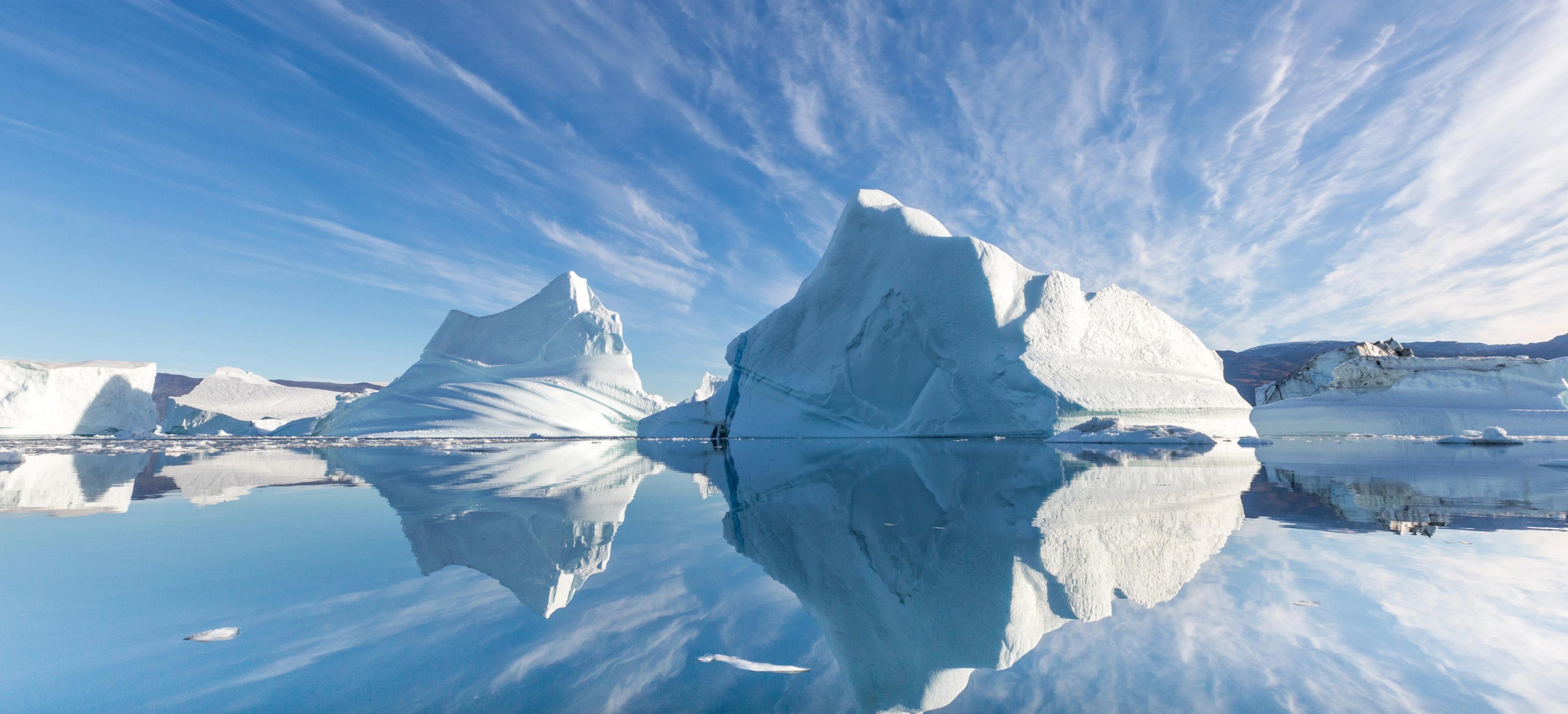
- Arctic icebergs: Large freshwater chunks of ice showing at least five meters above sea level have largely calved or broken off from the edge of Greenland’s glaciers. They appear in various shapes, such as dome, pinnacle, wedge, and blocky, with roughly 90% of volume hidden below the surface.
Floating icebergs will always maintain a perfect equilibrium despite underwater melting conditions. On a recent sail into Nanortalik, Greenland, we noticed an iceberg the size of a two-story house wiggling on one corner, causing little splashes.
I peered closer, trying to see if there might be a creature causing the disturbance. The wiggling increased as the iceberg rose and then dipped like a child trying to pump their legs on a swing. Suddenly, the entire mass flipped upside down, forcing a large wave of displaced water. Not fully satisfied with its center of gravity, it immediately flipped again side to side until it reached a balanced buoyancy.
Northern lights and fantastical sights at the top of the world
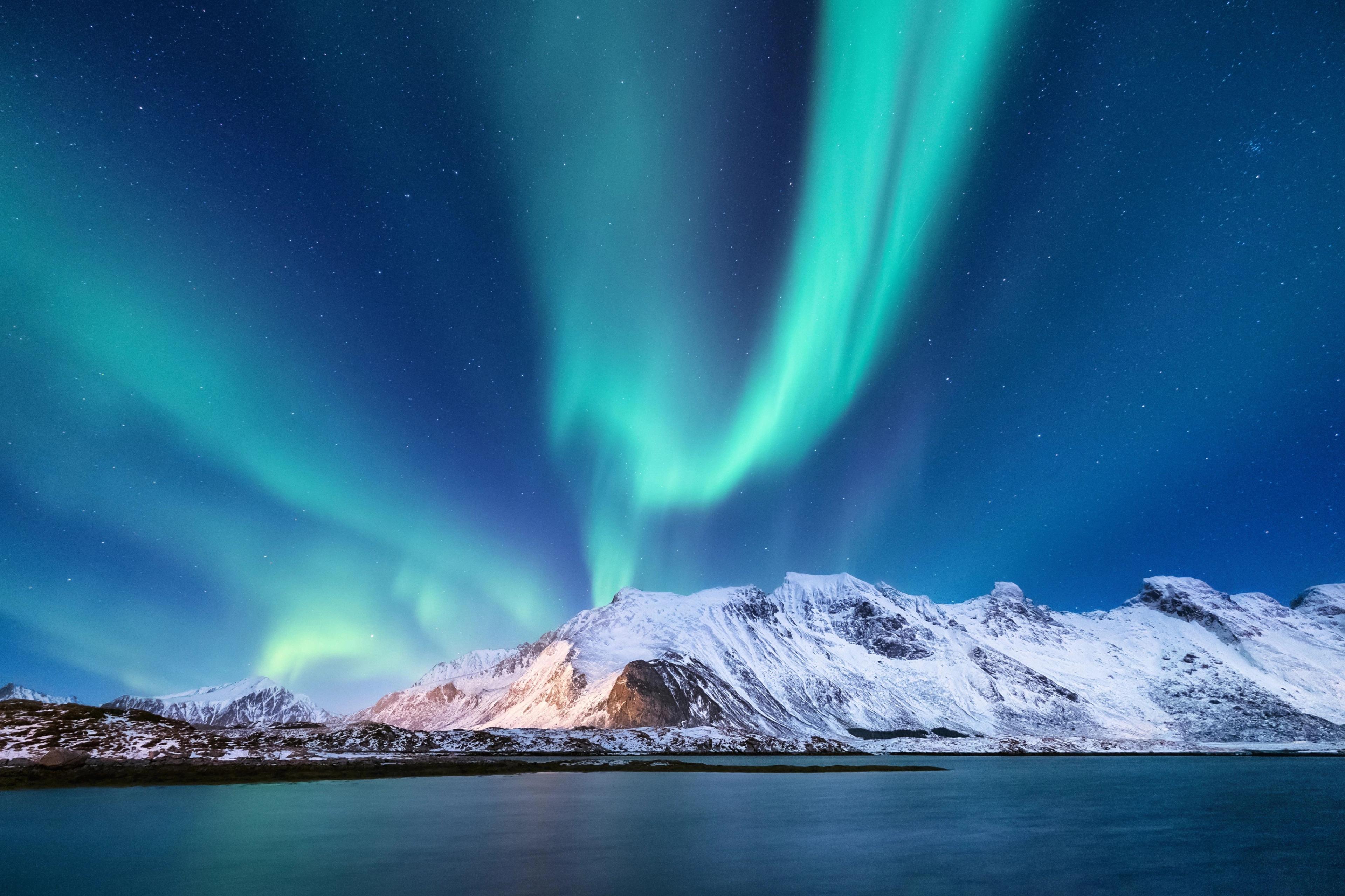
Auroras, aptly carrying the name of the Roman goddess of the dawn, are otherworldly displays caused by a solar wind and its space particles interacting with Earth’s magnetic shield. The energy that rains down is known as aurora australis to the south and aurora borealis to the north. The delicate, colorful phenomenon dances in glowing purples, pinks, and greens across the night sky in the Arctic Circle primarily from September to April, although other viewings are possible during solar storms. Prime viewing locations span the Aurora Belt, including Alaska, Canada, Greenland, Iceland, Norway, and its archipelago of Svalbard.
Want to capture the moment with a picture? Here’s a tip: using aurora-specific settings on your camera to slow the lens speed results in more vibrant colors, sometimes revealed on film before the naked eye:
- Set your aperture to f/2.9 or as large as possible to quickly capture maximum light.
- Set your ISO between 800 and 1600, with a 5-10 second exposure time.
- Use a tripod or steady yourself against a solid object and exhale fully before shooting.
Wide-angle lenses with large apertures and cameras allowing manual settings are preferred, but even smartphone images using “night mode” can illuminate nuances the eye cannot.
Arctic wildlife: Bears, whales, and species to spot
Time in the Polar North brings you closer to the wildlife that calls this icy region home. While the moments stay with you, photographs offer a way to return to them again and again.
Although no sightings are guaranteed, you may spot polar bears, Arctic foxes, musk oxen, reindeer, narwhals, walruses, seals, whales (beluga, bowhead), puffins, and migratory birds while enjoying the creature comforts provided by personalized pampering before and after every exploration.
Zodiac expeditions and kayak exploration to experience land, sea, and sky
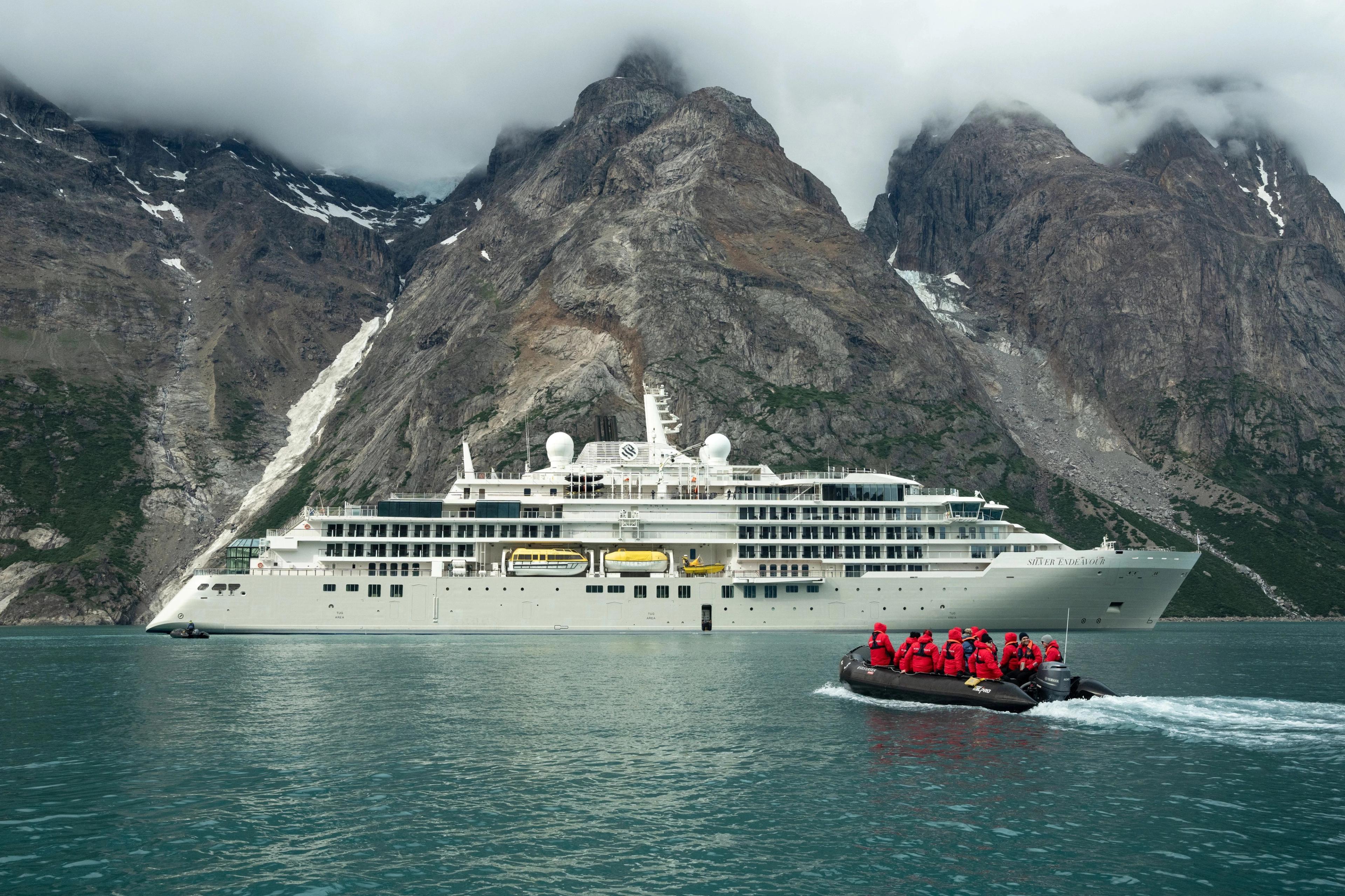
To make the most of your trip to the Arctic, Silversea recruited some of the world's leading experts on the region to share intricate details and insights on what to expect on Expedition Experiences and excursions ashore and at sea.
Kayaking adventures
Captivate your senses from the serenity of a kayak. From afar, Arctic icebergs and breaching whales inspire awe. Up close, they transform your understanding of wilderness. Certified kayak instructors on the Expedition Team guide the process so you can focus on the magic unfolding at water level. Silently glide in sight of curious seals, mesmerizing pristine seas, bays, and inlets of the Arctic from a new, unimagined perspective.
Zodiac cruises
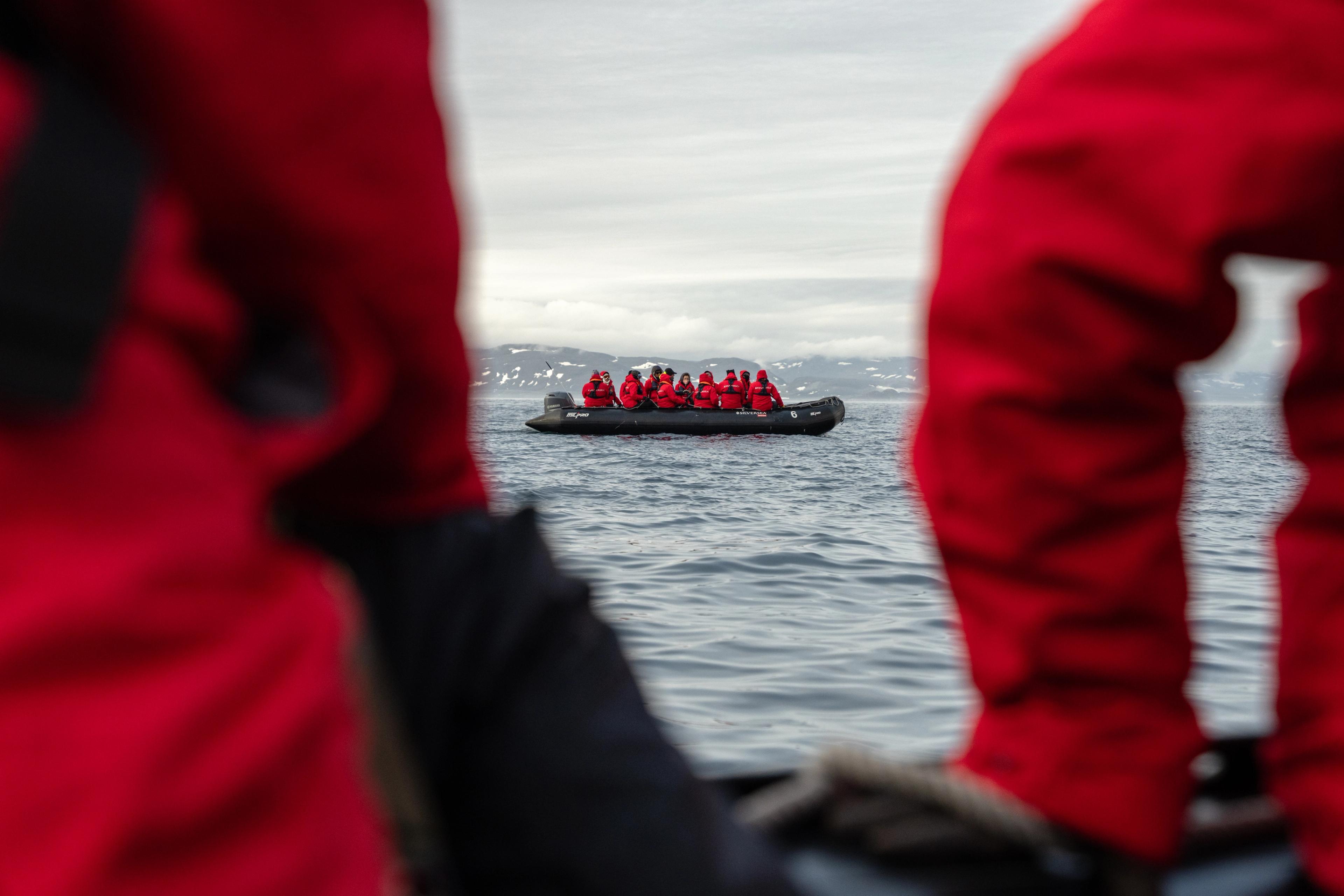
Board an exhilarating Zodiac bound for the top of the world, zipping past jagged peaks, cyan glaciers, and untamed rugged wilderness as the brisk sea breeze takes as much of your breath as does the surrounding beauty. Revel in the opportunity to seek rare wildlife and explore the ecological treasures they call home. Climb from a Zodiac or kayak after seeking wildlife encounters along towering bird cliffs or in pristine bays favored by polar bears, whales, and walruses to the shoreline to hike untouched Arctic tundra. Historical trading posts offer entry into a simpler world of cultural touchpoints illuminated from the comfort of an intimate expedition cruise.
Cultural immersion: Traditions, communities, and seasonal experiences
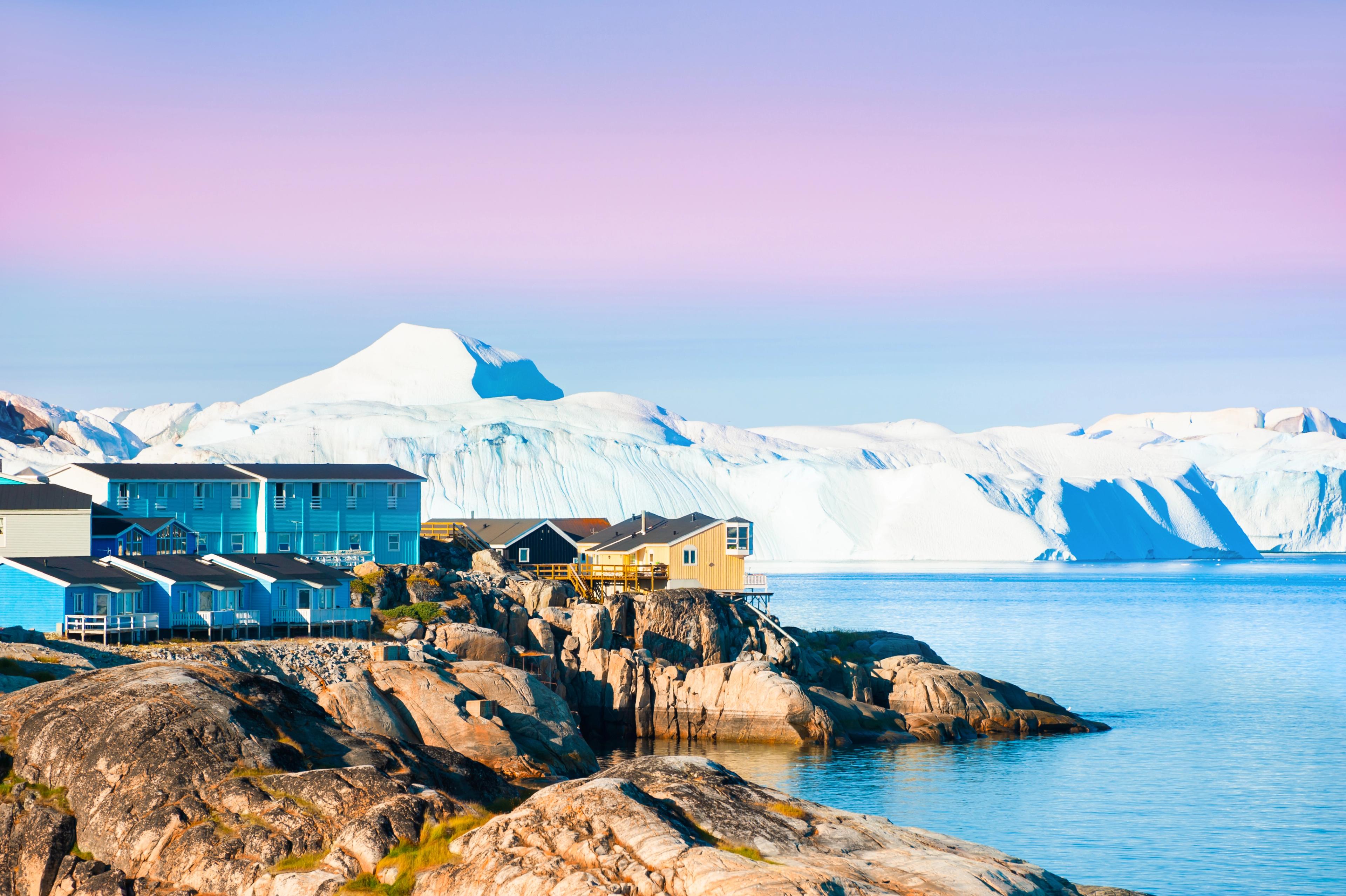
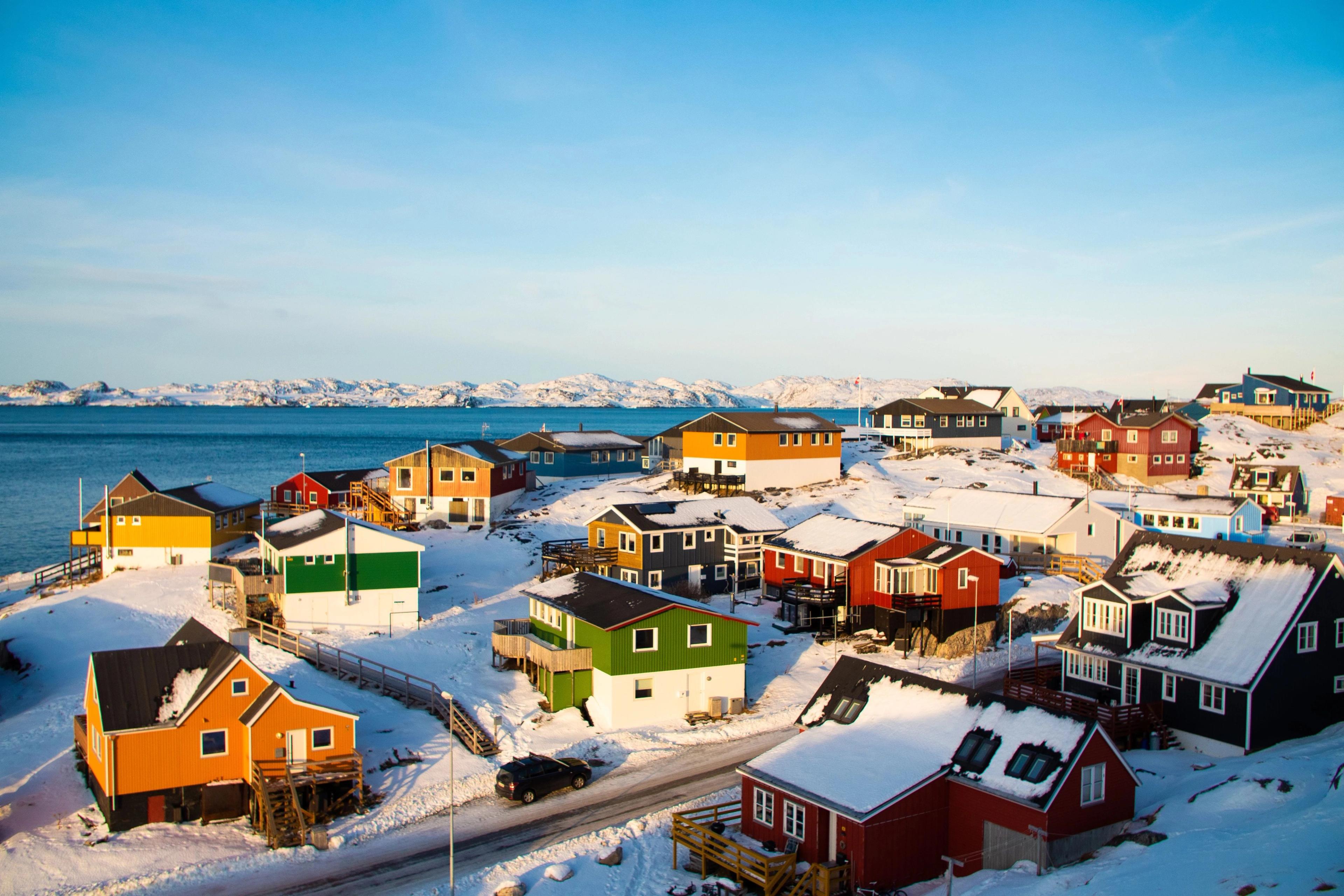
One of the great aspects of cruising in the Arctic — or anywhere — is a chance to immerse yourself in the local culture. Indigenous peoples have lived in the Arctic for thousands of years, numbering as many as 650,000 today.
Visiting the Arctic unveils the people of the Polar North and their fascinating history. Honor the rugged wilderness they call home and sample indigenous ingredients while learning of their culinary creations, traditional therapies to feed both body and soul, and Arctic artistry to both admire and acquire.
Locals celebrate the Arctic daycycles with parties, festivals, music, and even midnight golf tournaments. The focus of many festivals is the summer solstice, marking the longest day of the year on June 21. That said, experiencing the midnight sun in the town of Longyearbyen in Svalbard can be enjoyed for months, as the sun doesn’t set between mid-April and late-August.
Sail with Silversea into the unforgettable, untouched Arctic
An Arctic voyage offers the rare chance to connect with remote landscapes, remarkable wildlife, and the cultures shaped by life in the Polar North. Each day brings a new perspective — from time spent exploring ashore to quiet moments back on board.
Discover the Arctic through a journey that brings land, sea, and sky into focus, revealing a region that stays with you long after you’ve left it behind.