Visiting Port Lockroy, the Treasure of the Antarctic Peninsula
- Published on
- Author
- Reading time
- 3 mins
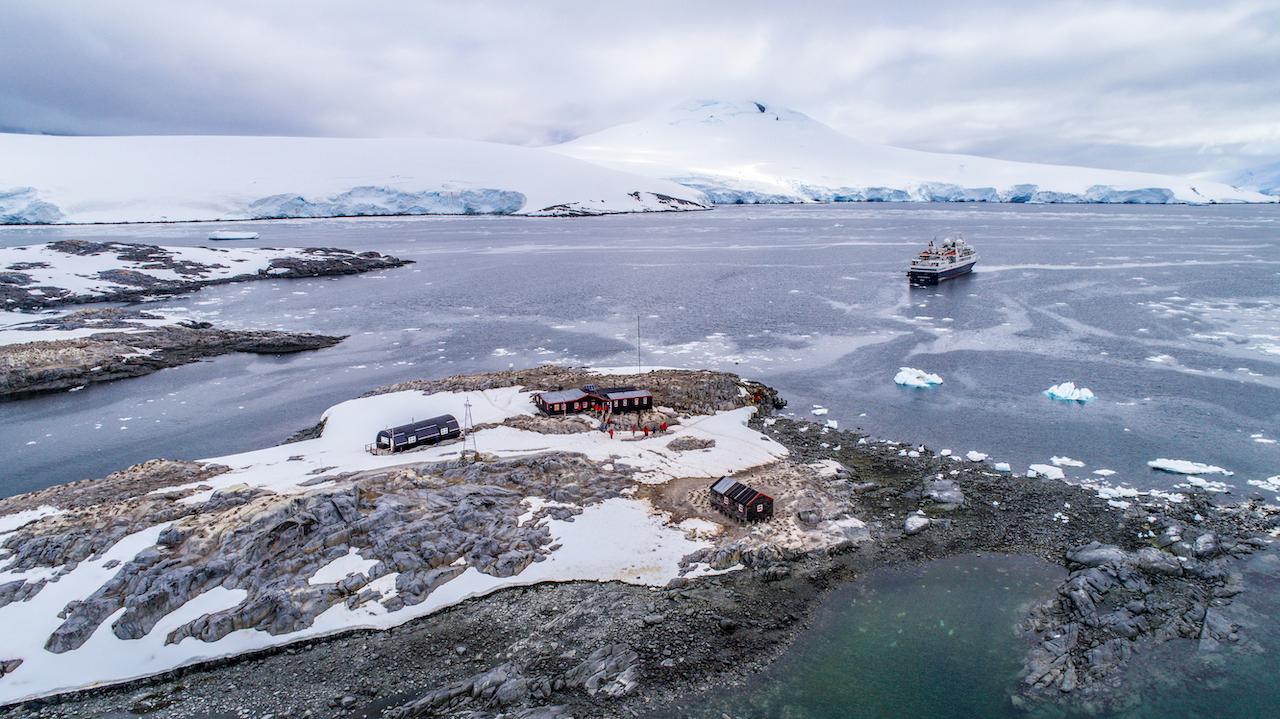
Antarctica brings to mind scenes of endless ink blue ocean and an ice sheet that spans as far as the eye can see. So the natural harbor of Port Lockroy, a former military base and research station, which is home to the world's most isolated post office, is an unexpected treasure to explore on the Antarctic Peninsula.
Expedition filmmaker Ross Vernon McDonald filmed the history-rich location during a Silversea voyage, his genuine awe for the place evident as a first-time visitor to the hostile environment that is Antarctica.
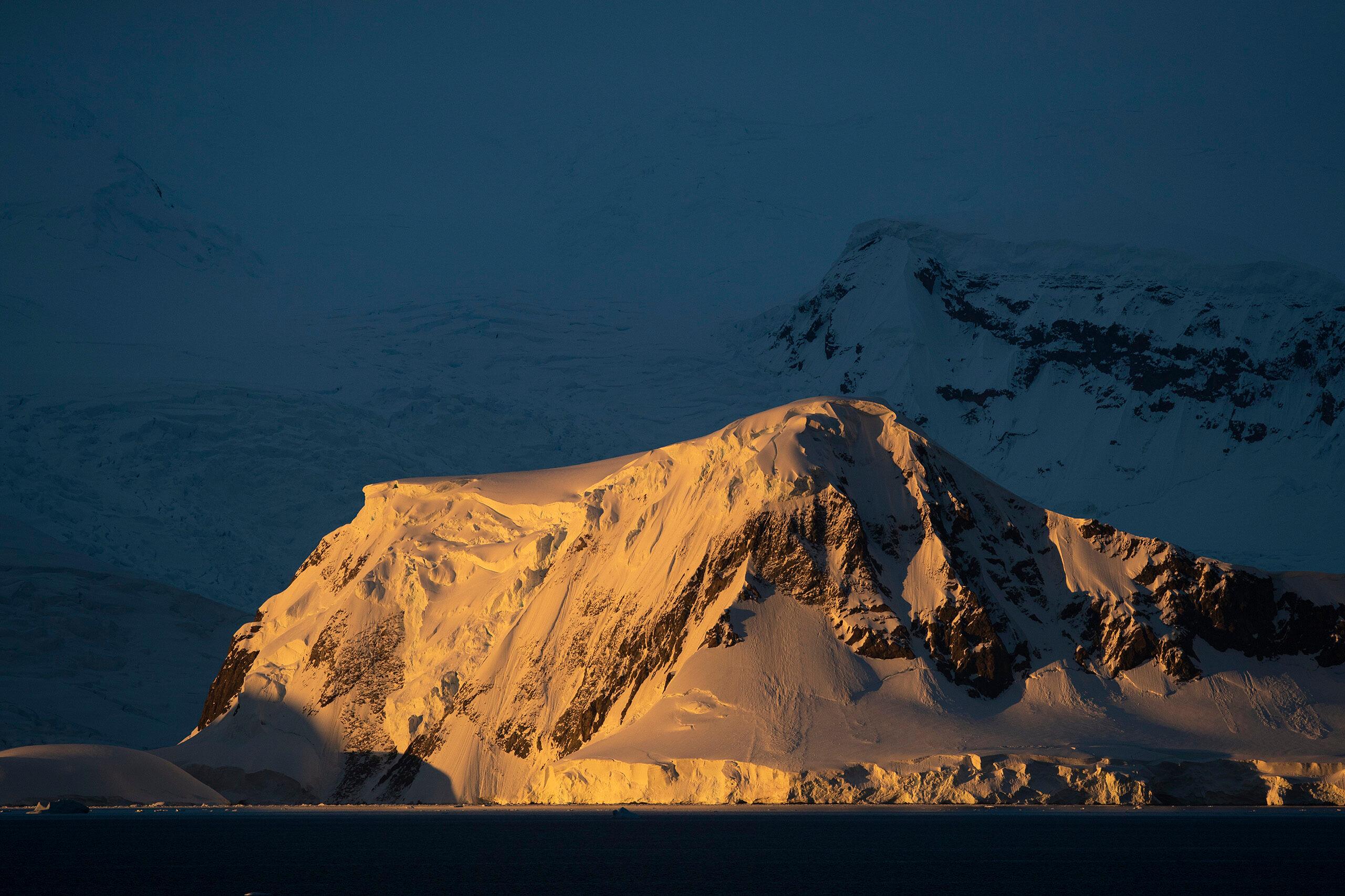
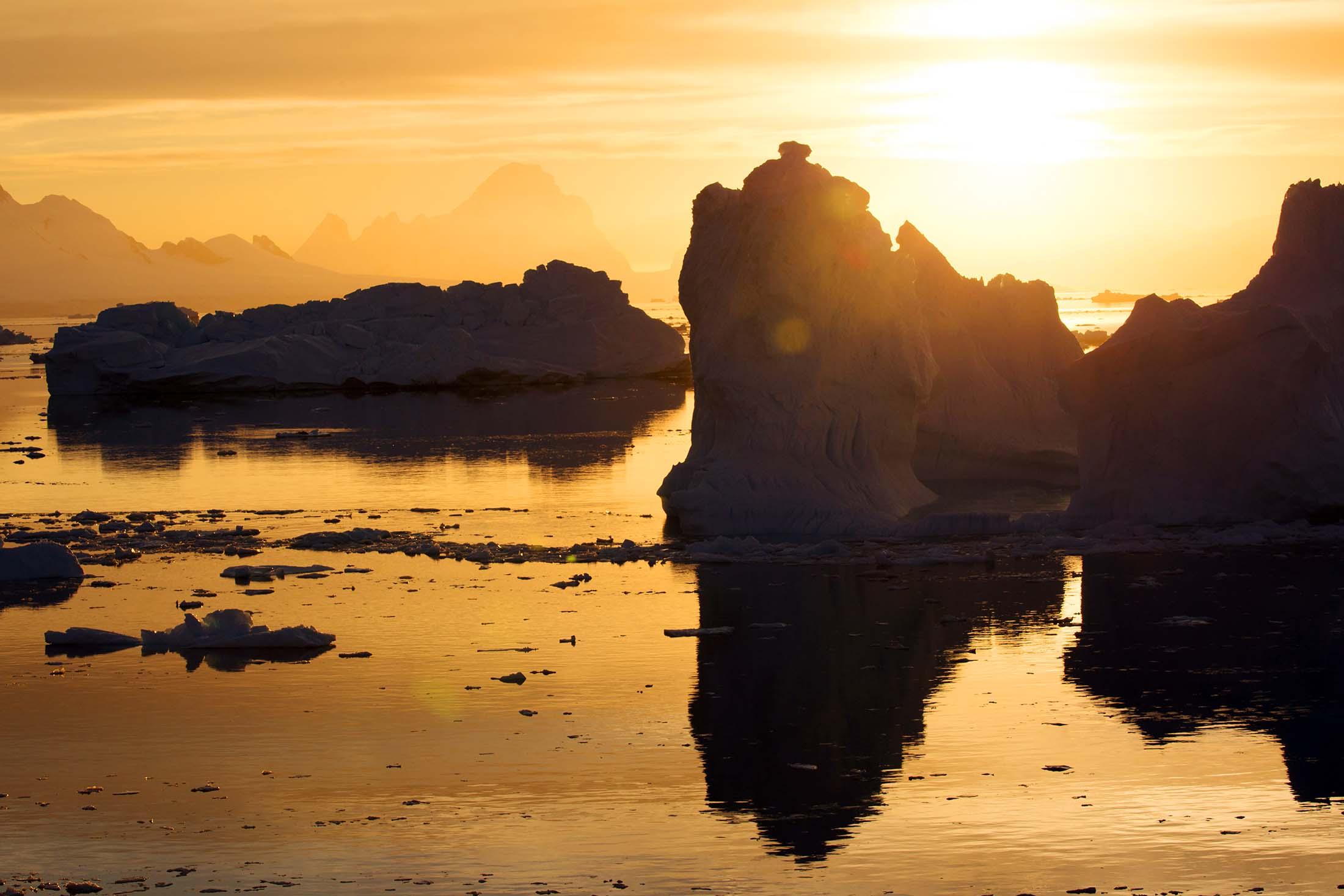
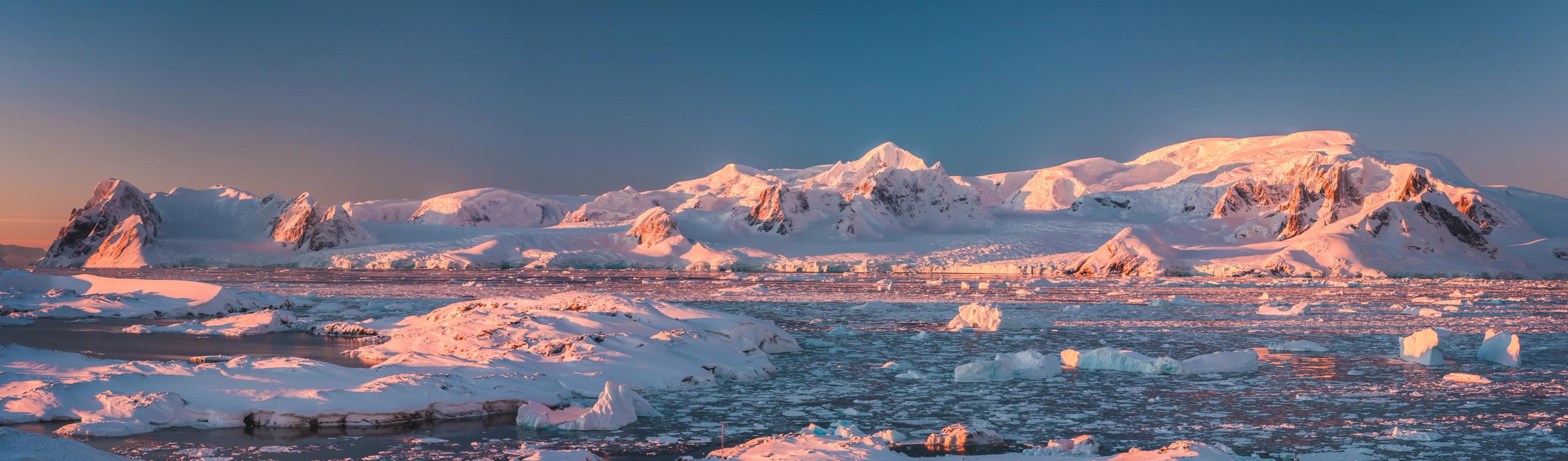
"It was unreal," says McDonald. "It's like another planet and not like anything else I've ever seen. It just feels absolutely colossal. Being on the Antarctic Peninsula and on this tiny section of the entire continent where there is basically nothing except snow and mountains was just otherworldly."
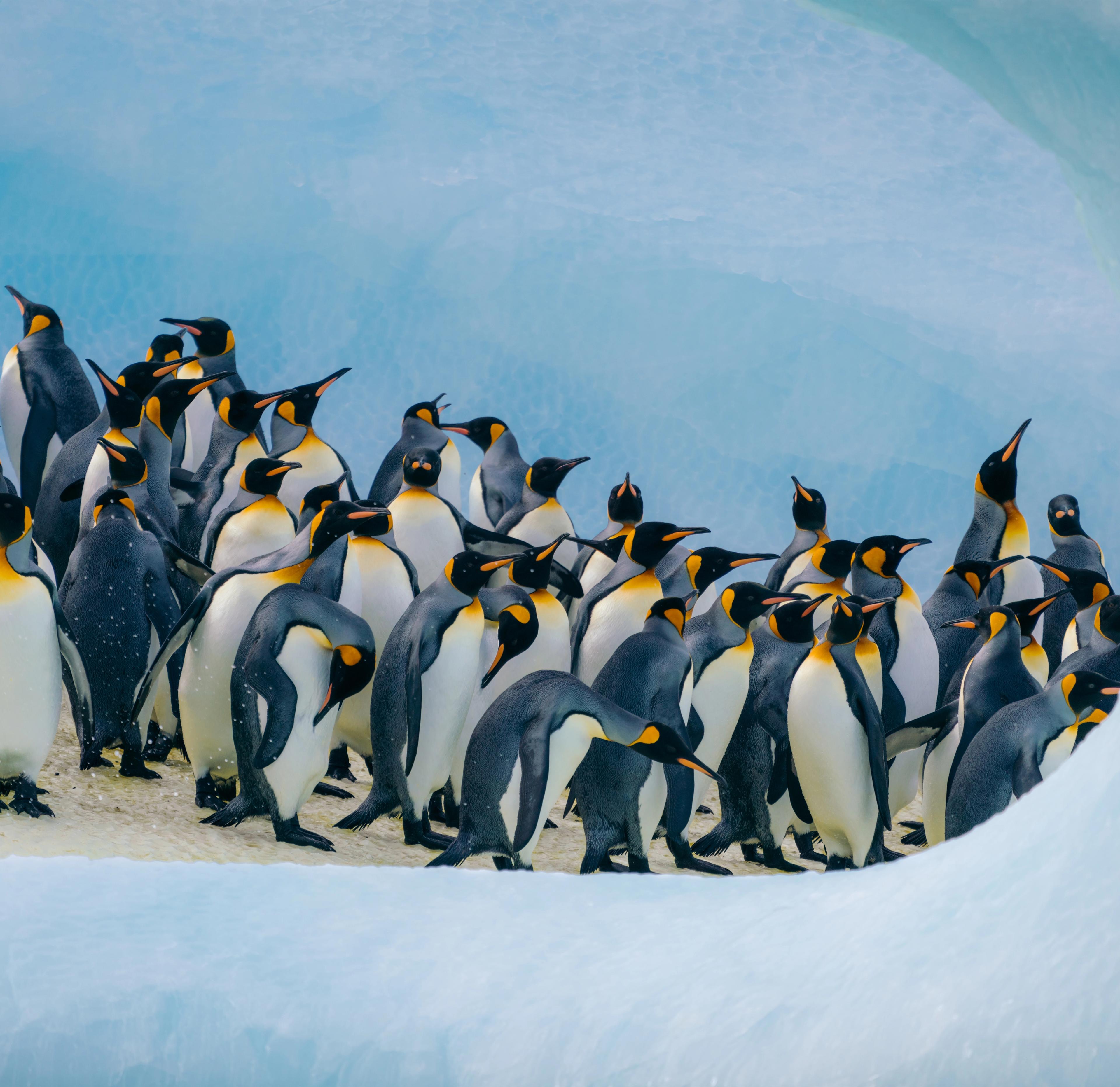
The closest thing on Earth to another planet
A trip to Antarctica is on every travel lover’s wish list. Join us as we explore the legendary white landscape of elemental forces that is home to so much wildlife.
A snapshot of history in the most remote location on Earth
What fascinated McDonald about this unique stop-off was the remnants of human exploration at Port Lockroy.
"It was really interesting to be in this place which has changed hands over the years from different industries. It still has old rusty remains of where they used to tie up whaling ships and also going forward to the wartime when it was a British research station. It's really beautiful how they've kept areas of it," McDonald says.
"It's got four or five different small buildings and two of them have been kept as they were. All the old technology has been preserved alongside their bunks and paintings that people did when they were out there on their own for months. It's so interesting to be able to see how they lived."
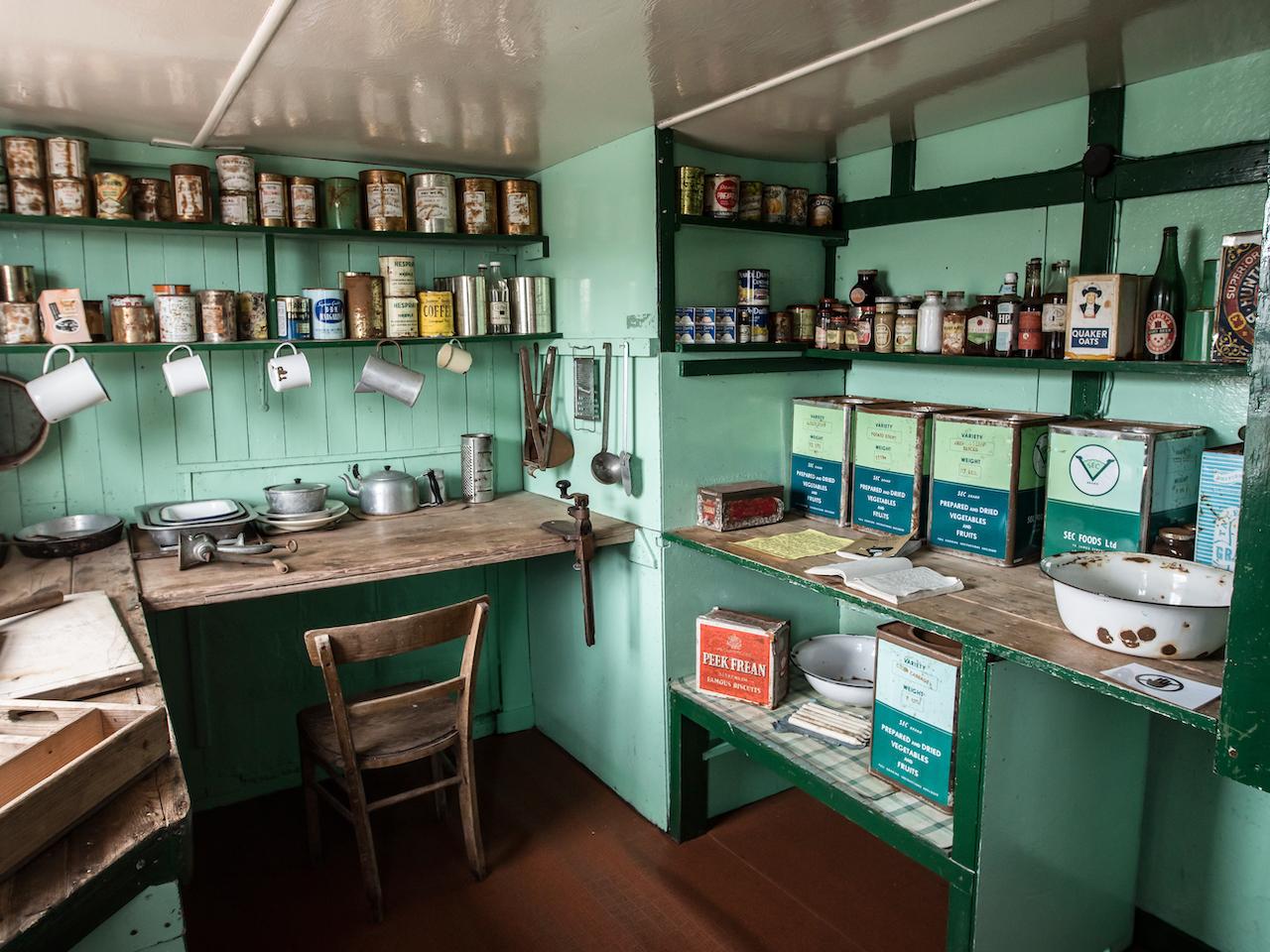
The buildings of Port Lockroy offer a glimpse into the way researchers lived in the harsh environment./Ross Vernon McDonald
Retracing the steps of pioneers in Port Lockroy
With his Panasonic Lumix DC-GH5 and a Ronin Gimbal — which helps to stabilize a camera to achieve smooth hand-held footage — McDonald retraced the steps of researchers offering a glimpse into the life of these pioneers.
"The Gimbal allowed me to get these shots where there is no camera shake, but the camera is moving through the building, the way it would if you were walking through it. It gives a nice first-person view of what it is like to be wandering through the same halls and rooms that they walked through. They must have felt so isolated back then, it was a whole different level," he adds.
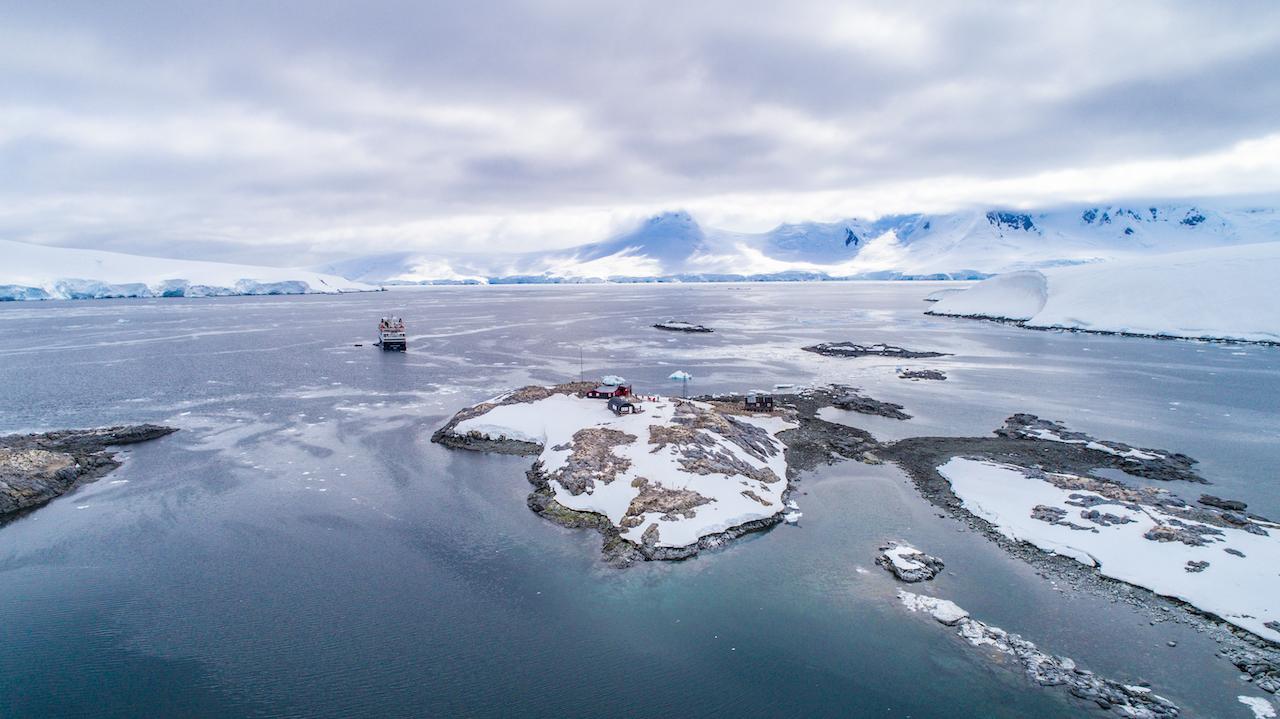
The natural harbor of Port Lockroy is home to a former military base and research station./Ross Vernon McDonald